About 10 years ago, I had the opportunity to attend a science writers’ workshop outside Boston. In one of the sessions, the speaker spoke on the risks of anecdotal evidence using the following example:
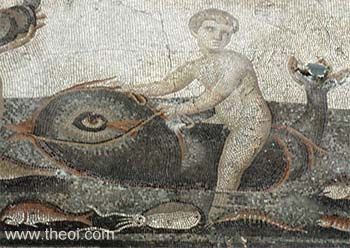
Dolphins are highly intelligent mammals, but also seem to have an inherent sense of humanity (for lack of a better word) as evidenced by the number of stories where dolphins have saved the lives of stranded sailors and fishermen by pushing them toward shore.
Unfortunately, there is a problem with this conclusion based on this evidence, which I will address later in this post.
In learning the craft of my arts—whether business/marketing, science writing or screenwriting—I have relied on various authors to teach me the benefits of specific approaches. And one of the most popular ways to describe these benefits is through the use of success stories.
My most recent read was The Element: How Finding Your Passion Changes Everything by Ken Robinson, a quite enjoyable book that ties nicely with my current thinking on my Art. (Nothing like rationalizing your own opinions with support from books you know to agree with you—but that’s another blog post.)
As Malcolm Gladwell so deftly does for business endeavours, Robinson weaves his discussion of the cross-over point between talent and passion with numerous success stories, most of which take the form of:
- Young person faces adversity when she goes against the norm
- Struggling to find her way, she is marginalized by the local community and authorities
- Through personal tenacity and/or the support and guidance of a mentor, she blossoms in her Art
- She is now worth bajillions of dollars and/or helps gazillions of people/animals
Who is Robinson talking about? Paul McCartney, Arianna Huffington, Richard Branson, and several others less famous.
These stories are inspiring and uplifting. Everybody enjoys an “against all odds” story.
Tell the same anecdote about a farm boy on Tatooine and you have Star Wars. An addled boxer in Philadelphia, you have Rocky. An addled boxer in New York, you have Raging Bull. Another addled boxer in New York, you have Cinderella Man. Anyways…
One thing that bothers me about these stories, however, is that they establish a linear relationship between individuality and success (which I can buy) at a success rate of approximately 100% (where it all falls down).
What about the individuals who followed a parallel process and didn’t become Paul McCartney, Richard Branson or Arianna Huffington? Who bucked the trend, stood up for themselves and were run over by society?
Failure is an option, friends. It shouldn’t be glossed over. You can theoretically do everything right and still not achieve the success you were looking for.
Again, I agree with the theses these (wow, that’s an odd juxtaposition) books describe—that following our individual strengths/talents/passions and relying on inner fortitude rather than simply conforming to society’s will is our best chance at happiness as individuals—but I balk at anything that smacks of guarantees or promotes unrealistic expectations of success.
Where is the balance? Where are the cautionary tales?
I don’t think any of the authors set out to perpetrate a scam. They’re not trying to pull the wool over anyone’s eyes or sell you snake oil. They’re truly trying to inspire people with feel-good stories, which is commendable. Their audiences, however, are typically so full of hope, so looking for a beacon, that they are apt to see these anecdotes through rouge-hued specs and so mistake proof-of-possibility for proof-of-concept.
It’s a case of reader be aspirational but realistic. Your efforts may not work the first time through, but that doesn’t mean you shouldn’t keep trying.
And the problem with the dolphin anecdote:
We will almost never hear about the times the dolphins pushed the stranded sea-farers further out to sea rather than to shore, because those people probably drowned. Thus, the anecdotal evidence is skewed in favour of success stories.
(Image is the property of its owner and is used here without permission.)

 createdbyrcw