Fading Gigolo faded too slowly (a review)

fading-gigolo-poster03

Writer. Director. Lead performer. Possibly the most critical functions in defining how well a movie will do, and often one individual will play more than one role with varying degrees of success. But when a single person plays all three, look out.

For some reason, the movie that results from the triple play rarely seems to work in my experience. And 2013’s Fading Gigolo falls right into that category. (Citizen Kane is one of the few successes I can think of.)

The triple play of Hollywood stalwart John Turturro, Fading Gigolo tells the story of two friends, second-hand bookstore owner Murray (Woody Allen) and florist Fioravante (Turturro), who are both going through some financially tight times. So when Murray’s dermatologist (Sharon Stone) suggests she and her girlfriend (Sofia Vergara) are considering a ménage á trois, Murray immediately thinks about his good looking buddy and suddenly it is American Gigolo for the middle-aged.

Boobs and bums but no climax (Stone, Vergara)

Boobs and bums but no climax (Stone, Vergara)

Oh, and all of this happens in the first two minutes of the movie.

One after another, Murray lines up customers for Fioravante, whose kicked-puppy facial expressions and old-world charm sweep the women off their feet and money out of their wallet. To his credit, Fioravante feels some guilt over taking advantage of the lonely women, but he gets past that with the help of Murray’s nebbish logic.

Life becomes more complicated, however, when he meets the widowed Hassidic Jew Avigal (Vanessa Paradis) and in helping her come out of her shell, finds himself developing feelings for the woman.

Fioravante helps draw Avigal out of herself (Turturro, Paradis)

Fioravante helps draw Avigal out of herself (Turturro, Paradis)

When I first saw the trailer for this movie, I thought it would be a beautifully sweet film about human relationships with the comedic backdrop of Woody Allen as a pimp. And to be sure, there are moments of beauty in the film. But only moments.

Unfortunately, there are no moments of conflict in the film. Nothing against which the characters can really push and grow, with the exception of Avigal, and so the movie feels like the emptiest of emotional calories. You feel good while it is in front of you, but the minute a scene is over, you don’t remember a single moment of it.

Woody Allen still has it, although somewhat sparingly, and there were moments in the story reminiscent of his characters in Bananas or Sleeper, but in some respects, he has just become an older caricature of those characters. Sharon Stone has one or two moments where you can see some vulnerability in her character, but those dissolve pretty quickly. And Sofia Vergara is simply boobs with an accent, as with every role I have ever seen her perform.
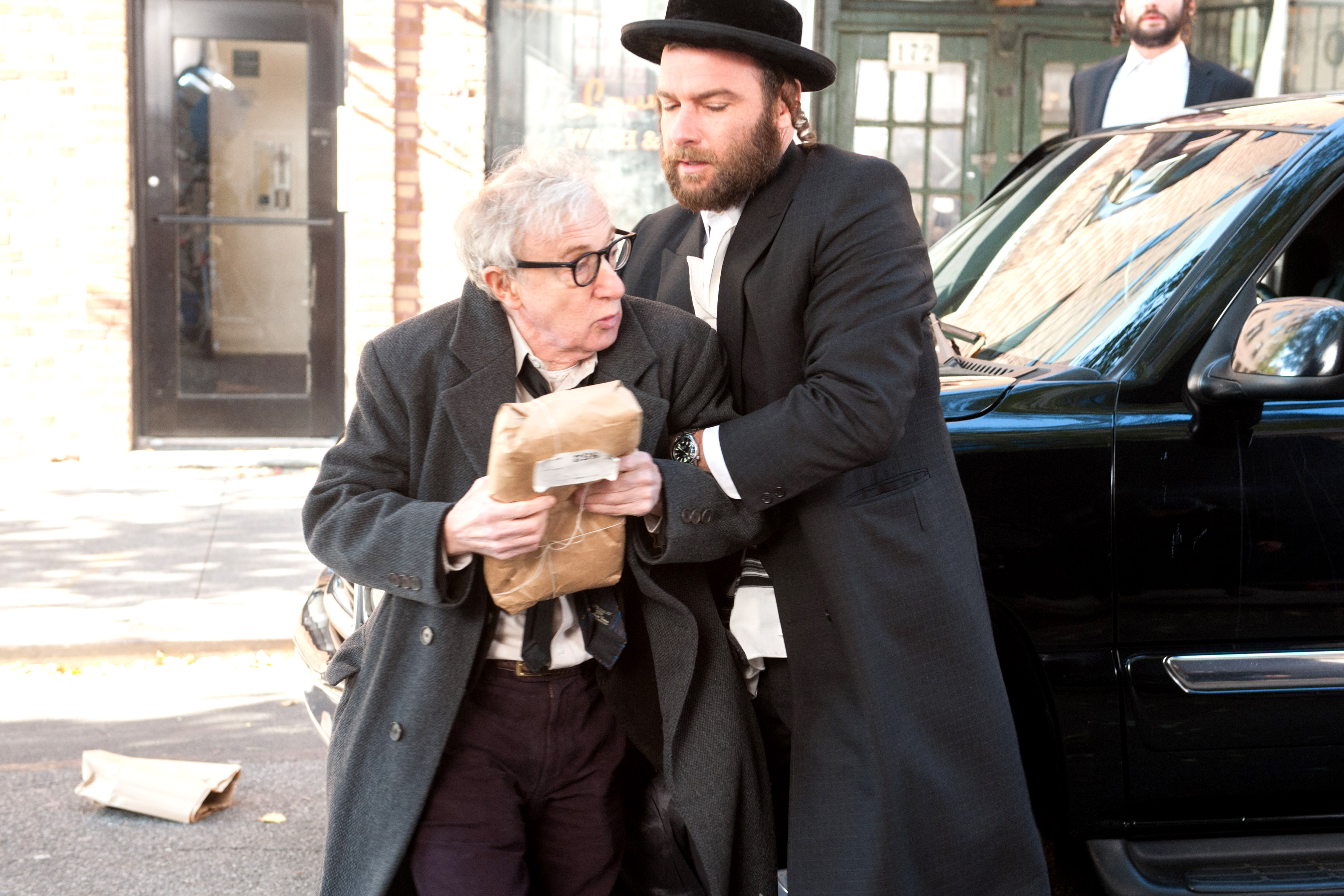
A little Hassidic slapstick (Allen, Liev Schrieber)

A little Hassidic slapstick (Allen, Liev Schrieber)

As mentioned earlier, Vanessa Paradis’ Avigal is the only character with an arc in this story, the only character who is transformed, and the actress does a pretty good job with a relatively straightforward character. Unfortunately, against a backdrop of nothing characters, I can’t tell if she did a good job or just a less bad job.

But again, all of my irritation is focused on Turturro and his failings. Fioravante is a sweet man but has all the internal conflict of Michael Landon’s angel character Highway to Heaven, i.e., too good to be true.

As a writer, Turturro missed every opportunity to enrich a flat screenplay. In the writing vernacular, there was no inciting incident (the reason to become a prostitute is weak), no turning points, no crisis and no climax except in the sexual sense.

And because the writer Turturro seemed satisfied with the screenplay, the director Turturro had nothing to offer to improve a moribund story comprised of high-fructose corn syrup.

So much talent. Such a beautiful concept. Such potential for humour and pathos.

Such a let down.

Movie should have worked just on this line alone

Movie should have worked just on this line alone

Does satire lead to social change?

chaplin dictator

I love good satire. I am a massive fan of Monty Python’s Flying Circus, The Daily Show, The Colbert Report and early seasons of This Hour Has 22 Minutes. I’ve always thought that satire was a wonderful way to point out the foibles of some aspect of society and thereby elicit change in that behaviour or belief.

The Merriam-Webster Concise Encyclopedia defines satire as:

“Artistic form in which human or individual vices, folly, abuses, or shortcomings are held up to censure by means of ridicule, derision, burlesque, irony, or other methods, sometimes with an intent to bring about improvement.”

But a recent video posted by a friend on Facebook has caused me to question the idea that satire can lead to real change. The video was a short piece performed by recently deceased Mike Nichols and Elaine May that mockingly celebrated the mediocrity of television.

The piece was performed in 1959…55 years ago…and yet I wonder if the piece isn’t more salient now in the multichannel, multivehicle universe.

Listen to the audience. They’re eating it up. They know it’s true and yet so few of them likely did anything to reduce the mediocrity of television.

Has The Colbert Report done anything to cut into the viewing audience of Bill O’Reilly? Or The Daily Show seriously impacted the rhetoric spewing out of Fox News?

After the first couple seasons of ambushing politicians on Parliament Hill with their satirical antics and challenges, 22 Minutes suffered through a period where politicians practically ambushed the performers. To be seen to be able to take a joke was good for political business, thus neutering the whole point of the satire.

In contrast, there was a recent piece on John Oliver’s Last Week Tonight about the Miss America scholarship program that showed the pageant was exaggerating in its claim to be the largest provider of scholarships to women. When it turned out that despite the bogus claim, Miss America still did provide scholarships to more women than several other pro-women organizations, those organizations stepped up their game. But such tit-for-tat examples are rare.

So, the question becomes, is satire anything more than entertainment for a group of common-thinking people who feel otherwise powerless? Has it ever been anything more than that?

I’m going to spend some time looking for examples where satire can be linked to social change, and I welcome input from anyone. So, please throw in your thoughts and come on back to see where I’ve landed.

And, even if I decide it really is simply a form of entertainment, I will likely continue to enjoy it as I would any other art form for which I have a fondness.

But I’ll be interested to see what I come up with.

war room

Agenda journalism – Wendy Mesley v Jon Stewart

One of these people is a "serious journalist" (Wendy Mesley; Jon Stewart)

One of these people is a “serious journalist” (Wendy Mesley; Jon Stewart)

As I practice the art of writing (e.g., novels, screenplays), I pay my bills by writing for the pharmaceutical trade publication DDNews. I consider myself more of an essayist and commentator more than a journalist, mainly because I have too much respect for journalists and the tightrope they walk balancing the need to produce a story and discover a story.

With that respect, however, comes a certain level of expectation, and in too many high-profile cases, those expectations are not being met.

The most recent case for me (and the prompt for this post) was an interview between CBC journalist and anchor Wendy Mesley and film director and host of The Daily Show Jon Stewart, who appeared on CBC’s The National on November 14.

CBC The National interview with Jon Stewart (Nov 14) (video)

The interview used as evidence Bahari worked with spies

The interview used as evidence Bahari worked with spies (Jason Jones, Maziar Bahari)

Ostensibly, the interview was meant to discuss Stewart’s new movie Rosewater  (trailer at bottom) and the events that led to the incarceration of journalist Maziar Bahari in Iran, the interrogation of whom involved video of Bahari’s discussions with a The Daily Show correspondent Jason Jones.

Ironically, the interview became an attempted interrogation of Stewart on his culpability in Bahari’s incarceration and torture, and the broader question of satire feeding the flames of fanaticism.

To his credit, while dismissing the questions as ridiculous, Stewart responded to them with logic and tried to look at the bigger picture. Mesley, however, could not be shaken from her belief that there must be guilt and culpability.

This is where I take issue.

Although I believe it is important for a journalist to know what she wants to talk about when interviewing someone, I also believe it is beholden on the journalist to let the conversation happen and see where it goes.

When I interview someone for one of my news articles, I start with a list of questions based on my research of the topic and the person/organization being interviewed. Going in, I have an agenda.

But when the interview starts, most of those questions fall by the wayside and are replaced by bigger, more important discussions that I didn’t foresee. In short, I listen to what the interviewee has to tell me and then adjust the conversation.

I completely understand that if someone is being evasive on a topic, a journalist may want to harder press a specific topic or series of questions, but in the Stewart interview, there was no evasion. He simply did not give the answers Mesley wanted, and she refused to accept them, as she is wont on many pieces throughout her years with the CBC.

Delightfully, toward the end of their conversation, Stewart called her on this, accusing her of not believing anything he said. She clearly did not do her homework on him, because she was uncomfortable with his challenge.

Sadly, this meant that the interview became about the interview and not the subjects that might have been vastly more interesting and were decidedly more important: political fanaticism, satire as a weapon, the erosion of journalism (ironically), human endurance.

An opportunity for insightful exchange was largely missed (Stewart did his best to talk about these things).

For anyone who thinks you might be interviewed at some point in your lifetime, study Stewart’s approach to this interview and any other.

For anyone who thinks you might become a journalist, study Mesley’s approach to this interview and pull a Costanza…do the opposite.

There are too many important issues to be discussed in the news to have the conversation high-jacked by a faulty agenda.

In the meantime, if Mesley wants to be an editorialist or commentator, do so. The CBC has several (e.g., Rex Murphy).


PS Some might argue that because I work for a trade publication, my questions are apt to be softball as the publication’s agenda is to suck up to the industry. One: I call bullshit. And two: read my stuff.

Happier times well after the events of Rosewater

Happier times well after the events of Rosewater (Jason Jones, Maziar Bahari)

See also:

Food that (actively) disagrees with me

The Clucking Dead

The Clucking Dead

Centuries ago, a Chinese friend of mine invited me to a family dinner where, among the many delicious items, he served chickens’ feet (I guess if he’ll serve me, he’ll serve anybody).

For the uninitiated, chickens’ feet is not a delightful nickname for some exotic construction of bamboo shoots and gelatin powder (ironically, horse’s feet), but rather the feet of chickens.

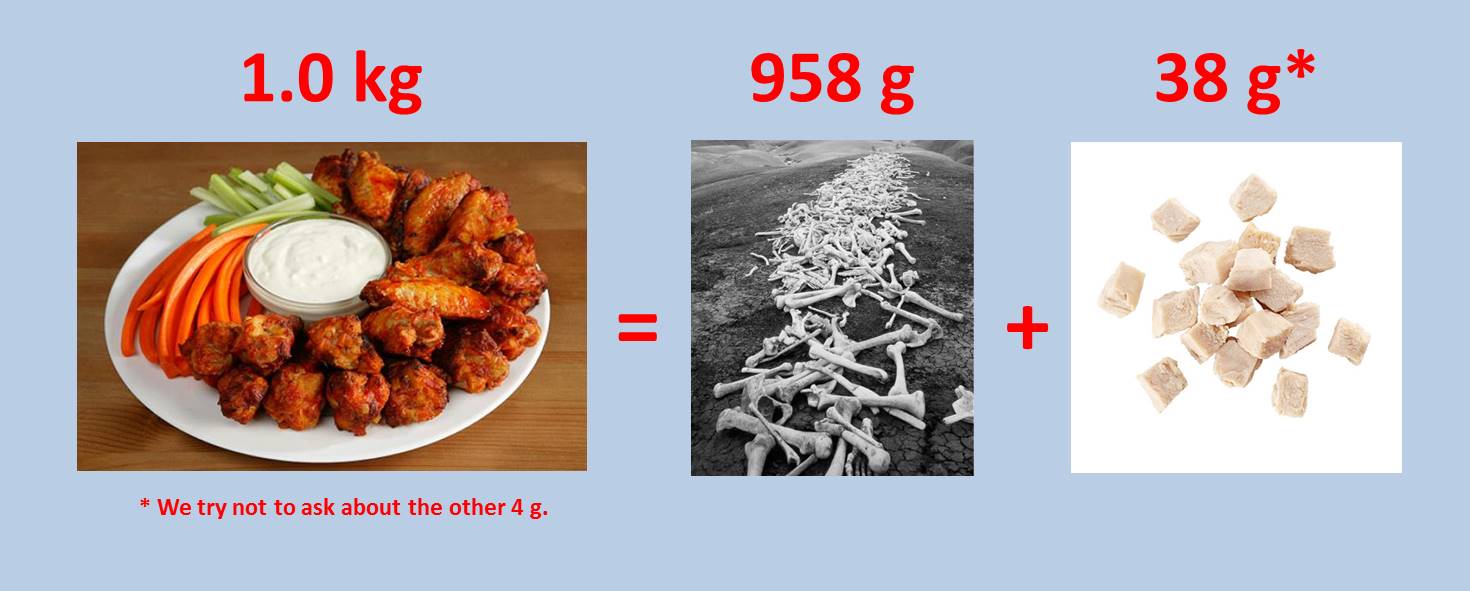
Now, I already have problems eating chicken wings…so much work for so little meat. Well, chickens’ feet are all the agony of a chicken wing sans the meat. So, I already was unimpressed.

Just doesn't add up to food

Just doesn’t add up to food

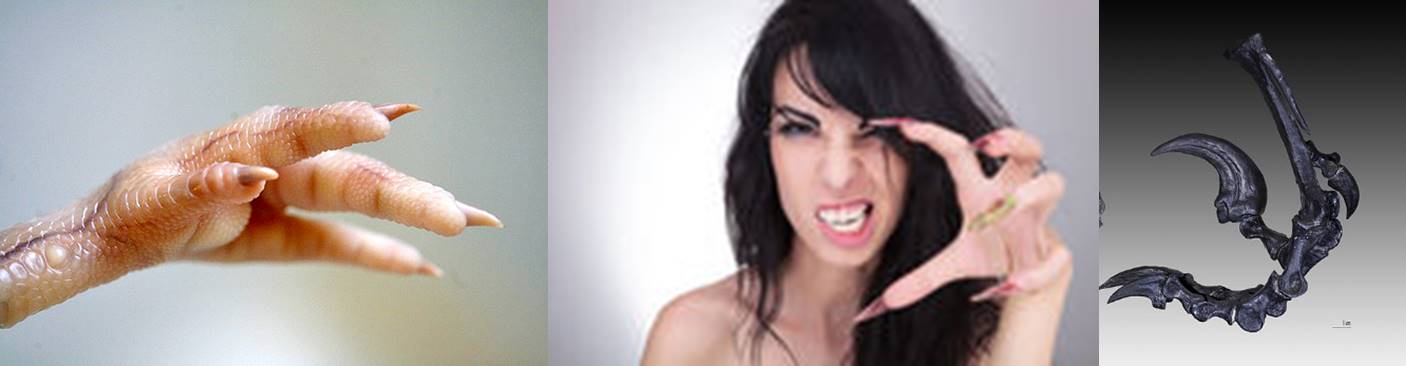
Making matters worse, however, was the chickens were just as disinclined to be eaten as I was to eat them, for as I looked down upon the bowl, I was presented with a dozen or so clawed fists, talons extended to scratch my eyes out or anything else that approached the bowl.

And when I say talons, I’m not talking the beautifully manicured hands of a lovely woman (which can inflict plenty of damage). No, I’m talking the rapier claws tested on the set of Jurassic Park that caused Spielberg to blanch and say from under his director’s chair: ”Nah, too scary for the kids.”

Physical or emotional, scars are scars

Physical or emotional, scars are scars

Despite watching my friends take great pleasure in popping the chickens’ feet into their mouths and spitting out an archaeologist’s Erector Set (can only imagine what they’d do with a fully assembled book shelf from Ikea), I made a vow that day.

I will never eat a food that is still actively defending itself! (So keep fighting the good fight, calamari and octopus.)

NOTE: This post was prompted by a post from Ned Hickson and his recent run in with rampantly randy turkeys (no relation).

Gotta laugh (seriously, I mean that)

I am so amused by your humours

I am so amused by your humours

I’m my own worst enemy when it comes to stand-up comedy. Not in the performance of it, you understand—been there, done that, bear the scars—but rather in simply being an audience member.

For the uninitiated, stand-up is best described as stripping naked, slathering your body in hot sauce and dragging small razor blades across your skin while being judged by a room full of your parents. And your only salve is laughter.

Which is where my problem starts.

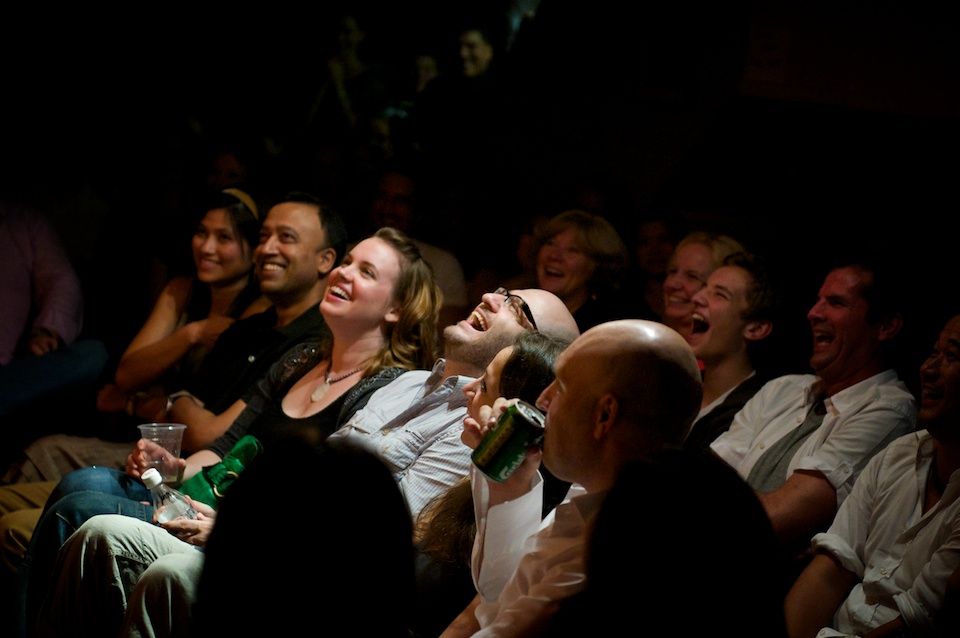
LOL Classic

LOL Classic

Hi. My name is Randy, and I don’t laugh at stand-up comedians. Okay, perhaps rarely laugh is more accurate.

It’s not that I can’t laugh. Get me together with the right group of friends, and I become a giggling gibbon. Hit me with the right joke or observation at the right time, and you’ll turn me into a hyperventilating tear factory. But for the most part, I only LOL when texting.

If I get where you’re going, I will nod. If I like what you said, I’ll smile. If I really like it, the smile will show teeth. But the laugh is elusive.

At a stand-up comedy show several years ago, a colleague accused me of being a comedy snob, suggesting that I refused to laugh to make myself look cool. Ironically, this made me laugh.

If my name were ever to appear in Roget’s Thesaurus, I can promise you that “cool” would only ever appear as an antonym. (Case in point, I just referenced Roget’s Thesaurus.)

So I knew I was in trouble a couple of weeks ago when the host of The Comedy Store in Los Angeles decided to sit me dead centre in front row, literally at the shins of the comedians.

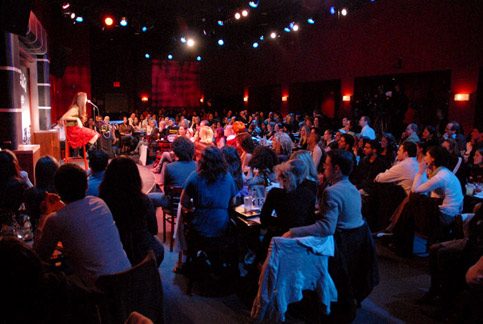
The Comedy Store

The Comedy Store

I sat there. A long-torsoed beacon of attention. I was the Lighthouse of Alexandria (yet another cool reference) to those rolling on the oft-stormy seas of stand-up.

Comedian #1 takes the stage. She’s quickly warming the audience and then, “So, where you from?”. Toronto, says I. Cue the Canada jokes.

No problem. I come from a funny country with a funny reputation. Ask me a question, I’ll answer it best I can. I am more than happy to participate to help the comedian.

[Side note: I do not heckle, anyone. Comedy is hard enough without the drunken asshole. Likewise, I do not interject into someone’s set. The audience is there to enjoy the comedian’s wit, not mine.]

When engaged by the comedian, I will play along and maintain the game. I will not (or at least try not to) be funnier than the comedian.

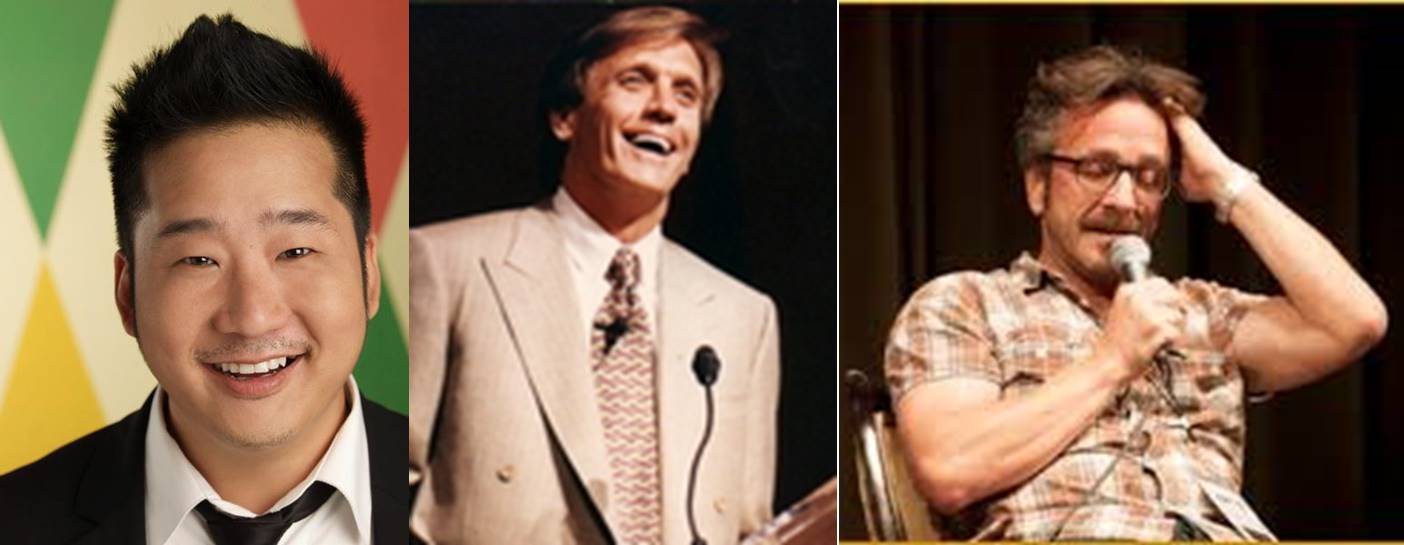
Only one of the three A-list comedians (Argus Hamilton, Bobby Lee, Marc Maron) paid me more than passing attention, each one more than capable of holding their sets to their own material, addressing the audience with little more than a passing “You know what I mean?” or “How many of you…”

Bobby Lee, Angus Hamilton, Marc Maron

Bobby Lee, Angus Hamilton, Marc Maron

They talked to the whole audience, not just those of us they could see.

Then came the B-listers.

Like any artist, comedians at this stage are less able to roll with failing bits. And even when a bit is working, the big guy in the front row who refuses to laugh becomes the focus of attention.

After the third B-lister, I started to feel sorry for the audience, who quickly learned everything about me and Canada, the information oft repeated as no two comedians paid much attention to anything that happened five minutes before they hit the stage.

Over the five hours I watched the show—I arrived at 8:30 and didn’t leave until 2:00—I swear I was being spoken to or about or was on the microphone for one hour. I literally had more air time than all but one comedian. (Part of my air time included a rousing rendition of Oh, Canada and a duet of Tie a Yellow Ribbon.)

In five hours, I was told that I had an abnormally long torso (I do), I dress like Steve Irwin (I was), I work in maintenance or engineering (I don’t), I have beautiful hair (it is nice), and was asked twice to mimic cunnilingus (I respectfully refused). [Side note: Don Barris is a very very very strange man.]

Don Barris (his cunnilingus face)

Don Barris (his cunnilingus face)

And all, I am confident, because I refused to be the giggling gibbon.

I wasn’t defiant (except for the cunnilingus part). I never crossed my arms. I tried to be positive and supportive in my eye contact (perhaps that was mistaken as a challenge). And yet, I received a pretty good workout.

So, I think my choices are: laugh despite my personal opinions or ask to be seated in the shadowiest corner of the bar.

Either way, it will be a while before I attend another stand-up comedy show.

Sitting in back of the bar

Sitting in back of the bar

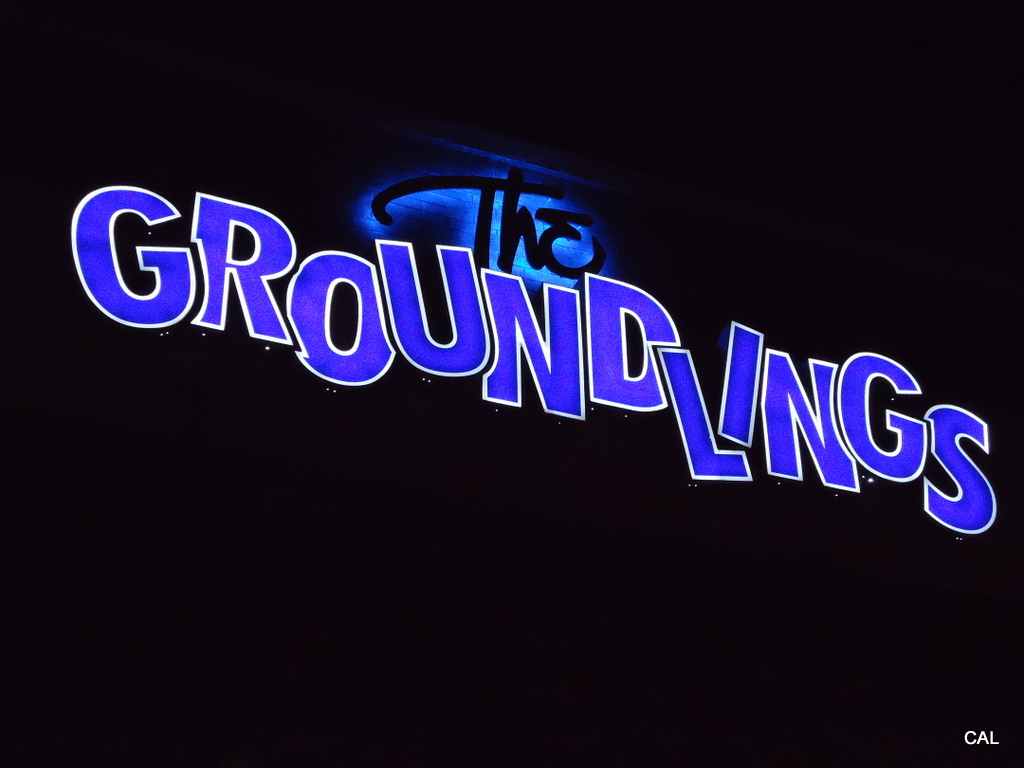
On shaky Groundlings (a review)

94629-swg

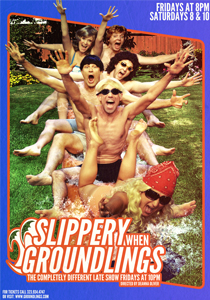
Just got back from seeing a preview of The Groundlings latest improv show entitled Slippery When Groundlings and really have only one response: Watch for the names Jill Sachoff-Matson and Alex Staggs. I don’t know when these two artists will hit it big, but I guarantee you they will.

Unlike the standard Second City shows I am used to watching, this one didn’t seem to have much of a theme beyond irritating people…but then, all sketch and improv comedy seems to be reduced to irritating people. And given the reputation of The Groundlings, I was surprised at how many sketches seemed to be one joke spread over 3 or 4 minutes. I expect that from student shows, but I expect more from main stage casts.

The first third of the show was evenly bad with the exception of a piece called “Carl’s Jr.”, where Sachoff-Matson first caught my attention as a dweeby woman who has been run down and then backed over by life.

Jill Sachoff-Matson

Jill Sachoff-Matson

The second third picked up somewhat, starting with “Church Camping Trip”, but a solid premise was completely let down by a lack of where to go with it. It’s a good sketch, it just needs more brainstorming. This was followed by Sachoff-Matson’s “Kindergarten”, which actually caused me to laugh out loud. Sachoff-Matson is mesmerizing both physically and in how her mind works, particularly as she portrayed yet another train-wreck character.

But just when I thought I had seen the best part of the show, Alex Staggs shows up with “Giving Up”, a lounge act in which he gets the audience involved with hilarious results. I would be willing to see where Staggs goes with this every night because he exudes comedic range with this.

Alex Staggs

Alex Staggs

Following the short intermission, Ariane Price gave us her send up of sad-sack informercials with “Emulsion”, another audience participation bit that was incredibly tight because of the character Price portrayed. You felt so sorry for her Eastern European refugee glam-girl wannabe that your heart melted and you wanted to give her a hug.

Ariane Price

Ariane Price

The problem was, the crew then wasted all that good will with “Sub”, a throwaway bit about an aged substitute teacher who has trouble reading fine print on an attendance sheet. That’s it. That’s the bit.

But the show was rescued by the big musical dance finale “Brittany” where again Sachoff-Matson showed what she can do with a woman completely at odds with her world and her own body.

If I have one complaint about Sachoff-Matson’s overall performance, it is that her three best pieces all largely portrayed the same character. But where this would normally kill it for me, she managed to do so in such unique ways that it wasn’t the mortal sin it might have been.

I don’t know what other sketches they have in the hopper, but there is a definite need to replace several from tonight before this show will be solid from front to back. And while good, the other cast members are going to be challenged to shine as brightly as Sachoff-Matson and Staggs.

groundlings

No parity in parody

Parody

Mel Brooks is a god! Carl Reiner is a god! Carol Burnett is a god! Mike Myers is a really funny Toronto boy, who flew pretty close to the sun. (He may yet be a god, but he has to get back on his feet.)

And among their many talents, these people share the amazingly delicate talent of creating parody…a talent I have yet to seriously attempt beyond the scale of sketch comedy.

Delicate talent? Seriously attempt? Isn’t parody just a matter of picking a genre and inserting dirty jokes and/or completely ham-fisting its various tropes in the mathematical assumption:

Absurd + Puns + Dirty = Funny

I increasingly understand why people think this as I watch more of the recent fare of parodic films that appear to have taken this equation to heart.

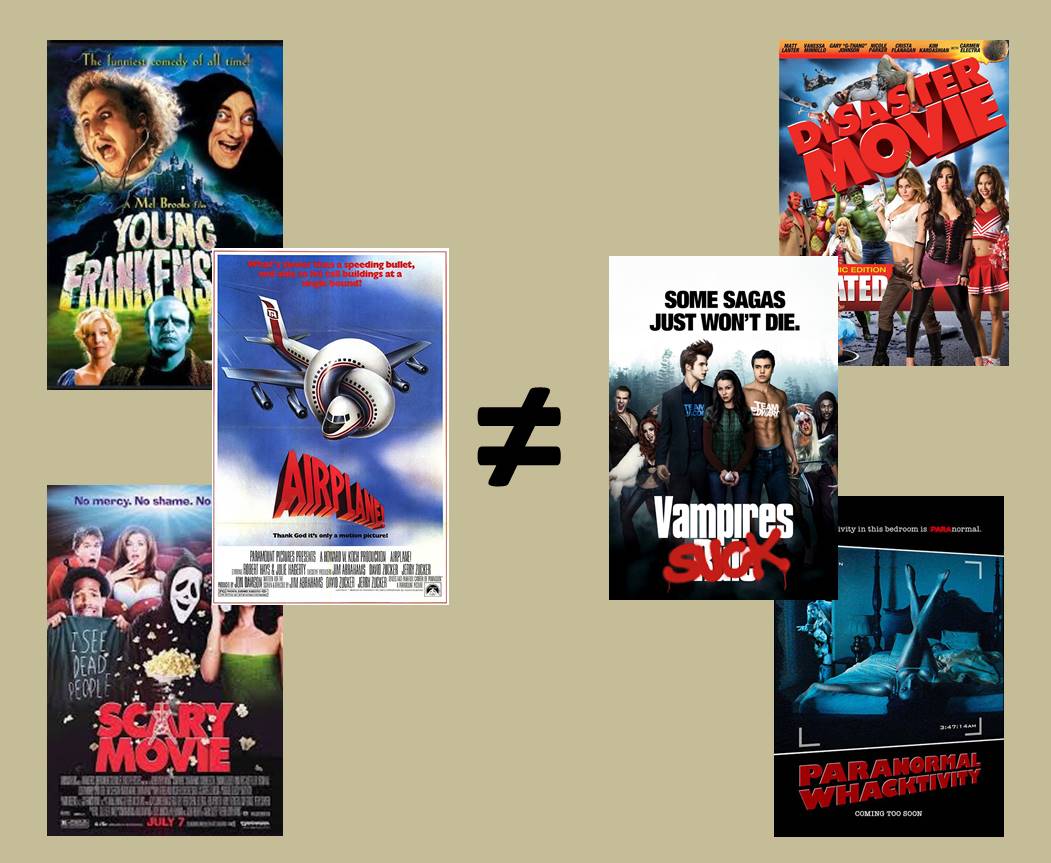
Last night, for example, I watched Paranormal Whacktivity, a sexed up romp through the found-footage haunted-home segment that includes films such as Paranormal Activity and Blair Witch. This film was horrific, but not in a good way…nor was it particularly funny or sexy. And it wasn’t very good as a parody because it didn’t even stick to its genre, mixing Paranormal Activity with Ghostbusters, which both involve spirits but are hardly cinematic siblings.

It was useful, however, to my understanding of parody.

When I compare Blazing Saddles, Airplane, Dead Men Don’t Wear Plaid, and Austin Powers: International Man of Mystery to Disaster Movie, Not Another Teen Movie, and Breaking Wind, I realize that the truly classic parodies have something that the new ones don’t: a strong central story.

Somewhere in the evolution of parody films, the movies became less about story and more about ripping off as many genre clichés as possible, offering no firmer links between these scenes than bad jokes, fart noises or perky breasts.

Blazing Saddles wasn’t about taking a bunch of classic scenes from Westerns and simply linking them. It was more about taking iconic characters from the Westerns and creating a classic, if twisted, story. The sheriff abandoned by the town folk, the washed up gunslinger, the evil cattle rustler, the crooked politician.

Similarly with Shrek; although this film has such a strong central story that I’m not sure whether I should even include it in a list of parodies. Yes, it played up almost every fairy tale gimmick, but the story really didn’t model itself on any given style or pre-existing story.

Dead Men Don’t Wear Plaid is another odd case. With a strong through story led by Steve Martin and Rachel Ward (directed by Carl Reiner), it takes parody to a whole new level by incorporating actual scenes from noir films within the scenes with live actors. Thus, Martin’s character may find himself playing across from Barbara Stanwyck or Edward G. Robinson. Now, that is great film writing and editing.

Interestingly, the Wayans’ brothers first entry into this genre—Scary Movie—offers another lesson about parodies: the challenge of dipping into the same well too often.

Although horror/slasher movies are not to my personal tastes, I thought the first one or two films of this series were particularly well done. But as the series continued, picking on more films from within the horror/slasher genre, it started to become a parody of itself. The jokes were no longer fresh. All the best tropes had been used up in the first two movies and so the later films just seemed to be running in place.

Six Star Wars films, one Spaceballs. That works. (NOTE: Spaceballs is one of my least favourite Mel Brooks movies, much to the chagrin of many friends.)

Even the much stronger series of Austin Powers and Police Squad films showed this sense of comedic fatigue.

The original film is a surprise. The first sequel may be enjoyable. Anything after that is milking a dead cow.

I have no doubt that bad parodies will continue to be made…if nothing else, they seem to require little writing and typically have poor production values, and are therefore inexpensive.

My hope, however, is that another Mel Brooks, Keenan Ivory Wayans or Mike Myers comes along to raise us from these creative and comedic doldrums. (NOTE: At present, my money is on Keegan-Michael Key and Jordan Peele, who have the comedic talent and the Hollywood clout to do it right.)


A few personal favourites (hyperlinked to trailer or favourite scene, where available):

Dead Men Don’t Wear Plaid

Airplane

The Cheap Detective

Austin Powers: International Man of Mystery

Hot Shots (not so much the sequel)

Rustler’s Rhapsody

Shrek

Scary Movie

Blazing Saddles

Silent Movie (I may be only person who likes this one)

Young Frankenstein (all time favourite)


The Beasts of the Nature

plagues

Nature doesn’t like me. I don’t know why. It just doesn’t.

I try to be respectful. I not only recycle, but I also reduce…or, at least, I’ve never thrown food away.

I barely leave my apartment, so my literal footprint is pretty small—9-1/2 wide, for those of you keeping track. And other than my laptop and coffee maker, I barely use any electricity. Nor do I use the heat, so if you come over for a visit, bring a sweater.

And I believe that all life is sacred…which is why my apartment is filled with four types of spiders, two varieties of sow bugs, and one rather large species of house centipede. As an aside, if any of you ladies are entomologists or just like to get your arachnid freak on, call me.

Hard to tell how the spider is fairing in this fight, but I'm not holding out hope

Hard to tell how the spider is fairing in this fight, but I’m not holding out hope

Hell, I barely wear any clothes at home, preferring to wander au naturel…again, call first before visiting.

And yet, for all this benign behaviour, Nature wants me dead.

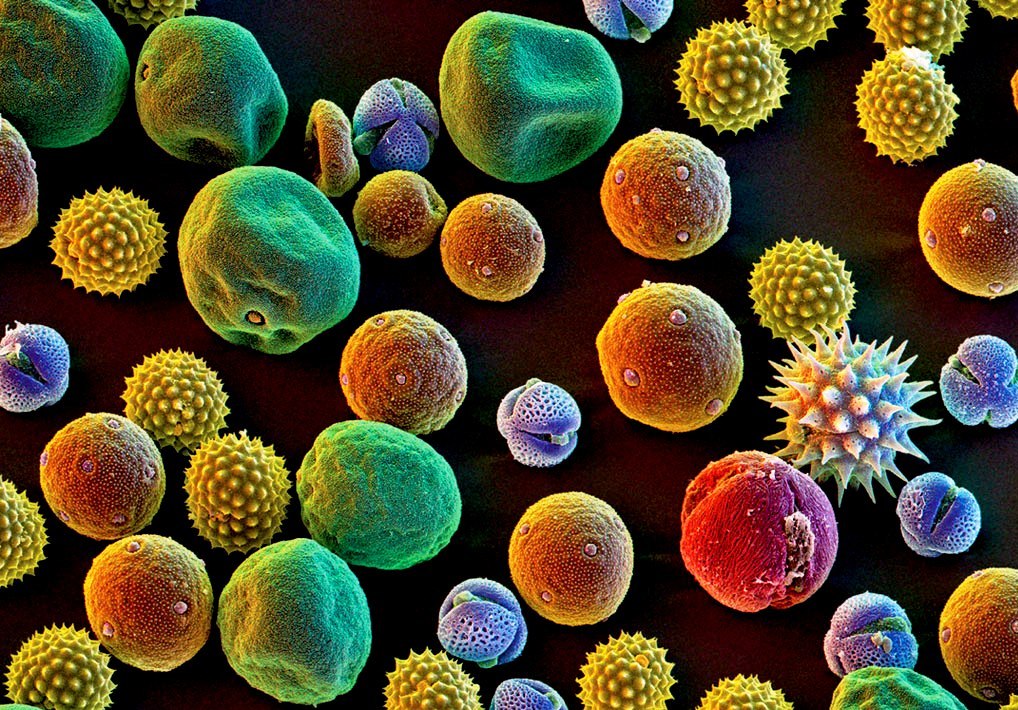
Every Spring, 10,000 species of plants gather around my apartment in a massive botanic circle jerk, spraying me and my immune system with a dazzling array of ejaculates green, gold and white. And they do this knowing full well that in another life, my white cells worked for Al Qaeda. For me, the months immediately following March are Anaphylaxis and Can’t.

Bee-pollen-supplements1

You know when you make pancakes and first pour the batter into the scorching pan? Within moments, the batter bubbles up and bursts? That was me as a kid on a cloudy day. On a sunny day, I could watch Enola Gay footage and jealously think, “At least they had a breeze.”

And the water’s no better. Pond, stream, lake, ocean, they all think of me as chum, and not in the friendly sense. I’ve yet to find a boat I cannot fall out of. A canoe? An outdoor bathtub. A kayak? A restraining device designed to pin me underwater. A rowboat? Topless submersible.

2 upsidedown

Currents. Waves. Tides. All mechanisms to keep me from remembering where I left the air. I once went body surfing in Oahu and got so disoriented by the swirling currents that I flew home from San Francisco. You worry about an undertow? I’ve never experienced anything smaller than an underfoot.

And regardless of my home BioDome project, all of that goodwill is forgotten the moment I emerge from my apartment and become a blood bank for what must otherwise be the most anemic bugs on the planet. Even the vegan insects view my flesh as hyper-ripe banana paste.

And despite the most astringent soap and strongest deodorant, I apparently offer flies the personal banquet of a 6-week-old corpse vacationing in the Louisiana Bayou. I am the no-pest strip of the bed bug world.

Red-winged black birds strafe me. Squirrels can’t tell walnut meat from finger meat. And wasps see themselves as my personal EpiPen.

I tell you all this because I am travelling to Los Angeles in a couple of weeks, and so I would like to pre-emptively apologize for the events that will finally bring beachfront charm to the Vegas strip.

vegas


NOTE: This piece is written as my contribution to a wonderful creative assembly called “Tell Me A Story” organized by my friend Will Ennis, a lovely actor in the city of Toronto. You can see his acting reel below.