The Force Awakens…to a Khan job (SPOILERS)

tfa_poster

J. J. Abrams is on my shit list.

That statement alone should tell you everything you need to know about my experience with Star Wars: The Force Awakens (Ep. VII).

As background: I am old enough to have seen Star Wars: A New Hope (Ep. IV) in theatres as a young teenager. And I was so impressed by the film that I immediately came home from the theatre and wrote a sequel…400 hand-written pages of a screenplay. My first screenplay, in fact, at the ripe maturity of 13 years.

Star Wars is my birthright. I will defend it tooth and nail.

Thus, J. J. Abrams is on my shit list.

After the underwhelming prequels (Ep. I-III), I looked forward to Abrams’ take on the saga. I was a big fan of his reboot of Star Trek, although I had a bit of a nagging doubt after the reboot sequel Into Darkness. But if anyone had a sense of the epic, almost operatic scale of the Star Wars universe, it should have been Abrams.

Star_Wars_Episode_VII_42318

And to some extent, he fulfilled his end of the bargain.

Shivers went down my spine when we scaled across the vast deserts of Tatooine…I mean Jakku.

I worried when R2…I mean BB-8, was captured by the Jawas…I mean scrap metal scavengers.

I bounced happily with the music of the Mos Eisley cantina…I mean the Takodana cantina.

I cheered when R2 successfully arrived at the Rebel base…I mean BB-8 arrived at the Resistance base with the vital information.

I sat back in awe as I saw the might of the Death Star…I mean Starkiller Base, for the first time.

J. J. Abrams is on my shit list.

To get back to Star Trek: Into Darkness, briefly, we all knew that Abrams was rewriting the story of Kirk’s greatest nemesis Khan Noonien Singh. And the movie didn’t disappoint in its grand opening flourishes and early Starfleet intrigue.

But then, at some point, it was like Abrams had run out of ideas and so simply inserted the last 20 pages or so of the original Wrath of Khan screenplay, hoping we wouldn’t notice.

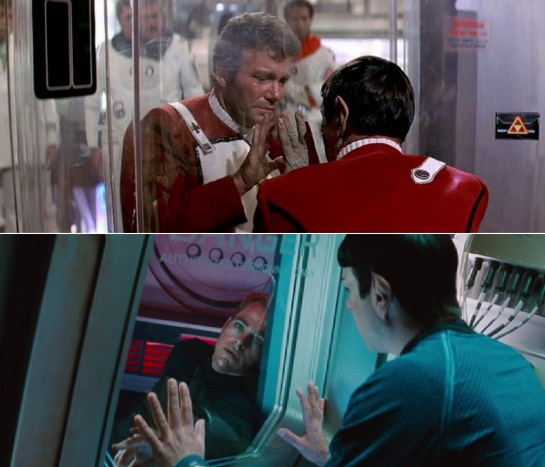
The least tweaked moment of overlap between the two movies was the scene between Spock and Kirk across the glass as one dies from radiation sickness. Abrams simply swapped the positions of the two characters.
twokstid

Some might consider this an homage to the original. A friend of mine, in discussing The Force Awakens, called it alt-universe mirroring. I call it bullshit, and lazy bullshit at that.

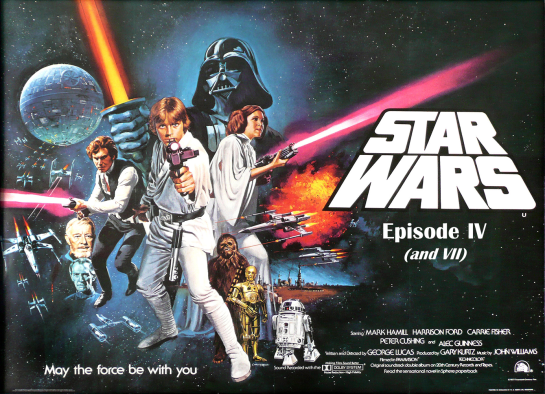
Now, Into Darkness was not intended to be a prequel to any of the older Star Trek movies, so I can buy into the alt-universe idea a bit. But The Force Awakens is Ep VII of a saga. It is not an alt-universe but the same freaking universe 30 years later.

An homage is the holographic chess set. An homage is NOT a beat-for-beat repetition of Ep IV, even if jumbled up a little bit and with a few scenes from Ep V and Ep VI thrown in.

The spell of childhood memories faded rapidly as The Force Awakens played out on the screen, and I spent much of movie sitting with an attitude of “Really?”

And as I walked home from the theatre…a 40-minute walk…I just got angrier and angrier as the volume and sheer audacity of the parallels continued to sink in.

J. J. Abrams is on my shit list.

Droid capture

“You’re pretty bang on, but it’s what I was expecting,” explained a friend whose ear I bent. “It’s the old ‘the same, but different’.”

“I saw it more as a mirroring of the previous six films; a device to draw in new fans and satiate old fans,” another friend said.

I call bullshit…not of my friends, you understand, but of the idea that The Force Awakens needed to remind us of the saga up to now or reinvigorate fans.

Please, how could anything from the Star Wars saga fail to draw box office records?

I know I’m in the minority here. Most fans won’t clue into any of the parallels but instead simply wrap themselves in the old familiar or marvel at the new spectacle. Cool, I am glad they enjoyed the film.

Even I will likely see it again as my first viewing was in regular 3D—strange to think of that as a thing—and not in IMAX or AVX.

And as much as I would buy Henry IV, Part Three if Shakespeare wrote a sequel to his first two Henry IVs, I will eventually add this movie to my Star Wars collections.

But J. J. Abrams is on my shit list, and I will approach any of his future movies with suspicion and cynicism.

And that, more than anything, I am saddest about.
Ep IV_VII

Call me disappointed – Review of In the Heart of the Sea

in-the-heart-of-the-sea_banner1

Bluntly, In the Heart of the Sea was such a disappointing movie that I can’t even come up with a metaphor about a man driven mad by a desire for revenge against a ghostly leviathan. And that statement is made all the sadder by director Ron Howard’s attempt to do just that with almost every character in the movie.

For the under-informed, In the Heart of the Sea is the story of the writing of the novel Moby Dick by Herman Melville. It is also the story of the story that led to the writing of the novel Moby Dick. In short, the film occurs in two timelines that unto themselves cannot disguise the fact that neither plot line is satisfying.

Adding to this sense of disappointment is the fact that my friends and I saw the movie in 3-D IMAX, neither of which was needed to tell this narrative, which is surprising given the majestic concept of a whale attacking ships in the open ocean.

Even the actors couldn’t manage enough dimensions to be considered flat, let alone 3-D. Somehow, stalwarts like Brendan Gleeson, Ben Winshaw and Thor…I mean Chris Hemsworth…failed to bring life to this bilge water. Hell, even the great white sperm whale was unable to add excitement to this movie.

Moby Thor

If you want the experience I think Ron Howard was targeting, watch Apollo 13 and every time Tom Hanks appears on screen, imagine him in a cape with a Viking helmet. You’ll have a much more enjoyable experience.

As one of my friends suggested, it was as though Howard was going through a checklist of clichés.

Man vs. inner demons  √

Man vs. the elements  √

Man vs. society/class system  √

Man vs. nature/whale  √

Man vs. himself/his past  √

Unfortunately, Howard missed the most important one:

Man vs. coherent story with a point to make  X

Having read the novel Moby Dick and watched two film versions—Gregory Peck is a God—this version actually did damage to the franchise. It somehow took an exciting tale and examination of the destructive demons that possess us all, and turned it into a melodramatic soulless mess.

The only real positive that I can offer this film was that for all the time spent watching nothing happen, I never reached the bum-squirming phase where I positively itched to flee the theatre.

This was a Hollywood gimme, and yet somewhow they managed to blow it.


Other reviews:

Danny F. Santos (coming)

Less than a whale of a tale (Toronto Star)

It’s Man vs Leviathan (New York Times)

Chris Hemsworth Anchors a Whale of a Tale (Forbes)

Feedback, not criticism (or worse)

customerstalking

A friend of mine recently wrote a screenplay for a sitcom. Not a spec of an existing show, mind you, but rather an entirely new idea she developed.

In accomplishing this feat, she joined rarified company. For every person who has written a television pilot, there may be a thousand people who have written a spec script and millions who have never put pen to paper (finger to keyboard).

And like any good writer, she wanted her work to be as good as it could be, so she asked a handful of people she knew—including me—to read it and give her feedback.

Unfortunately, as I later learned on sending her my feedback, she was ready to chuck in the writing game because of scathing criticism from another reviewer, who essentially told her that her pilot was complete crap (or worse).

My friend is talented and is in the process of maturing her style. And the feedback I gave her was honest and critical, but it was also designed to help her improve, not make her quit. The pilot was still raw, but there was merit in many aspects of it, and the rest could be easily improved.

Sadly, it seems her other reviewer was less interested in helping her find the gems in her work.

To the writers out there, I say, pick your reviewers wisely, and before you take any of the feedback to heart, consider the source and get input from more than one person.

Feedback that is overly critical or overly praising is largely useless…and potentially lethal.

To the reviewers out there, I say, be honest but be constructive. It does no one any good to rip a work to shreds and leave it in tatters. It doesn’t make you more powerful. This isn’t even about you but about the work.

At the end of this post, I have links to pieces I have written previously on receiving and giving feedback. And below, without giving away my friend’s identity or her concept, I offer the opening of my notes to her.

Good luck and good writing to everyone!


My favourite insight of all time on writing for television is that pilots suck. Let me repeat that:

PILOTS SUCK!

The challenge with a pilot is you have to do soooo much structural heavy-lifting and still try to tell a coherent story.

  1. You need to establish the premise.
  2. You need to establish the perspective of your protagonist and therefore your concept.
  3. You need to not only introduce all of the regular characters and their relationships to each other, but also make them engaging.
  4. You need to give the audience a sense of what a typical episode might look like so they know when they can go pee.
  5. And did I mention that you also need to tell a coherent story?
  6. Oh, and one last thing for the sitcom writers…you have to be funny.


So, massive kudos to you for writing a sitcom pilot and doing a decent job of it. You’ve covered all of the points above, but you haven’t really nailed them yet. And for me, nailing them hinges on your decisions about point #2…

Cookie-Monster-Quote-Wallpaper-Download

See also:

Giving Feedback – The Reviewer Strikes Back

Receiving Feedback – Part One

Receiving Feedback – Part Two

Oh Muppets, where are’t thou (UPDATED)

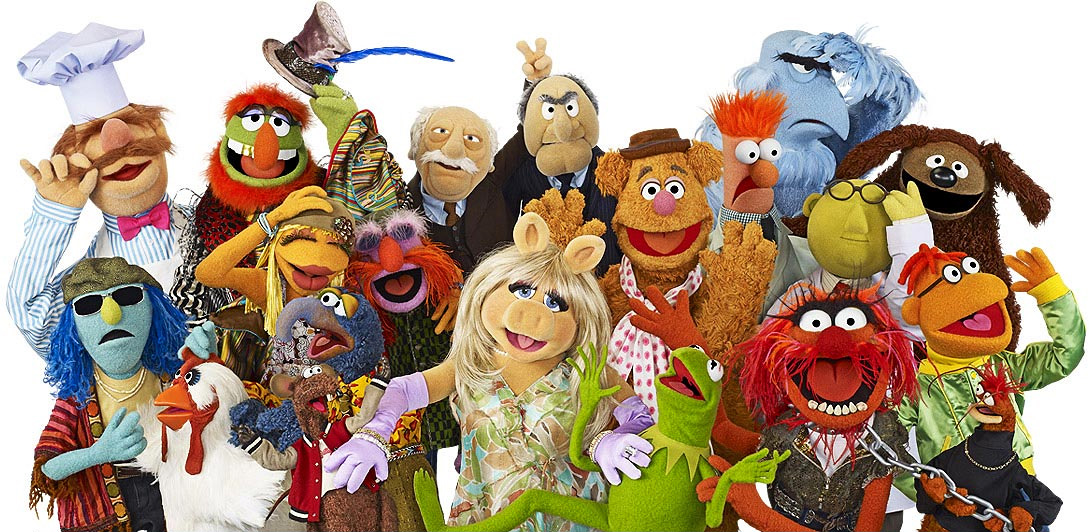
TheMuppetsGroupshot2011

Yesterday, Deadline: Hollywood announced that Bob Kushell, co-creator and showrunner for The Muppets, would be leaving the fledgling show while Bill Prady and a new showrunner (possibly Kristin Newman) would work on retooling the ABC series that has garnered vast quantities of media and social media coverage.

As the Deadline article suggested:

“But after a highly-rated premiere, ratings dropped. The Muppets has done an OK job opening Tuesday night for ABC at 8 PM, with its numbers on par with lead-out Fresh Off The Boat, but because of its marquee title, The Muppets has been held to a different standard, so its performance has been  considered somewhat disappointing, and there has been a concern about its creative direction.”

I am part of that ratings drop, for reasons I will discuss shortly, but I have several friends and associates within the puppetry community who have struggled mightily to stem the tide, lauding the show’s freshness and energy and chastising its critics. I feel bad that I have let these people down, but I feel it is for good reason.

Briefly stated: The Muppets (the TV series) is a pale, anemic shadow of the Muppets (the icons).

My biggest concern about The Muppets is that the Muppets aren’t leading the way…they are following someone else’s formula. This feels like total anathema to all of what Jim Henson was.

The current incarnation is little more than The Office but with felt-fleshed characters. Look no further than the show’s logo which is presented in the same manner as that of The Office and with an almost identical typeface. And the setting within a late-night talk show makes it a pale imitation of The Larry Sanders Show.

the Muppice

Although parody has long been a staple of the Henson way—consider “Veterinarian’s Hospital” and “Pigs In Space”—The Muppets is not a parody but rather is being sold as original. And ironically, while the new content is supposedly more adult, I would offer that it is not nearly as edgy as it used to be. The humour isn’t nearly as sophisticated as it was in times past. (I appreciate that it is now property of Disney.)

Case in point: References by members of Dr. Teeth and the Electric Mayhem to illicit drugs and rehab have become much more overt in the new series whereas they were only really implied previously. It is as though the showrunners don’t have faith in the audience “getting” the jokes.

“Oh, my God! Did Floyd say rehab? That’s edgy.” No. No, it’s not.

But back to the leadership discussion.

Henson and his gang were innovators. They took an ancient format—the puppet show—and brought it to heights never before imagined. They didn’t pander to their audience but rather challenged them to follow along or be left behind.

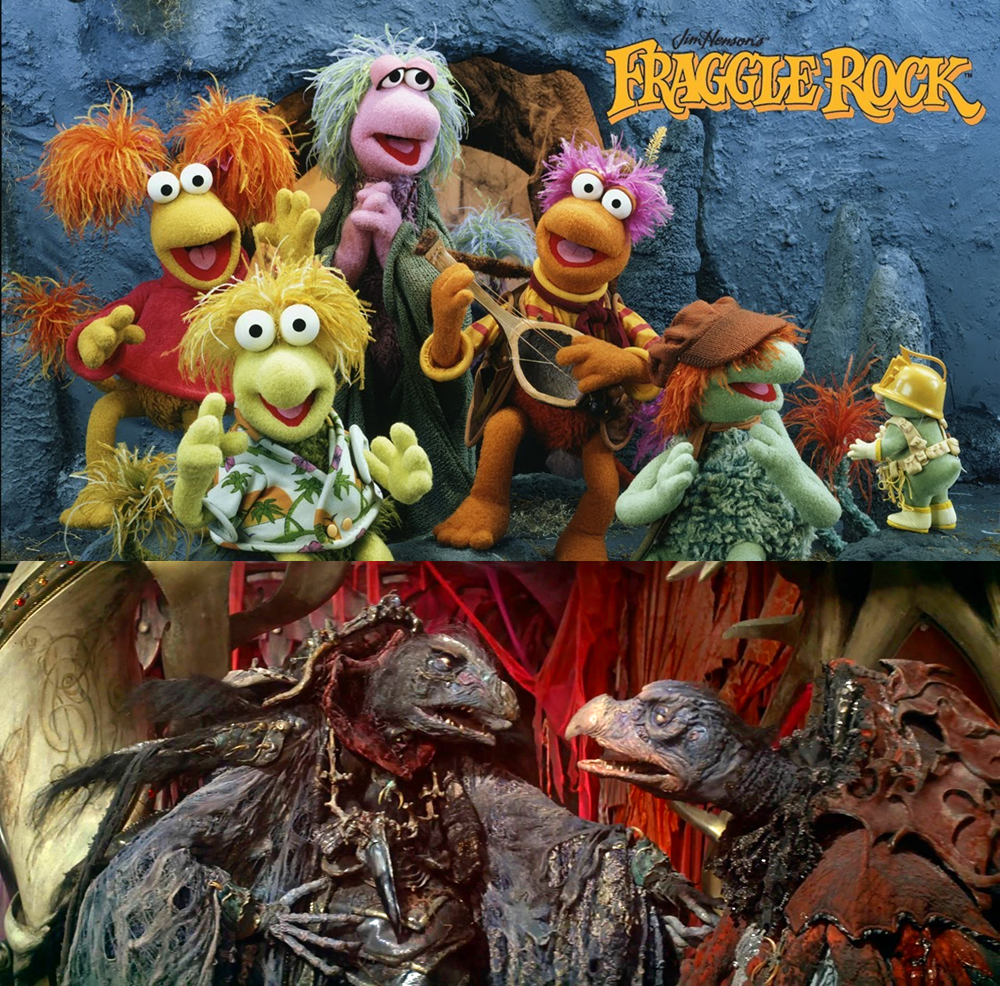
Fraggle-crystal

Sometimes that became wildly popular: The Muppet Show, Fraggle Rock.

Sometimes it never found a wide audience: The Dark Crystal, Muppets Tonight.

[NOTE: Dear purists, I know that Muppets are Muppets and the others are not…I am trying to make a point about innovation here, so please bear with me.]

And, as I understand it, even the now idolized The Muppet Show almost never existed for lack of interest by American networks that couldn’t see the vision and felt variety shows were on their way out—in 1976, only The Carol Burnett Show remained, Sonny & Cher and Tony Orlando & Dawn having ended a year earlier. That’s why the show was created in the U.K. under the financial benevolence of Lew Grade.

From a mechanical perspective, the artists working on The Muppets are doing an admirable job. These are incredibly skilled men and women performing a technically challenging art form that combines the illusory world of puppets and the frailties of human flesh.

But all that skill and effort is for naught without a heart and soul. And these, in my opinion, are what the current show is lacking.

Ironically, when I watch The Muppets, all I see are puppets, characters trying to entertain an audience. I don’t sense the humanity within the puppets, and it was that humanity that made the Muppets so special in the first place.

Perhaps this is just a case of old-man-itis on my part—“when I was a boy…”—but sadly, I am putting down the empty toys that The Muppets represent and mourn the (hopefully temporary) loss of old friends—the Muppets.

I wish everyone the best of luck with the reboot.

PS I love the work of Bob Kushell and Bill Prady, and place no specific criticism on anyone’s shoulders for my concerns about The Muppets. Not saying this is the case here, but sometimes talent and creativity is not enough to overcome a bad match between artist and vehicle.

See also:

Breitbart‘s “The Muppets’ Reboot: What Hollywood gets wrong about family entertainment”

Although I think the writer (Melissa Henson) has made some valid arguments about the writing of The Muppets, I think her overarching belief that this was intended as family viewing is wrong. Although these are beloved characters from film and television, this show was very much centred on an adult audience. To repeat an earlier point, calling this family entertainment would be to ascribe the same to The Office.

You and Me Both – a revue review

BARAM_SNIECKUS_630x345WEB_BANNER

As a disclaimer, I should tell you that I am in love with Toronto comedian Naomi Snieckus. What keeps this from getting too awkward—for me, at least—is the fact that I am also in love with her comedic partner and husband Matt Baram.

There. I said it. It is out in the open. Let the restraining order chips land where they may.

Last night was the preview of Baram and Snieckus’ latest stage revue You and Me Both, playing at Toronto’s Theatre Passe Muraille – Backspace. And short of attending the show in the performers’ living room, a more intimate setting could not be found.

Minimalist is too long a word to convey how intimate the Backspace is. As the sell-out crowd of about 40 patrons stirred on their Obus-form cushions, we were faced with an almost barren stage but for a handful of stools and chairs, the furnishings hearkening back to Baram & Snieckus’ days as performers at Toronto’s Second City. And the stage itself was little more than a black box that Schrödinger’s cat wouldn’t be caught dead in (or not).

The reason I go on about the environment is because this is the setting in which Baram & Snieckus work best. When you see these two perform, it is less a classical theatre experience where the actors remain in a distinct world, separated from the audience. Instead, the audience is embraced by the performers—not literally, more’s the shame—and shy of being brought on stage, are used by the performers to heighten and inform the performance. As an audience member, you feel special in their presence (see earlier disclaimer).

But onto the comedy.

Unlike most Baram & Snieckus performances where improvisational scenes take the day—you will be hard-pressed to find two better improv performers—You and Me Both is a scripted show, a combination of sketch and musical revue, most of which worked really well.

The opening musical number was a bit uneven, Snieckus seeming more comfortable with the music and routine than Baram. Astaire and Rogers these two aren’t, but Snieckus sold it for everything she was worth. Baram musically redeemed himself later in the show, however, in a number that played to his strength as a performer: frustrated under-achiever.

The sketches, however, were classic Baram & Snieckus as the two latched onto characters of all stripes. After a decade of performing together, the two are perfect foils for each other. If screwball comedies ever became vogue again, these two are Rock Hudson and Doris Day (with Snieckus as Hudson).

Screwball

As scene transitioned to scene, Baram & Snieckus chameleoned into their roles, the muscle memory of improv turning them into the characters rather than simply performing them. That being said, the only bit that really fell flat last night was ironically the lone improv piece.

Watching these two perform is tantamount to witnessing a comedic kaleidoscope, every twist and turn bringing something new to dazzle the eyes and ears. You and Me Both is just the latest twist and more than lives up to expectations.

The intermission-free show, which was listed as 80 minutes but has been cut to 65, runs until November 1 with shows at 7:30 pm and weekend matinees at 2 pm. Knowing these two, each performance will offer something new, so consider seeing the show more than once. For $20, you’re unlikely to spend a more entertaining hour.

Related:

Baram and Snieckus are the city’s most laughable couple (Toronto Star)

National Theatre of the World

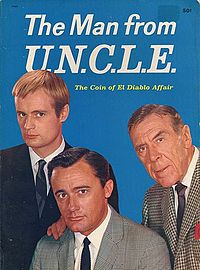
The Man from UNCLE – see it while you can (a review)

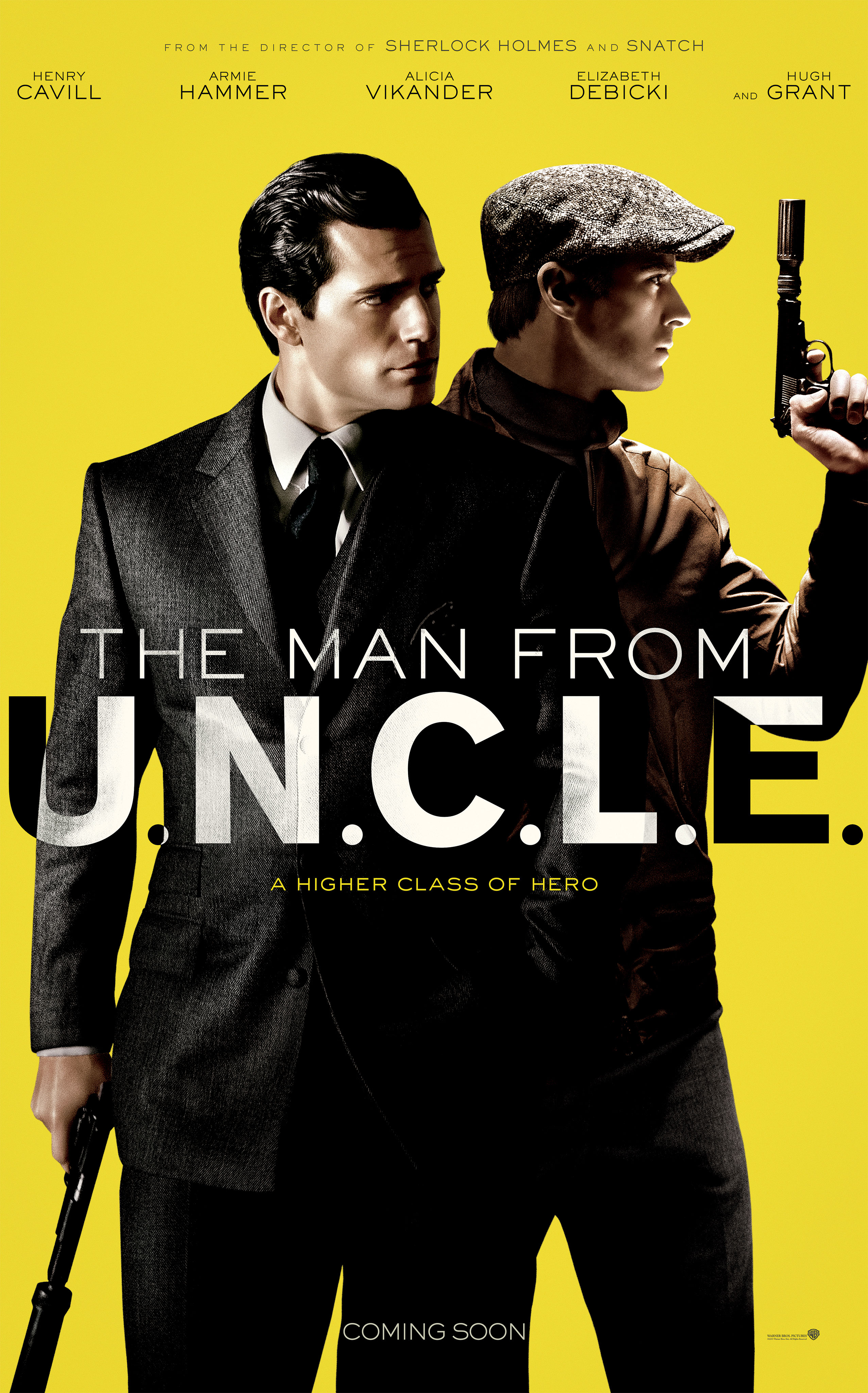
MfU poster

As a literal child of the 60s, I am barely old enough to remember the television series The Man from UNCLE, yet another show centred on Cold-War America’s fascination with the spy world. While Bond, Flint and Helm were doing their thing in theatres, The Men were joined by the likes of The Saint, I Spy, The Persuaders and Get Smart.

Unfortunately, whereas I can quote lines from Get Smart (don’t judge me) and have fond memories of The Saint, things are a little foggier when it comes to The Man from UNCLE. Thus, when I took in the newly released movie, my mind was open.

Essentially, an origin story for the UNCLE organization—United Network Command for Law and Enforcement—the movie introduces us to the two men on which the series hinged, American spy Napoleon Solo and Soviet spy Illya Kuryakin, and how they are forced to work as a team despite their complete distrust both of each other and of their own governments.

I won’t go into great detail about the plot as it really doesn’t matter—much as the plot of a typical Bond flick doesn’t matter. The only reason for the central plot conflict is to force these two guys together and watch them play “whose dick is bigger.” Really. I mean it.

Over a two hour span, I think there was maybe 30 minutes of actual story. The rest of the time was spent in a great variety of chase scenes, some of which were quite funny, or watching Solo (Henry Cavill) and Kuryakin (Armie Hammer) argue over fashion, spy gadgets and how badly the Soviet needs to get laid.

Now & Then: Chemistry is key for bickering twosome Napoleon Solo (dark hair) and Illya Kuryakin

Now & Then: Chemistry is key for bickering twosome Napoleon Solo (dark hair) and Illya Kuryakin

All of the friends who saw this movie with me had issues with this. The story wasn’t particularly engrossing and they felt like director Guy Ritchie had simply provided a light dessert; enjoyable in the moment, but offering little satisfaction.

To some extent, I agree with them. I am a fan of Ritchie’s earlier efforts with the Sherlock Holmes movies (Robert Downey, Jr., Jude Law). Here, the stories were quite rich and complicated, as one would hope with a Sherlock Holmes tale. Using this barometer, The Man from UNCLE definitely failed.

But to some extent, I think my friends missed the point (but then, I would). I don’t think Ritchie was going so much for a story that you might find in the most recent Bond films, filled with character complexities and inner conflicts, longer story arcs, generous back story.

Rather, I think Ritchie was going for the vibe and energy of that earlier generation of spy films, which were more a vehicle for the star than anything and featured much shallower stories. To me, this film was more about Dean Martin’s Matt Helm, James Coburn’s Derek Flint, and if only for the humoured banter, Roger Moore’s James Bond.

Ritchie is trying to capture a time and place, or perhaps more specifically, a style. And if we have learned anything about Guy Ritchie, in a battle between style and substance, he will always go with style. In some ways, I see him more as a painter than a director, as his primary goal seems to be a luxurious visual. Dialogue is simply a necessary evil for him.

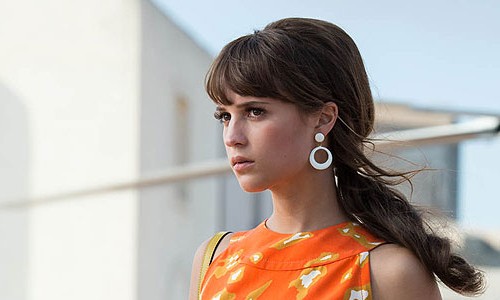
Although, this is not to say that the dialogue was a burden here. The chemistry between Cavill and Hammer is palpable, much as it was between Downey Jr. and Law. And the addition of Alicia Vikander’s character Gaby simply enriches that dance.

Alicia Vikander's Gaby complicates life for the boys

Alicia Vikander’s Gaby complicates life for the boys

She is a very capable actor and this role is perhaps the complete opposite of her performance in Ex Machina (my review). Although, you may end up questioning which role was more manipulative.

Unfortunately, Ritchie may have overestimated the power of his painter’s brush in this film if my friends and the 2/3-filled Friday night opener was any indication of how this movie is being received. This film was obviously set up to be a franchise, but as we have seen in the past, that decision doesn’t rest with the studios as much as with the audience (aka box office).

I’m hoping the movie does financially better than it looked. I’d like to see more of these movies. May have to live with reruns of the original series, instead.

200px-ManFromUNCLEbook

Other reviews of The Man from UNCLE:

The Man From U.N.C.L.E. about more than just the cool clothes: review – Peter Howell, The Toronto Star

Movie Review: The Man from U.N.C.L.E. – Danny F Santos

Close but no Clouseau

600full-the-pink-panther-poster

So, I just finished watching the 2006 reboot of The Pink Panther with Steve Martin, Kevin Kline and Jean Reno, and all I can think is nice try.

Hollywood has always loved its remakes and reboots—this is not a new phenomenon—and sometimes they pay off. For example, I particularly enjoyed the Star Trek reboot of 2009, although its follow-up remake of Wrath of Khan was a bust for me.

But I seriously believe there are a handful of quintessential films that simply cannot be remade or rebooted, and in each case, I suspect it is because the lead character was so completely defined by the actor who played him or her.

Such is the case with Inspector Clouseau.

One of these men is an imposter

One of these men is an imposter

In the 2006 reboot and its unfathomably inexplicable sequel in 2009, Clouseau was performed by Steve Martin, a man for whom I have the utmost respect as a comedian and actor. But the key term there is “performed”. Steve Martin portrayed Inspector Clouseau.

But Peter Sellers was Inspector Clouseau. He didn’t portray or perform the honoured member of the Surete, he gave birth to the man, he lived the man, he was the man.

And when the beloved actor, comedian, writer, raconteur passed away in 1980, so too should have any thought of reviving Clouseau. For all intents and purposes, Sellers’ tombstone might also have read “Here reposes Chief Inspector Jacques Clouseau”.

Sellers was that kind of an actor. He was a shape-shifter, a modern-day Proteus. Upon donning the hat, moustache and trench coat, Sellers ceased to be and Clouseau emerged.

And in giving birth to Clouseau, he launched onto the world a character that would become immortal, and thus a character who cannot simply be portrayed.

Perhaps one day, an actor will come along who can inhabit the character, be the character enough to do it justice, but I can’t think of anyone. And even if such an actor exists, someone with that kind of talent is better served giving genesis to new characters of the immortal prowess of Clouseau.

So, bless director Shawn Levy and Martin for trying, although over-trying might be more appropriate. You and the rest of the cast and crew had pretty much no chance to leave a footprint given that your predecessor left craters.

* * * * *

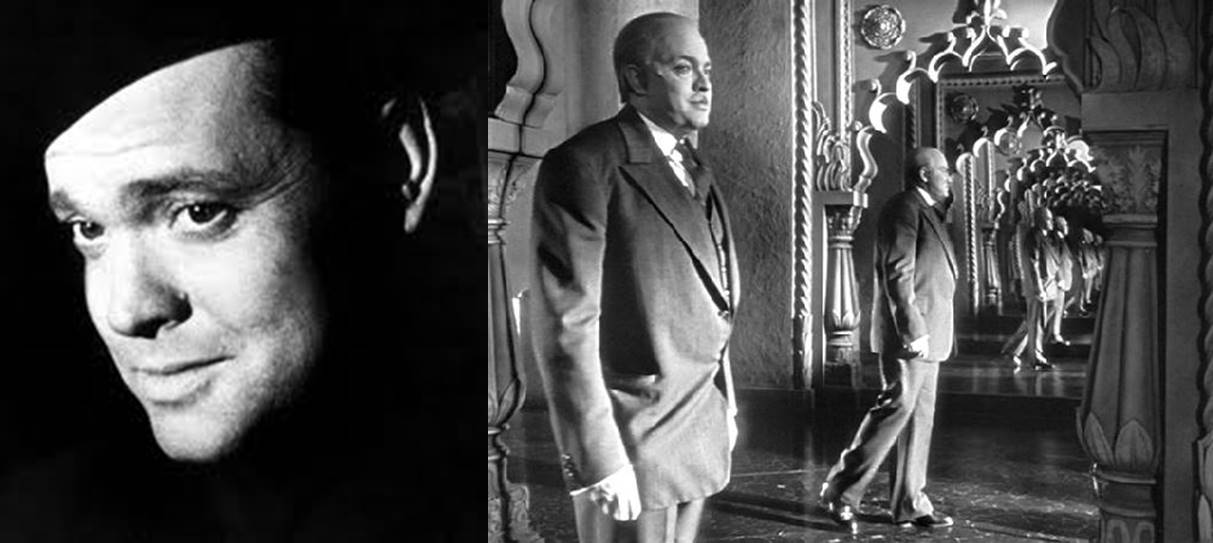
For reference, another actor I put in the unrebootable/unremakeable category is Orson Welles.

Can you imagine anyone else trying to step into the roles of Charles Foster Kane (Citizen Kane) or Harry Lime (The Third Man)? I can’t.

Harry Lime and Charles Foster Kane

Harry Lime and Charles Foster Kane

Judging Amy…Schumer…in Trainwreck (a review)

poster

I need to disclose that I adore Amy Schumer. I think she is an amazingly funny and talented comedian who has a knack for finding every nerve in every situation. Thus, I was petrified when I heard she was going to write and star in a movie.

Obviously, it’s not that I didn’t think she was talented. More that the talent to pull off a movie is very different from the talent to perform stand-up or biting sketch comedy.

Most comedians do not make the transition smoothly, and when they do, it is largely because they have completely reinvented themselves, often after several rocky outings. And many simply make the not-particularly-safer jump to sitcoms.

There is a lot to like about Schumer’s Trainwreck, so in that sense, I am happy that she didn’t completely self-immolate. On the other hand, the film had a lot of weaknesses that simply highlighted the challenge of writing a 122-minute sketch.

The movie had a lot of funny lines and several funny moments, based on the laughter that surrounded me and periodically fell out of my own face. And the humor was classic Schumer for those familiar with her comedy.

Anatomical jokes. Sexuality jokes. Feminine hygiene jokes. A bit of racism here and there. And crap loads of jokes about what a giant slut Amy is—note that she followed long-standing comedian tradition of naming her character after herself.

And Bill Hader was amazing in the role of the sports surgeon-boyfriend Aaron, particularly as he largely played the entire movie straight. This was not one of Hader’s million oddball characters. This was Hader being a regular human being who hangs out with multi-million-dollar sports figures.

Where the movie fell down for me was in the story. In short, it was a pretty stereotypical romcom.

In this case, they didn’t go with the “I hate you, I hate you, I can’t live without you” model of Nora Ephron. This was more the increasingly familiar “I don’t know about this, gee this is nice, what the hell, I hate you, never leave me” model.

Now, as a romcom, that is perfectly fine. If you came looking for a romcom, you will leave satisfied. It’s classic Judd Apatow, who directed Trainwreck.

But this was hailed as the anti-romcom (not necessarily by Schumer). The movie that turns romcoms on their head. Yes, the commitment-phobe in this story was the woman and not the man, but Schumer couldn’t seem to commit to that, ironically enough.

Adorable couple...cue trainwreck in 3...2...

Adorable couple…cue trainwreck in 3…2…

After establishing her character as the wham-bam-thank-you-sir kind of girl, she almost effortlessly falls into a relationship with Hader. There is token resistance, but it is overwhelmed simply by Hader saying he doesn’t agree and thinks they should be dating. This isn’t edgy; it’s sweet. Even her voiceover admits that.

Not to give anything else away, but conflict, crisis, lesson learned, gritted teeth, redemption and I love you, I love you too.

Again, if you want a romcom to match all romcoms, you got it. For those of us waiting for the Amy Schumer jab-twist combo, it was meh.

As to all of those other amazingly funny performances that everyone was raving about, I must have blinked through those scenes. It was a bigger shock seeing Tilda Swinton as a woman (and not David Bowie) than seeing her crack wise. Colin Quinn largely played Colin Quinn, who I like but did nothing spectacular here. Dave Attell wasn’t even funny.

Tilda Swinton and Tilda Swinton

Tilda Swinton and Tilda Swinton

And the various sports dudes like LeBron James and John Cena were your typical variety show variants of athletes…mostly cartoonish feminized versions of their personas.

Schumer had moments of real pathos here, so kudos to her acting chops. This wasn’t the joke-a-minute machine of her show. There is definite potential there for a film career, but like all the others who came before her, it will likely mean reinventing herself, and I’m not too sure that she’s finished inventing herself on stage or in sketch.

In fact, I sure as hell hope not, because that’s the Amy I adore.

Lady gonna do whatever she damned well pleases!

Lady gonna do whatever she damned well pleases!

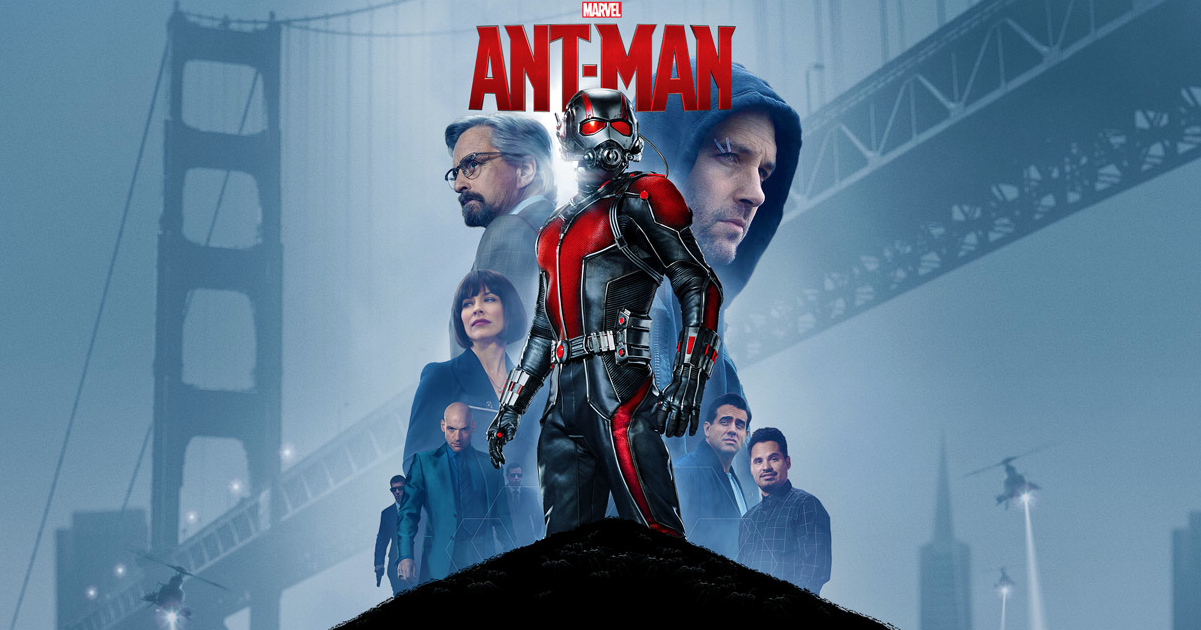
Ant Man (a review)

poster

Paul Rudd and his dimples want to don a motorcycle suit and play superhero. Yeah, that’ll work, I thought with a ready batch of vitriol sliding around my tongue-in-cheek.

Thus, I went to Ant Man last night expecting a disaster…and was surprised. Not only was Ant Man not a disaster, it was actually a delight; easily becoming my favourite Marvel movie to date.

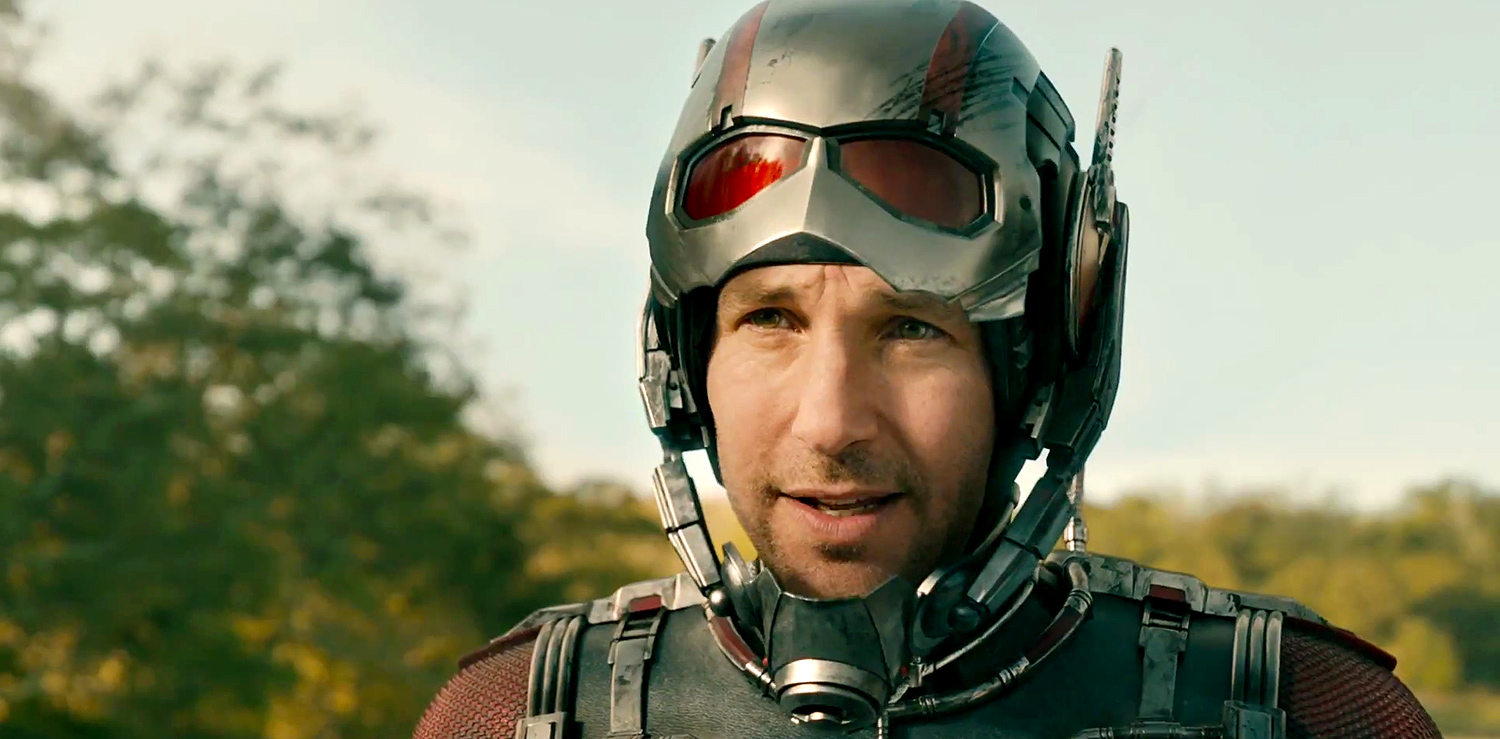
As my friends and I discussed over beers, Paul Rudd plays Paul Rudd. It is the only character he knows. The immensely likeable fuck-up doofus who somehow manages to do the right thing in the end. As such, Paul Rudd is perfectly suited to likeable fuck-up roles in movies like Our Idiot Brother (you’ll never guess which role he plays in this movie).

But a superhero? Really? I didn’t see it.

But it is the doofus that makes Ant Man work. And it is the doofus that makes this movie so approachable to a mass audience.

Sure, these are all comic book movies. You are asked to leave your credulity at the door as you make your way to your seats. These are gods, aliens, spirits and every once in a while humans with supernatural powers or genetic mutations.

Let’s face it. Tony Stark only gets to keep company with these guys because of his smarmy wit, which is his supernatural ability, brought to life deliciously by Robert Downey, Jr. The suit is just a nice-to-have.

How the hell did Paul Rudd and Ant Man get into this picture? Even the movie makes fun of the costumed crusader’s name.

Rudd manages to make Ant Man believable and by that, I mean both the character and the entire concept. The doofus brings a heart to this character, a grounded reality to this character that no one else has ever managed. He is what Peter Parker was supposed to be, but without all the angst.

Doofus as superhero? It works!

Doofus as superhero? It works!

You could have a beer with Ant Man, and that is why this movie will do incredibly well.

Ant Man is also amazingly funny, rife with jokes and awkward moments that completely work. Even a sourpuss like me was heard to laugh out loud on more than one occasion. Some of that comes down to Rudd’s timing, but no character is left without laughs. Everyone contributes in this movie.

Another factor is that you don’t have to be immersed in the Marvel universe to get this movie. You don’t have to have seen every predecessor movie to understand what is happening—see my previous thoughts on Age of Ultron. Only in a couple of places would that knowledge have made the joke better, but even there, the jokes worked.

The story is a comic book story, and so has the depth one might expect of something aimed at 10-year-olds, but again, that’s the kind of story in which a doofus revels. And unlike the other Marvel films, this adds a touch of Wile E. Coyote, just to keep it light.

My only other notes of…well…note: Michael Douglas is amazing; Evangeline Lilly is gorgeous and fun; and I have never wanted a pet ant more in my life.

The Women of Tu-Na House needs some massaging (a review)

Writer/performer Nancy Eng takes us inside a NYC massage parlor

Writer/performer Nancy Eng takes us inside a NYC massage parlor

I generally don’t like one-person shows. Because the onus is on one actor to relate a story, often without much more than narration, I find myself wishing I could just read the play. Thus, I headed to theSt. Vladimir Theatre to see the Toronto Fringe premier of The Women of Tu-Na House with some trepidation.

The one thing that gave me hope going in was that writer/actorNancy Eng had created a show in which she played a half-dozen characters. Thus, I hoped, there would likely be one or several characters I could latch onto. Sadly, it didn’t work out that way.

The Women of Tu-Na House practice a traditional Chinese massage technique at a New York massage parlour. As we learn through a series of vignettes, each woman ended up here under very different circumstances, and several of the women decided there was money to be made by offering additional services.

The tea server who was once a man

The tea server who was once a man

Interestingly, in the show’s program, Eng is quick to state that the women made their choices willingly and feel no shame in their actions. And yet, despite asserting that these women aren’t victims, at least half of the monologues tell stories of victimization, whether by husbands, home towns or customers.

But that aside, for me, the biggest challenge of the performance was Eng’s inability to inhabit the characters she portrayed. Although she told each character’s story—with some difficulty, as she routinely stumbled her lines—it never felt like she became those women. Try as she might, it was always Nancy Eng on stage and a bad French accent, for example, wasn’t about to change that.

The performance was also let down by a faulty sound system. Every time Eng changed character, the lights would go down and she would change costume. While this happened, the next character would explain her origin story in voice over. Unfortunately, the sound system kept garbling the voice over so that by the time the lights came up, I had no idea who Eng was portraying.

The host for happy endings

The host for happy endings

Seemingly recognizing the premiere’s challenges, she apologized to the audience during the curtain call for her rough voice and allergy issues. Even she, it seemed, felt that tonight’s performance wasn’t up to code.

The show has played to raves at other festivals; for example, it won Best of Solo at Hollywood Fringe. And I definitely thought there were some poignant and funny moments during the performance. I can only hope that the theatre and Eng manage to pull things together for the rest of the Toronto Fringe run.

[Adapted from a review that first appeared in Mooney on Theatre.]