If music be the food of love, mine must be a tone-deaf acapella

If music be the food of love, mine must be a tone-deaf acapella
Okay, so I’m continuing to play with my scanner, which does a decent, if not brilliant job with photos.
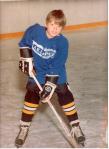
Here are a handful of shots taken about 15 years ago in Algonquin Provincial Park in Ontario, several hours north and west of Toronto (Canadians measure distance by how long it takes to get there, not actual units of distance).
Michael (Jeff Goldblum): Don’t knock rationalization. Where would we be without it? I don’t know anyone who could get through the day without two or three juicy rationalizations. They’re more important than sex.
Sam (Tom Berenger): Ah, come on. Nothing’s more important than sex.
Michael: Oh yeah? Ever gone a week without a rationalization?
Many of us struggle to accept feedback, and in saying that, I put the emphasis on the word “accept”.
It is easy to receive feedback, but to accept feedback takes a certain degree of confidence that most of us struggle to achieve, and the earlier we are in the development of our Art, the worse our ability. It is a cruel irony that this struggle is at its zenith when we most need the feedback.
It seems that the minute someone offers feedback, even if we’ve requested it, our initial response is to explain why the work is the way it is or why the feedback provider is wrong. As Jeff Goldblum’s character in The Big Chill put so eloquently, we rationalize.
Now, before you try to explain why you rationalize or try to convince me that you don’t—you know you were going to—let me tell you that it is a natural response that was bred into us from our earliest days.
As a child, if you came home late or missed an appointment, you were likely met with an angry parent asking where you were. Unfortunately, for the most part, parents don’t actually hear the answer, because with the rarest of exceptions, your answer is unlikely to ameliorate the punishment.
And any attempt on your part to simply accept responsibility with “I am sorry, Mummy. That was disrespectful of me and I shall try to be more thoughtful in the future.” (all 5-year-olds talk like that, right?), was met with continued pressure to explain yourself.
Fast-forward 20, 30, 40, 50 years. A classmate, instructor or colleague has just read your manuscript and has trouble with one or two things. The instinctive reaction—thanks Mom and Dad—is to respond “Uh-huh. Well, you see…”
We immediately want to explain why we made such an astounding choice. We feel we need to prove we’re not stupid or crazy, and in some cases, to prove that our readers are. And this instinct is even worse when we either can’t remember why we made that specific choice—the “I dunno” scenario—or we thought it was a bad choice but felt we had no better ideas—the “I’m a talentless hack” scenario.
If we can just suck all of the oxygen out of the room, the reader will suffocate and no one need know of our disgrace.
STOP! BREATHE! RELAX!
Shut up and listen. Don’t respond other than to indicate that you’re following what the person is telling you.
You’re not being attacked. They don’t hate you. They’re not trying to convince the world that you’re a terrible human being.
Fight the urge to explain yourself and instead think about what you are being told. You may not understand right away, so feel free to ask for clarifications (not offer rebuttals). Take the input away and mull on it.
This is an opportunity to learn something about your work, your abilities and yourself. Take advantage of that.
You likely asked for the feedback, either implicitly or explicitly, and your reader has something to tell you. They may be right. They may be wrong. Annoyingly, it is likely to be somewhere in between. Regardless, they have had a reaction to your work, and you must respect that.
You do not, however, have to act on their feedback. If, after sober reflection, you feel that the feedback is not for your work, then move on, confident that you have heard and considered what they said.
Ahhh.
See? There is still air; you’re not choking. The skies have not darkened. Wagner does not play. You need not walk into the light.
It is tempting rationalize, to try to explain away our feared shortcomings. It has been programmed into us.
Rationalization is a natural reaction, but it isn’t necessary.
(Image used without permission due to alien infestation.)
A wondrous Father’s Day to all of you men and women who have provided guidance, structure and love to the next generation.
Being a Dad is about more than genetics; it’s about putting yourself out there for another human being and making sacrifices to help them be the best human being they possibly can. It’s about knowing when to cling tight and when to let go. It’s about providing rules while allowing freedom.
When you put a child on your shoulders, you put all of us on your shoulders, for the connections you make with that child today will resonate with everyone that child touches in later life.
Today, we lift you on our shoulders and say thank you for helping create so many beautiful people.
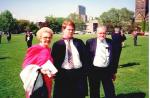
I celebrate all of my friends who are fathers and in particular, my brother Scott, who I respect more than he can imagine for what he has done with my nephew and nieces. That is the true mark of a man. Well done, bro.
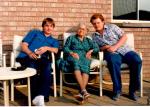
And more personally, thank you Grandad. You meant the world to me. You gave me guidance, you gave me love, you gave me beer when no one was looking. You were not perfect, but that didn’t make you any less a role model.
A wonderful moment this morning as I logged into my blog and learned that good bloggo-patriot Julian Froment had nominated me for the Always Here If You Need Me Award.
As Julian explained, the award was designed to celebrate the love and support you get from those special few in the blogosphere who not only appreciate what you post but also make an extra effort to comment and provide support and feedback.
I am touched that Julian feels this way about me, and likewise, greatly appreciate his support and enthusiasm for my blog.
The rules of the award are:
So, here we go.
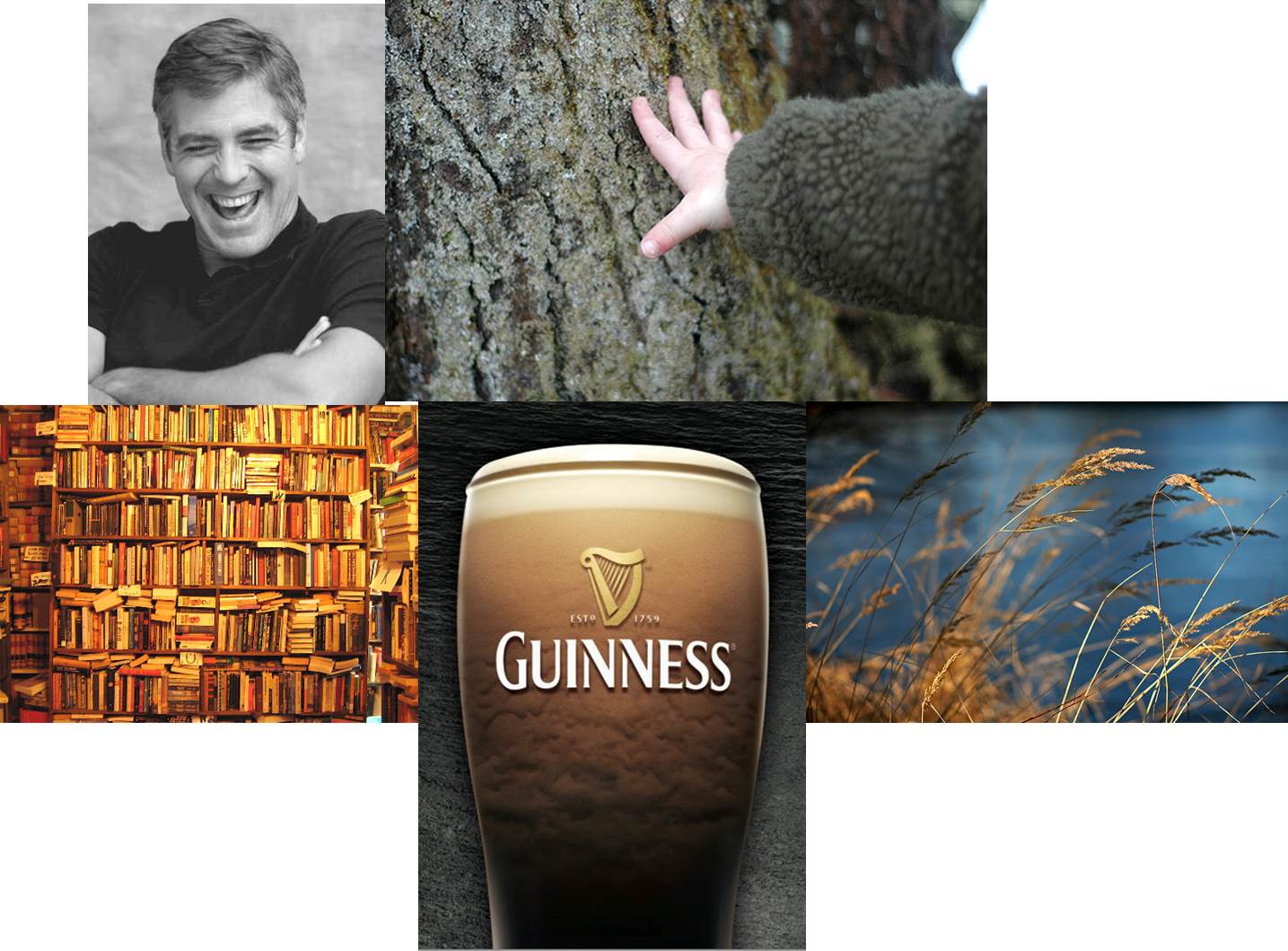
Happy-time station
My supportive triptych
I would of course love to nominate Julian, but that sounds like a feedback loop waiting to happen, so at the risk of nominating many of the same people as previous:
(Images used without permission, because that’s the way I roll.)
Superscript You will believe that a screenwriter can try.
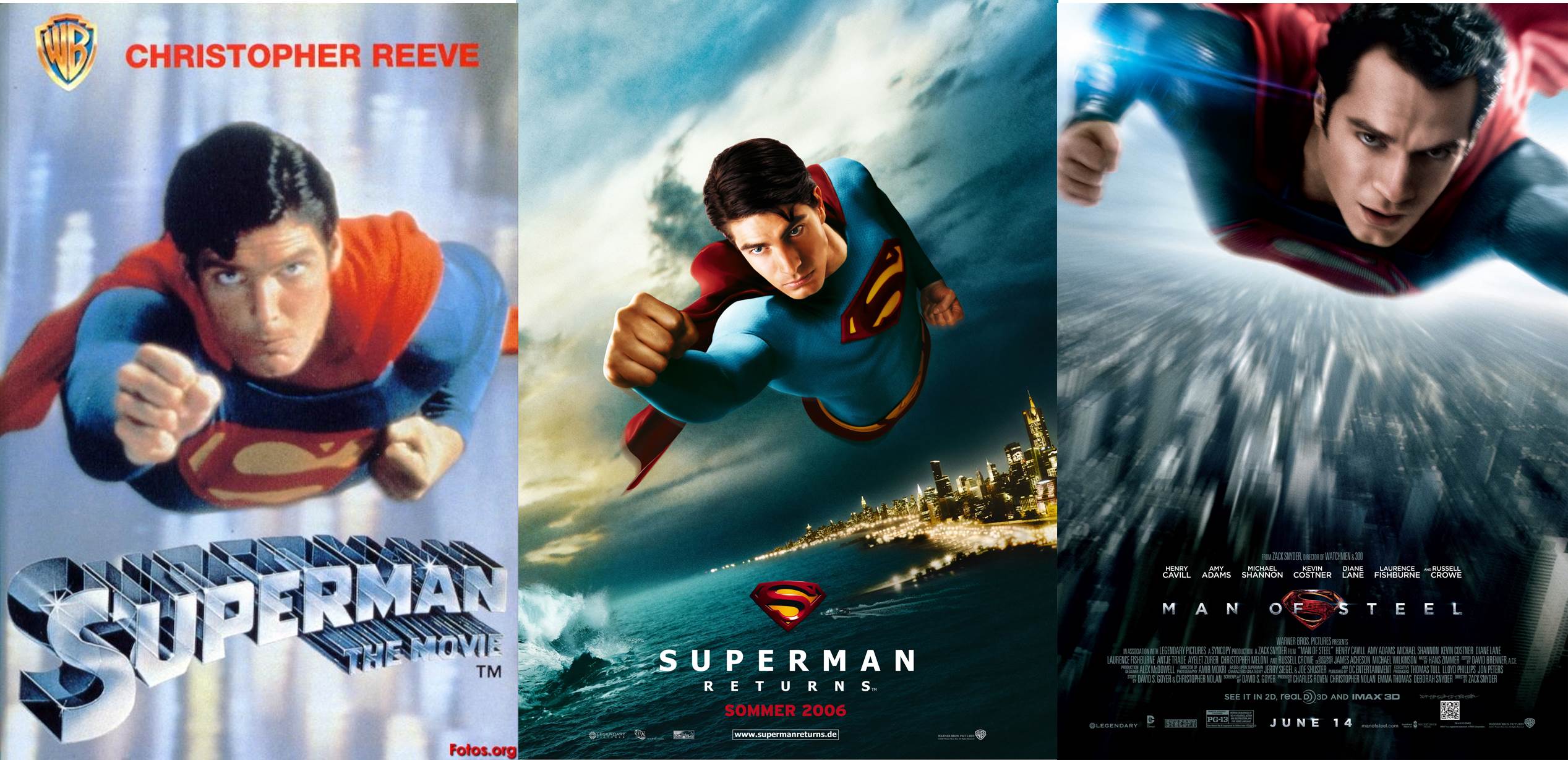
Tonight, I go to see The Man of Steel, the latest reboot of the Superman origin story…but unlike most nights when I go to a movie with friends, tonight I shall take notes, because tomorrow it’s back to the keyboard.
Tomorrow, I will write a screenplay for the next reboot of the Superman origin story.
And then next weekend, I will write a screenplay for the subsequent reboot of the Superman origin story.
And perhaps every weekend after that, I shall write screenplays for subsequent reboots of the Superman origin story.
For, having lately seen Batsmen, Stars Trek and now Supersmen, it would appear that Hollywood only wants what they already know or more importantly, what they already know sells. Originality, it would appear, is anathema in Lotus Land.
In the meantime, I throw my head back and yell: ZOD!!!!!!!!
I spent three days this week wandering the show floor of a conference on stem cells, interviewing scientists and corporate executives for a series of articles I am writing. As this is the first time I have met most of these people, the conversation usually starts somewhat tentative as the people try to figure out how to address my journalistic needs while fulfilling their marketing agendas. This is just the nature of such interviews.
Luckily, I have a secret that tends to break the ice a little. Early in the conversation, I try to find an opening in what they are telling me to relate a personal anecdote or observation about my own scientific training as a protein biochemist—yes, I actually used to be quite smart.
Within seconds, the interviewee’s posture changes, their voice takes on a new timber as they realize that I am a kindred spirit even if my uniform has changed. Suddenly, they know I can relate, and the conversation becomes one between friends or colleagues.
The same holds true for storytelling.
When the reader picks up your novel or short story, the viewer sits down to watch your movie, the initial engagement can be tentative as the reader tries to figure out what you’re doing, where you’re taking them. The reader holds back from completely engaging with you as they wait for that magic moment when they can relate.
No matter how fantastical or mundane your story, the reader must be able to latch onto something, to find a kindred spirit.
More often than not, it is your protagonist—the canonical Everyman or Everywoman—who has some visceral need to fulfill or challenge to overcome. Killing the dragon is the superficial challenge, but damned few of us have had much experience killing dragons. Most of us, however, have fought for the respect of our community or have had to overcome a fear and step forward to take control or responsibility.
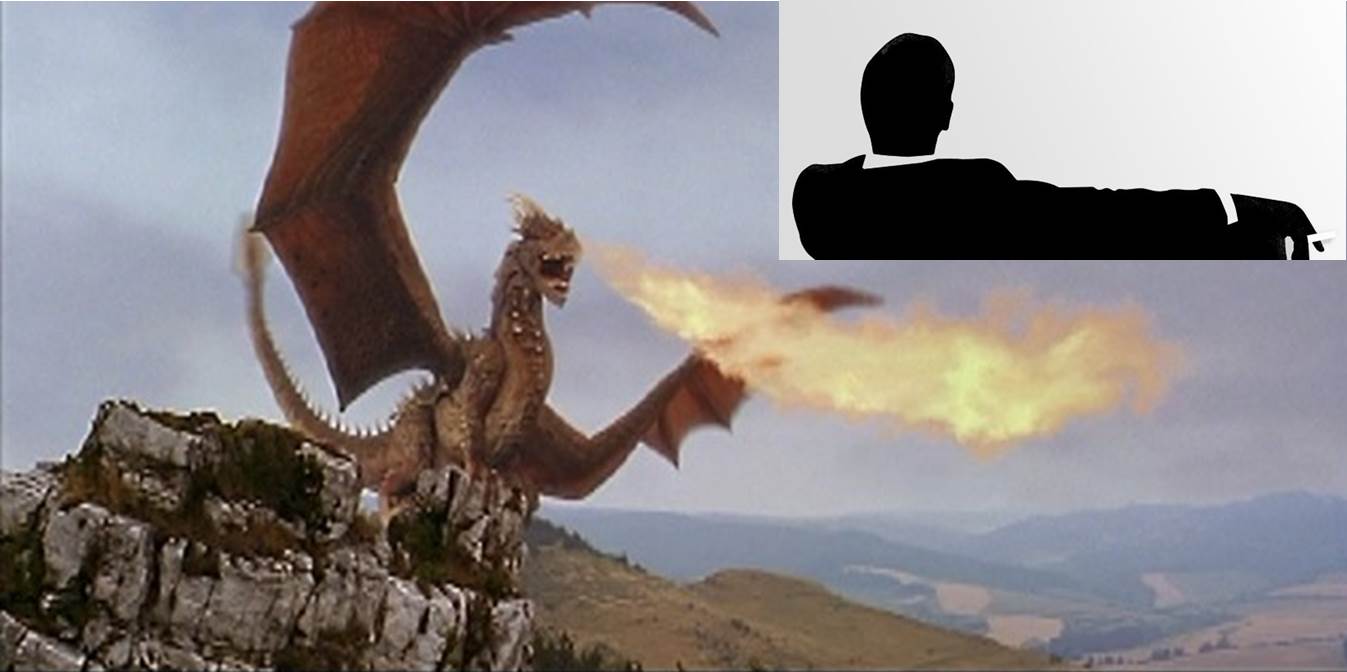
Hell, readers might even relate to the dragon, as in the movie Dragonheart, where Sean Connery’s Draco finally explained that his assaults on the townsfolk were [SPOILER ALERT] his attempts to save the last dragon—him—from extinction.
In the rarest of cases, it may not be a character, but the environment to which someone relates. This is my situation with the series Mad Men. I find it difficult to relate to any of the characters and their hyper-exaggerated soap opera problems. Having spent more than five years in advertising, however, I can relate to the creative challenges within the office. I find myself getting angry or frustrated as I watch pitch meetings or client presentations because of my own baggage.
As a creator of your story, you cannot hope to know everyone who will come across your story. Thus, you cannot—nor should you—build your story to accommodate these varied experiences. You have to tell your story to tell it effectively, but you can broaden its appeal by making sure your characters (and possibly your environment) offer clear parallels to the current human experience. (If your primary audience is dogs or fish, then change the word “human” as appropriate.)
At their most basic levels, what are the human conditions that your characters express or are trying to repress (oooh, subtext)? When you get a good handle on that, you’ll have a better understanding of how relatable your story will be to your audience.
(Images are used without permission.)
My trip wasn’t just about dead people and lost civilizations, of course.
You can’t visit Central America without taking in some of the natural wonders.
PIECES OF ME...
Mother, Nehiyaw, Metis, & Itisahwâkan - career communicator. This is my collection of opinions, stories, and the occasional rise to, or fall from, challenge. In other words, it's my party, I can fun if I want to. Artwork by aaronpaquette.net
Life at any age can be amazing! We only need to grab hold & experience it!
The internet web log of Michael Cedarwood. I used to be a stripper. Now I'm a writer.
Thoughts on creativity, Pharma and whatnot
Mindfulness, Philosophy, Spirituality, Meditation, Awareness, Religion, Nature Photography
Living for Happiness
A perspective from the other side of the hockey ocean
Romance Author
Author of Kritsotopoula, Girl of Kritsa and Rodanthe's Gift
Our opinions don't stink!
Rantings and Ravings on all things Screenwriting and Movies
My Elicits, an Inception... Learning to Live in Perfection