Writing for puppets

Monty meets Muppets!

Monty meets Muppets!

As some of you may know, I am one of the comedy writers for a sketch show called SomeTV!, which is currently in production in Toronto. As our godhead Nic likes to describe it, the show takes the no-sacred-cows approach of Monty Python’s Flying Circus and combines it with the playful anarchy of The Muppet Show (no hubris here, eh?).

Now, for some, that may sound like the greatest writing gig ever. Those some have clearly never written for puppets.

Human actors—or as we call them, Fleshies—can be tricky enough to deal with. Prone to completely misunderstanding the point of a scene or sketch, they tend to have difficulty learning lines that make no sense to them.

Luckily, their natural insecurity, despite the outward facing ego, means that they can be molded into subservience, if only in two- to five-minute chunks, the longest most are willing to go without checking their make-up or cell phones for calls from their managers.

At their core, Fleshies are the rhesus monkeys of the performance world, clinging to each other for some semblance of affection but ultimately willing to give that up for warmth and sustenance.

Not so puppet actors, aka the Felts or Felties.

Flesh v Felt

These are the apex predators of the performance world and should always be treated as such. Sure, they look cute and cuddly, with their giant heads, bulging eyes and disarming colours, but that’s exactly what they want you to think.

You don’t write for Felties so much as start a sentence that is perpetually interrupted with ideas or lines the bastards think are smarter, funnier, crazier.

Fleshies forget their lines because they’re not too bright…Felties “forget” because they are malicious egotists.

Adding to the challenge is the near-impossibility of figuring out a Feltie. He, she or it is the poster-child for multiple personality disorder.

You think you’re writing a scene for a young Spanish girl, when out of nowhere a tall Jovian Codswadder shows up to take the scene in an entirely new direction. (To this day, the only thing I know about Codswadders is they come from Jupiter, where given the crushing gravity, their height makes no sense.)

Not the home of young Spanish girls

NOT the home of young Spanish girls

It’s like dealing with someone with hyperactive comedic Tourettes, and trust me, I’ve taken enough improv classes in Toronto to know what that looks like.

Felties are also astoundingly lazy creatures. Sure, they look frenetic on the television screens, but in reality, these buggers will literally not lift a finger without someone doing it for them. Our show has an entire team of Feltie fluffers whose entire job is to see to the every-last needs of these freaks. We’re talking major OCD: obsessive-compulsive demands.

Trust me, the dictionary writers of the world have the concept of “puppet master” completely backwards.
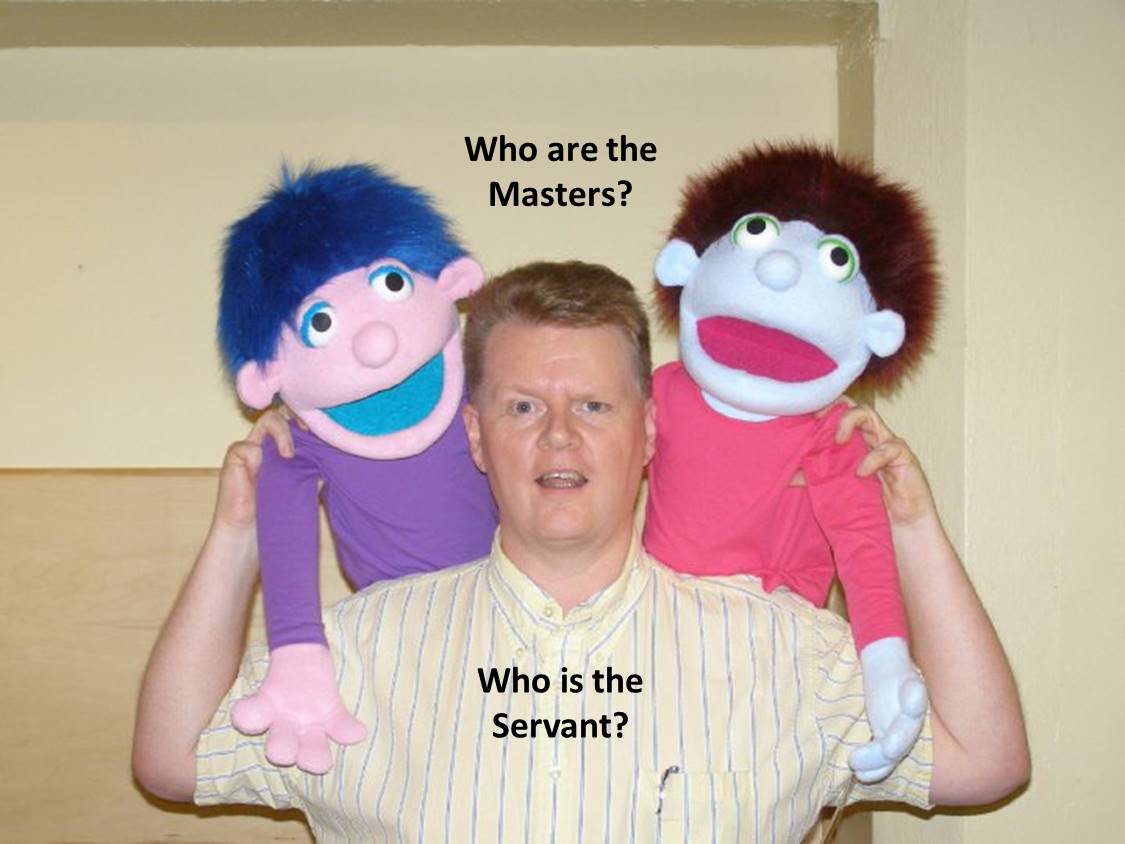
Masterclass

To be fair, the Felties do sometimes come up with lines that are funnier than the stuff I wrote. But on the flip side, they get away with lines that no intelligent Fleshie could ever hope to pull off.

This has two impacts: 1) the Feltie doesn’t have to try very hard to get a laugh, and 2) they can be as crude, rude and insulting as they want, knowing everyone just thinks “awwww, how cute”.

There’s a reason you don’t hear a lot of puppet radio programs…the shit they come up with is repugnant.
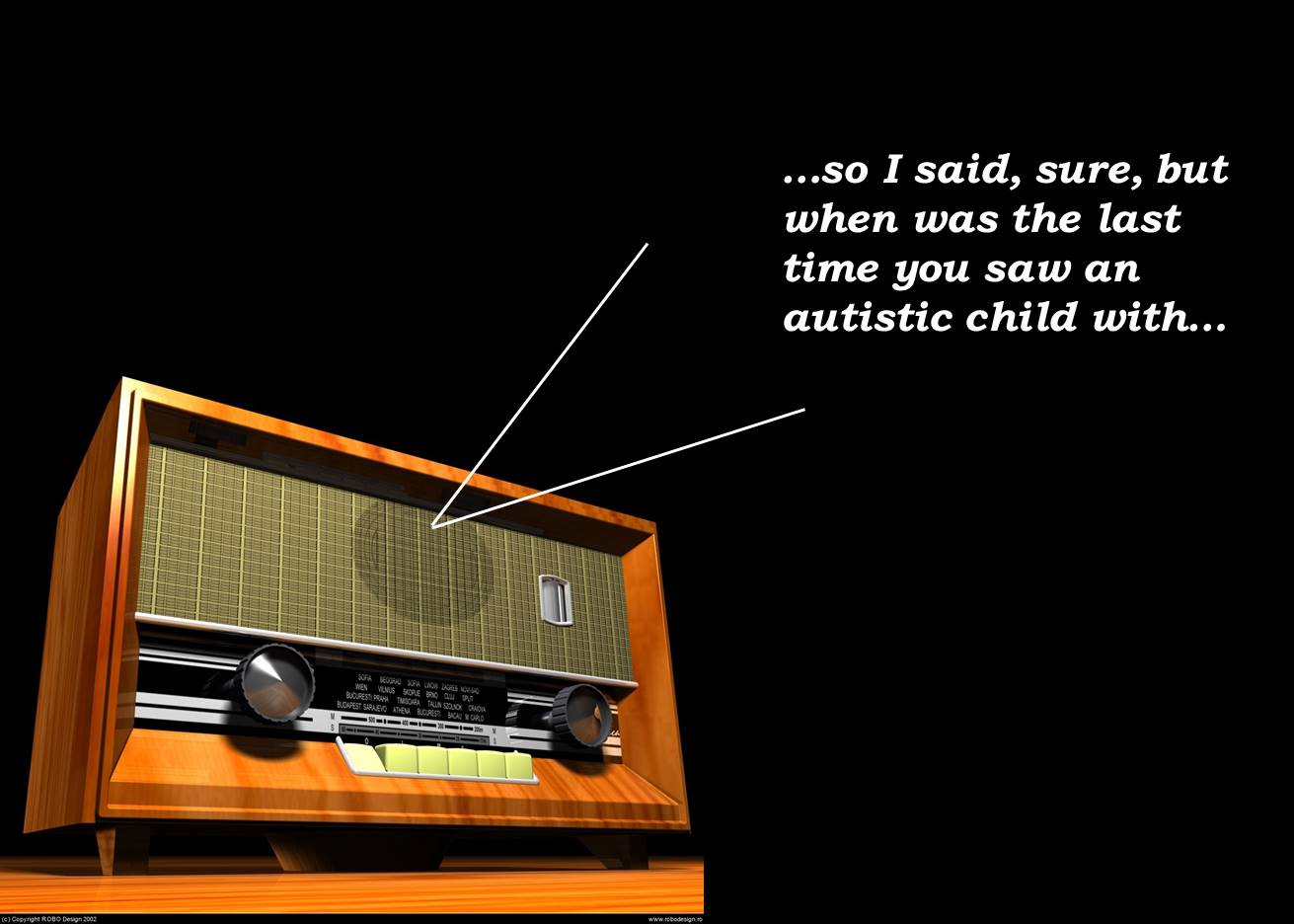
NPR = Nasty Puppet Radio

NPR = Nasty Puppet Radio

So, why do I stay? Why do I continue to write for these self-glorified hand-warmers?

Most days, I don’t know.

But then the rent comes due and I realize that my best chances at succeeding as a “comedy writer” is to have my words (or some semblance thereof) come out of a Feltie’s mouth…and those lint-sucking leeches know it, too.


SomeTV! is being produced by Lemon Productions Inc.

Like us on Facebook: SomeTV!Lemon Productions Inc.

Follow us on Twitter: @SomeTVNews

It’s a sad, sad, sad, sad world

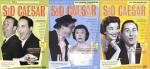
Go to YouTube and search for Sid Caesar.

Right now. Don’t wait.

I’ll still be here when you get back.

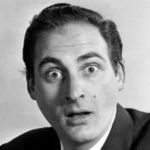
Comedy lost another titan today with the passing of Sid Caesar at the age of 91.

A man who defined television sketch comedy as we know it today.

A man who trained and/or gave voice to some of the greatest comedic minds of the 20th century, including Carl Reiner, Mel Brooks, Mel Tolkein, Danny Simon, Larry Gelbart, Neil Simon and Woody Allen through shows like Caesar’s Hour and Your Show of Shows.

A physical giant, Caesar was capable of playing the brutish husband or the nebbish boyfriend. He brought laughs and tears. And he was the first to let his co-stars shine. Stars like Imogene Coca, Nanette Fabray, Howard Morris and Carl Reiner.

I am confident that all of these people would have influenced my life in one way or another without the likes of Sid Caesar, but he formed the nexus around which my comedic galaxy spun.

Thank you, Sid. Know that you were loved.


Related posts:

My Favorite Life

My Creative Journey

Jonathan Winters


My Favorite Life

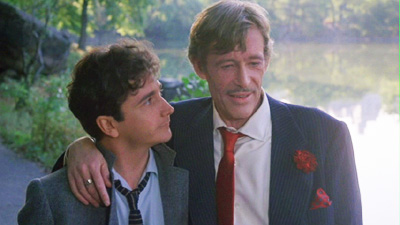
Peter O'Toole as Alan Swan

Peter O’Toole as Alan Swan

The announcement of Peter O’Toole’s death came as a bit of a shock to me. Not so much that he died—he was a very old gentleman—but rather in how it affected me. I felt like I’d lost a friend whom I had not seen in quite some time.

Fairly or unfairly, I give Peter O’Toole a lot of credit for the life that I am leading right now: the life of a creative artist who plies his art with words. You see, Peter O’Toole was the biggest name in a little movie that might not have seen the light of my consciousness had he not been in it.

The movie is My Favorite Year.

My Favorite Year poster

For the uninitiated (For shame, Swanny), the movie tells the story of a couple days in life of a budding young comedy writer working in the 1950s on the King Kaiser Show; a clear homage to Sid Caesar’s Show of Shows. On the day the movie opens, Benjamin is going to meet his greatest hero, fading matinee idol Alan Swan; a clear homage to Errol Flynn. Unfortunately, Swann’s star has faded into alcoholism and practical destitution, and it becomes Benjamin’s job to keep Swann sober enough for the live television performance. The rest is a love story between these two men; one ascending, the other wishing he were dead.

If that doesn’t want to make you see the movie, you’re dead yourself.

The thing is, for all the university science degrees and work I had done, my life was incomplete. What I didn’t realize right away upon seeing My Favorite Year—mostly because the young are stupid and blind—was that I desperately wanted to be Benjamin. More accurately, I WAS Benjamin, I just didn’t know it.

Benjamin Stone stares lovingly at his idol and now friend Alan Swan

Benjamin Stone stares lovingly at his idol and now friend Alan Swan

I was a creative writer. I was a comedy writer. But I didn’t know how to express it beyond my own personal doodlings. And even if I had, science seemed the more rationale move (btw, I love science…really, I do).

As I’ve related in previous posts on my creative journey, it wasn’t until my wife took me aside one day and cornered me into answering what I wanted to do more than anything that I realized and embraced my inner Benjamin.

My life of today was still about a decade away, but that moment, that recognition, that admission started the ball rolling.

I had a visual to go by, a guide. I couldn’t go back in time to write for a 1950s sketch comedy show, but I could work toward the modern equivalents.

The other posts will tell you what I did, but without having seen My Favorite Year, I might not have been able to articulate my dream that fateful day.

And without Peter O’Toole, there might not have been a My Favorite Year to see.

So thank you, Mr. O’Toole. Aside from being one of the finest actors to walk this stage, you made dreams come true. This dreamer will be eternally grateful.


Links of possible interest:

My Favorite Year trailer

If I were truly plastered (scene)

This is for ladies only (scene)

Who the hell is Niblick? (scene)

(Images are property of owners and are used here without permission, but a lot of love and gratitude)

Puppet Up! visits Toronto (UPDATED)

PuppetUp! logo

As some of you know who’ve watched this space, I am fixated on puppets and improv and so, several months back, I started a social media campaign to bring Puppet Up! uncensored to Toronto.

For the uninitiated, I recommend you click the link to see what this show is all about. Briefly, however, it is the Jim Henson Company taking their puppetry genius and applying it to a largely improvised comedy show designed for adults.

Well, shortly after starting my campaign, the Henson Company announced the show was coming to Toronto. While I realistically have to believe the wheels were in motion long before I started whining on Facebook and Twitter, I will happily claim responsibly for them coming.

In the weeks leading up to the show, like a 15-year-old girl at a Bieber concert, I followed everything PuppetUp! on TV and online. I tweeted with the show organizers on an almost daily basis, and then when one of the puppeteers (Grant Baciocco) made the mistake of letting the world know he was in rehearsals, the stalking began.

PuppetUp! shines into the night

PuppetUp! shines into the night

My first show was opening night (October 22) and within seconds of the lights going down, my mind was completely blown! This was everything I imagined and then some. It was everything I had in me not to run down from the balcony, up the aisle and onto the stage, grabbing a puppet as I passed the wall of hollow bodies. As one, the audience laughed, cringed, oohed and ahhed at the antics that both sent up and paid noble tribute to the late Jim Henson.

But then, dear god, I found out that you could have your picture taken with some of the puppets after the show…I am proud to say I did not swoon (on the outside).

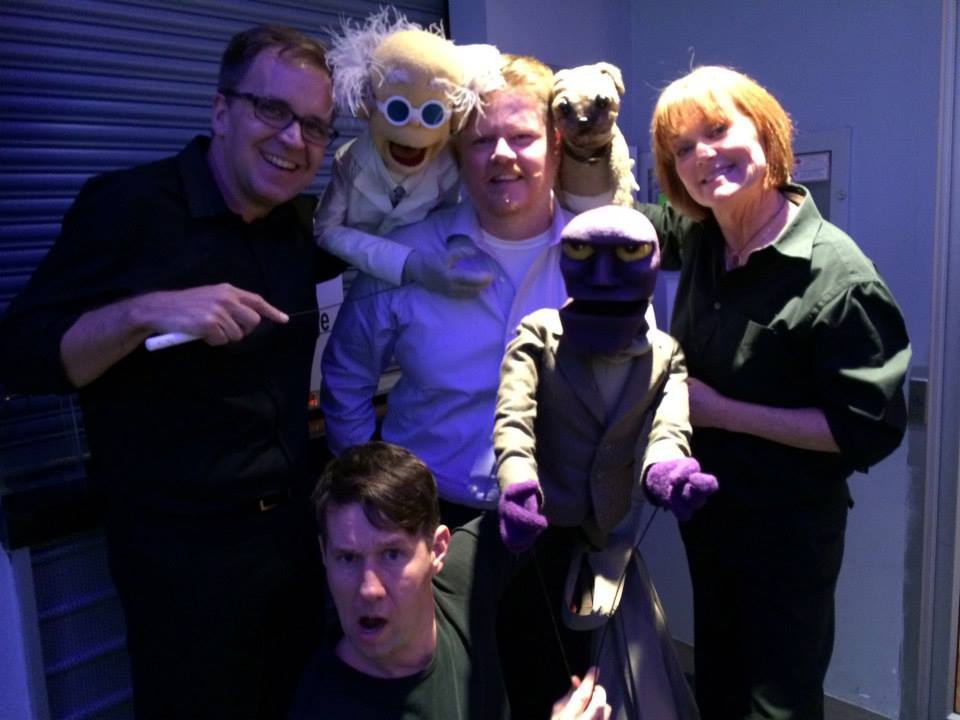
(L-to-R) Brian Clark, Grant Baciocco and Peggy Etra surround me with puppet love

(L-to-R) Brian Clark, Grant Baciocco and Peggy Etra surround me with puppet love

Opening night was going to have to hold me for another week as 7 hours after the lights came up, I was in a cab, heading to the airport and a week-long date with the Austin Film Festival. The conference was great but I positively bounced at the idea that when I got home, I had two more shows to see…the final weekend matinees.

Sitting at the feet of the master

Sitting at the feet of the master

On Saturday (Nov 2), there I was, second row, stage left…effectively at the feet of show co-creator and host Patrick Bristow. Rather than have to squint at the puppeteers and watch the big screens, I now had close up access to the puppeteers, who became more fascinating than what was happening onscreen, to me. The show was great, although a few of the bits in the first act failed…which made them even funnier. It was in that show that I truly fell in love with the talent of puppeteer Colleen Smith. WOW!

And it was after that show that I finally got to meet Grant Baciocco, who was as charming and affable while wielding a camera as he was on Twitter.

Brian Clark and Peggy Etra welcome me back (Grant Baciocco on camera)

Brian Clark and Peggy Etra welcome me back (Grant Baciocco on camera)

My love and enthusiasm for this show was so big that I decided there and then that I had to buy tickets for the final show and I had to bring two friends along for me even though it would mean going out of pocket. I was so tickled, I had to share this with people. Texting madly to check my friends’ availability and enthusiasm, I then popped open my laptop and purchased the best available tickets for the Sunday, 8 pm show for all three of us.

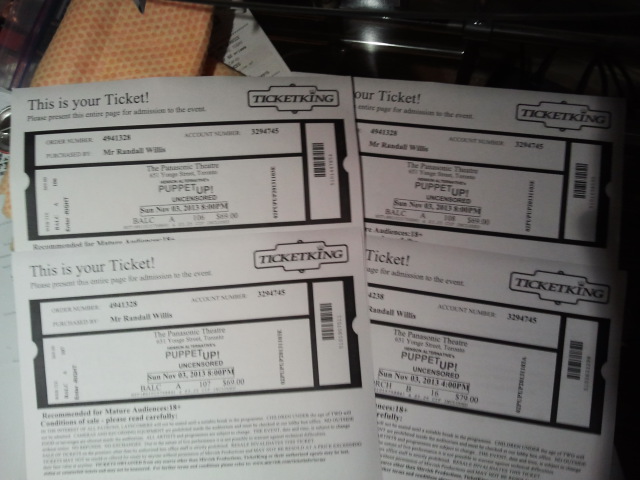
Matinee ticket and 3 tix for the final performance

Matinee ticket and 3 tix for the final performance

Then came the show on Sunday (Nov 3). Again, sitting at Patrick Bristow’s feet. Shouting suggestions left, right and centre. Feeling like we were developing a bond, even though I knew he probably couldn’t see more than two feet into the audience.

Nary a flaw in this show. The musical numbers popped. The classics practically brought tears. Colleen and Grant were amazing. Brian Clark, Peggy Etra, Michael Oosterom and Ted Michaels were on fire. And I got to add Michael to my photographic portfolio of puppeteers.

(L-to-R) Was able to add Michael Oosterom to the list of puppeteers with Brian Clark and Peggy Etra (Grant Baciocco on camera)

(L-to-R) Was able to add Michael Oosterom to the list of puppeteers with Brian Clark and Peggy Etra (Grant Baciocco on camera)

To make the afternoon even more special, as I waited in line at a nearby restaurant to grab dinner between the 4pm and 8pm shows, who should walk in behind me other than Patrick Bristow. Still needing a picture with two of the puppeteers, I couldn’t die quite yet, but I was getting close. Patrick was wonderful and charming and was nice enough to pose for a photo.

Patrick Bristow and I await dinner near the theatre (no earthquake, just shaky camera)

Patrick Bristow and I await dinner near the theatre (no earthquake, just shaky camera)

So here we are. Eight pm on Sunday night. I met Leela in the foyer of the theatre and left the ticket at Will Call for my friend, Michael. If I vibrated any faster, I might have been able to pass through walls. I was going to get to share this with two really important people in my life. This was my birthday gift to me…sharing PuppetUp!

There were a couple bumpy bits in the first part of the show, but it was still amazing. And the closing half was A-FIRKIN-MAZING! Every bit went perfectly. Even from the balcony, Patrick would take my suggestions (I was in the balcony, not Patrick). Leela, who is a tough comedic audience, laughed raucously throughout the show (high praise if any of the PuppetUp! people are reading this).

Leela and Michael were both great to hang back with me…I wanted to be one of the last people to get my photo done tonight so I could let everyone know how much I appreciated their performances and talents. And beauty of beauty, the entire cast was out for photos on the last night. I was going to complete the set of puppeteers for the photo.

Finale photo with (L to R) Brian D Clark, Michael Oosterom, Ted Michaels, Colleen Smith. Buried is Peggy Etra, and Grant Baciocco is on camera duty.

Finale photo with (L to R) Brian D Clark, Michael Oosterom, Ted Michaels, Colleen Smith. Buried is Peggy Etra, and Grant Baciocco is on camera duty.

As I was waiting for my turn, Patrick passed through the lobby and asked me to hang back. Interesting.

After having my picture done and convincing my friend Michael to get his done, Patrick came out from a back room and handed me a puppet from the concession stand as thanks for all the support and enthusiasm I offered them while they were in Toronto. Nice! She (the puppet is a girl) is sitting on my desk as I type this.

The new lady in my life thanks to Patrick Bristow and the folks at PuppetUp!

The new lady in my life thanks to Patrick Bristow and the folks at PuppetUp!

I was able to shake everyone’s hand and let them know how much I enjoyed knowing them. I am currently hooking up with many of the puppeteers on Twitter and Facebook. And have promised them all that I will initiate the next social media campaign to get them to come back to Toronto.

Based on their experiences in Toronto, both in the theatre and on the town, I think they’d be open to the idea.

And now, sadly, PuppetUp! has left Toronto, but not without leaving an incredibly big mark on my heart. Thanks, folks. It was a special couple of weeks.

The First 10 Pages – Austin Film Festival

Lindsay Doran

For a new screenwriter trying to break his or her way into the film or television industries, one of the toughest tasks is getting someone to read your script. But even if you can get someone to crack that front page, the job isn’t done. You have to catch the reader’s attention and you may only have 30 or 10 or maybe a single page in which to do so.

At the 2013 Austin Film Festival in October, producer Lindsay Doran presided over a session called The First Ten Pages, which examined the opening pages of five scripts from people who had submitted to the screenplay competition. Below are some of her general thoughts on telltale trouble spots.

1. Boring title: From the cover itself, the title should grab the reader’s attention. Ideally, it will trigger a question in the reader’s mind or play with the reader’s imagination. Can you imply action or hint at something interesting inside. Don’t be vague or boring.

2. Story doesn’t begin: So often, the writer spends the first ten pages simply setting up the real world and its cast of characters that he or she forgets to actually start the action of the story. Without starting the story, you risk boring the reader.

3. Not actually a comedy: Presumably, she is talking here about comedy scripts that aren’t comedic. Funny is subjective, but is the movie actually a comedy or light drama, which Doran described as a bad place to be. If the writer is heading in that direction, perhaps it is better to write a drama that incorporates humour as a form of relief or due to specific characters.

4. Unlikeable main character: Not to say that the protagonist has to be a good person, but that the reader has no reason to root for him or her. Show us the human side of the protagonist that helps to explain why he or she is redeemable or needs the reader’s support.

5. Too many characters: One script Doran reviewed introduced 7 characters on the first page alone, which aside from being a lot to take in, left the readers with little sense of who the protagonist in the story was. As well, it was difficult to determine how these multiple characters related. Even with an ensemble piece, it is possible to introduce the characters more slowly, perhaps only introducing one subplot at a time.

6. Obstacles without stakes: While it is important to present the protagonist with challenges, the rising conflict, for the reader to engage in the story, those challenges must have important implications to the future of the protagonist. Delaying the protagonist from making it to the office is one thing, but make sure the reader understands why it is so important for the protagonist to make it to the office and what happens if the character doesn’t.

7. Confusing: Doran suggests there is a fine line between intriguing and confusing. If the reader finds him or herself lost while coursing through the opening 10 pages, he or she is unlikely to press further into the story.

8. Transparent exposition: On the flip side, make sure that any important bit of information is woven within the fabric of the narrative and/or dialogue and not simply plopped on the page. Clumsy, transparent exposition lifts the reader out of the story simply because it doesn’t flow and almost seems like a side thought.

9. Comedy based on a superficial world: Again, assuming a comedy, does the writer really understand the world she describes or is she simply aiming for cheap, cliché laughs at a well known environment and archetype? The Devil Wears Prada is a good example of a movie that went deep inside the fashion industry and avoided the superficial jokes about models, designers and photographers.

10. The three most terrifying words in the history of the American screenplay: Here Doran was being a bit playful, but wanted to make the point that it is difficult to get people to read a screenplay about a mature woman from outside the United States. Any one of those protagonist features is hard enough to promote, but to have all three is screenplay suicide, according to Doran.

Alas, Mel Smith

Image

Today, I would like to commemorate the legendary comic genius that was Mel Smith, who passed away this past week.

And he was a legend…in the sense that his story offers a scintilla of fact ham-fisted into a pasty-white pasty shell of human dung perpetuated by self-immolating vivisectionists with personal hygiene problems and a fetish for peat moss.

For those of you who didn’t know him, Mel Smith was a kind, gentle, giving man who would go out of his way to help the less fortunate.

For those of us who did, however, know him, Mel Smith was a fucking asshole. Wouldn’t give a toss about anyone even if they offered to wank the bugger themselves. As nasty a piece of shit as Britain has ever produced, and remember, these include the Thatcher years.

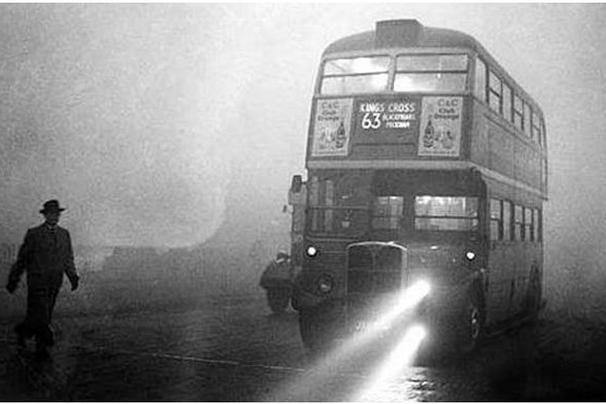
Mel Smith was born in West London on December 3, 1952, presumably from the uterus of a woman who had shagged a large black ram during some pagan ritual the previous March. No one is quite sure why he chose this day, but some have tried to link his birth to the great smog that swept over London the very next day, killing upward of 12,000 people.

Image

A right bloody bastard he was.

Over the next several years, Mel Smith attended a variety of schools where he was considered a bright pupil. Unfortunately, the ability to shoot light from your eyes is not one of the criteria to succeed in A-levels and Smith’s general lack of intellectual acuity—it is rumoured he had the IQ of retarded tapioca—meant he was only able to attend Oxford.*

It was while attending Oxford that Mel Smith learned he had a knack for convincing himself he was funny, and through sheer perseverance—and a gun—he caught the eye of director John Lloyd. Lloyd, who was fond of both of his eyes, immediately gave Smith a role on the hit comedy television series Not the Nine O’clock News.

Image

BBC audiences, however, quickly concluded that this was also Not the Funny Comedy Program.

Blaming everyone but himself for the demise of the careers of people like Rowan “Who” Atkinson, Smith beat up the little Welsh kid on the show—Griff Rhys Jones (talk about your Dumbledork)—and started a hard new series that took a satirical look at Islam called Allah’s Smith and Jones.

Two days into the fire bombings, a slight change was made to the title of the show, now Alas Smith & Jones. The ampersand saved the day.

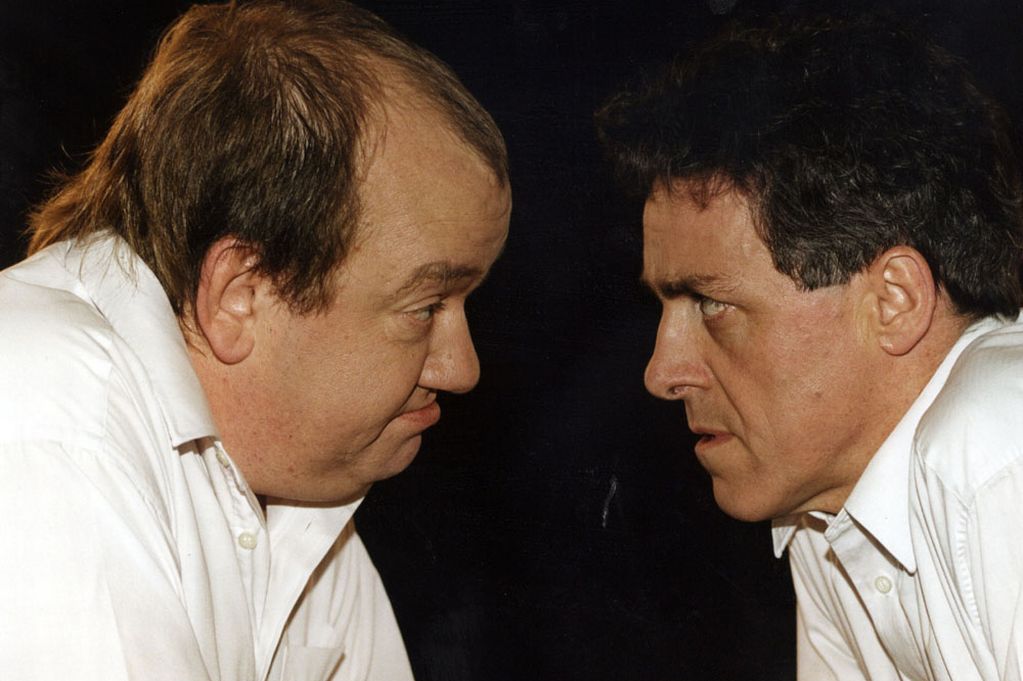
Out of the gate, critics were harsh. “Who are these two wankers who do nothing but mumble to each other from 3 inches?” “Kiss, already.”

Image

But the British public ate it up.

Since the fall of the Empire, they had pretty much been doing the same ruddy thing every night, smugly satisfied in their fetid shanties that they didn’t have to get bloody malaria just to find a decent curry.

When the show finally went off the air—nobody knows exactly when, because to be honest, nobody could stomach more than 20 minutes of that shite—Jones wandered off, never to be heard from again, except as that sad ugly bloke who would masturbate monkeys on Whose Line Is It Anyways?

Smith, however, dragged his bloated carcass to Hollywood, where he was met with rave reviews like “What is that prick doing to my dog?”, “Can human beings really sweat that much?”, and “Did Charles Laughton just take a shit on my lawn?”

On January 7, 2001, Mel Smith’s career was declared dead. His body, however, continued to function until July 19, 2013, when Mel himself passed away from a heart attack. The news sent shock waves through the British comedy community, both of whom expressed surprise that Smith even had a heart.

Smith leaves behind pretty much everybody who didn’t die on or before July 19, 2013.


*Ed.’s note: It has since been verified that even retarded tapioca can gain attendance at Cambridge. We thank Hugh Laurie for the correction and apologize for printing the aforementioned rumour.


Thanks Mel


[Images are property of owners and are used here without permission because that’s what Mel would have wanted…and frankly, I don’t give a toss.]

The writer who… (UPDATED)

As an advertising copywriter, I was constantly called upon to summarize a client’s product with a single line, as few words as possible that would capture the brand essence of the product or service. The almighty tagline.

As a magazine writer, I am also called upon to summarize the stories I write into a sentence or fragment. Something that will give the reader the kernel of the story so they can decide whether they want to read it or move on.

And finally, as a budding screenwriter, I am asked to summarize my entire story in a single sentence so prospective producers can get my idea and see the possibilities, artistic but mostly commercial.

And yet, with all of this practice in concise summarization, there is yet one product that eludes my abilities: me as a writer.

At last year’s Austin Film Festival, during a session on how to work the festival, the Langlais brothers—that’s how they describe themselves, but Gene and Paul, for the record—challenged each of us to define ourselves in a single sentence as “the writer who…”. They suggested that if we could define ourselves as producing one type of screenplay, it would make it easier for producers and directors to wrap their heads around who we were and where to go when they needed that kind of screenplay. Call yourself something and then be the best that you can be.

The challenge for me was that I couldn’t even decide on a medium or genre, let alone determine what types of stories I wrote.

About the only medium I have not yet written for is radio and that’s more the result of lack of opportunity than lack of interest.

I am naturally inclined to write comedy, but my last two screenplays have been family drama and murder thriller with the possibility of a horror on the horizon.

For nine months or so, the question has plagued me. I am “the writer who…”

Recently, however, because of a screenwriting course and completely separate conversations about life with a friend, I have had a bit of a breakthrough, if not an actual answer.

Maybe, I’m looking at this challenge on the wrong level. Rather than focusing on the details of what I have done—genres, media, angles, etc—I need instead to take everything I have done to its most basic level. Stripped of the decorative details, what is the essence of what I create?

What is at the core of my favourite comedy sketches? My screenplays? My television shows? My magazine articles? And what am I doing that makes it mine?

I still can’t tell people I’m “the writer who…”, but I think I’m a little bit closer.

(Image is property of owner and is used without permission, about which I am of two minds.)


UPDATE

Interestingly, the Canadian film organization Raindance Toronto just posted an article called Creating a Personal Genre. Although aimed at filmmakers, the article clearly has overtones of what I presented above. Check it out.

Follow me on Twitter…if you dare

Image

I’ve decided that Twitter is the Vaudeville of social media…a string of idiotic one-liners and naughty puns shared between mostly drunken people in the wee hours of a debauch.

So, with that as our premise, I invite you all to follow me on Twitter either directly or via the new widget I placed on the side of my blog page.

On a daily basis, you will be assaulted with mental non-sequiturs, snide comments about local and world news, the odd unitribe (140 character limit doesn’t allow a full diatribe) and general stupidity that only Twitter can provide.

The critics have spoken:

  • Dude, you Tweet a lot!
  • Jesus, where the hell do you come up with this stuff????? lololololol
  • Hahahaha stop, your making me act like a fool in front of these intellectuals. Your tweets are just too funny.
  • No, dude, seriously, you Tweet a lot. You need help. Professional help.

Go ahead. Feed my paranoid feelings that I’m being followed.

PS I think I’m only one or two social media connections from bringing down the entire Internet. Mwahahahahahahaha!

(Image is the property of Sterling Communications and is used here without permission.)

It’s a meme!

You never know what will take the internet by storm, only that every intellectual eddy has the chance of becoming a hurricane of the ludicrous. Case in point, the myriad variations on Star Wars’ General Ackbar and his sudden realization that “It’s a trap!”

Image

In the interests of short-cutting this process, I have tried to come up with a definitive list of variations of this meme for future use by one and all.

PS By the very nature of stating “definitive list”, you will immediately come up with others, so please feel free to add.

(I suck at graphic design, so I have not attempted to mock up any of the General Akbar memes I list below.)

It’s the clap! – Dr. F. Ackbar, family doctor

Use the flap! – Henry Ackbar, frustrated dog owner

There’s an app! – Simon Ackbar, computer nerd

Here’s your Pap! – Dr. G. Ackbar, gynecologist

Cut the crap! – Jodie Ackbar, frustrated wife

Mind the gap! – Eddie Ackbar, metro/subway driver

I played Hap! – Willie Ackbar, unemployed actor

Touch your lap?! – Candy Ackbar, stripper

Read the map! – Sir Edmund Ackbar, adventurer

Need a nap! – Old man Ackbar, old man

Want the wrap?! – Tootie Ackbar, waitress

Suck the sap! – Angus McAckbar, maple sugerer

Lick the strap! – Mistress Ackbar, dominatrix

Dis ma rap! – Big Daddy Ackbar, home boy

What’s on tap?! – Jessie Ackbar, Ackbarfly

Shut yer yap! – James Cagney Ackbar, mobster

It’s a snap! – Fast Eddie Ackbar, informercial host

Take a slap! – Jacques Acqbar, hockey coach

Please don’t….ZAP – the late Ensign Freddie Ackbar, red-shirted Starfleet cadet