NaNoWriMo words than I expected

81K

This year, I participated in my second NaNoWriMo (national novel writing month) competition, although the word competition is a bit of a misnomer but love-fest sounds a bit Sixties.

The last time, about three years ago, I got about a week into it before the realities of life interfered and everything stalled. This year was different.

While the realities of life have generally been pretty easy on me, I did have two solid weeks of distractions in the middle of November (yay, paying distractions) and still managed to reach the goal of 50,000 words by my birthday near the middle of the month (and while on the road).

Unfortunately, because I have never met a 50,000-word story that couldn’t actually be 200,000 words, I am not yet at the end of my story or my novel and so continued to type actively for most of the rest of the month to finish the competition/love-fest/creative circle-jerk just shy of 81,000 words.

I want to pat myself on the back for getting this far (and eventually, I will) but the problem is that having gotten this far, I want to reach the end of the novel, and so on December 1st, 2014, I begin what can best be described as Mo’NaNoWriMo.

And if I’m still not finished by New Year’s Eve, then I shall welcome in the New Year singing:

MoNaNo, MoNaNo, MoNaNo!

Thanks to all of my friends who have been so supportive throughout this process…especially those of you who have no idea what I am doing or why.

Let all y’all know how it goes!

Thera cover


Synopsis

At the height of its power, the Minoan civilization ruled the Mediterranean Sea, establishing trading colonies throughout the region and venturing into the dangerous waters of the Atlantic. But unknown to its rulers and priests, the Earth itself was planning an end to the empire; an end that centered on the tiny colony of Thera, the present-day island of Santorini.

The story Thera bears witness to this cataclysmic end through the eyes of a young Mycenaean boy Patroclus, taken from his simple village on the coast of Greece as unwilling tribute and slave into the Minoan court. Patroclus quickly learns the machinations that hold the Minoan world together, but just as he recognizes his opportunity for escape, his world is threatened by Nessa, his Minoan Master’s daughter who sees something special in him.

The clash of cultures takes second stage, however, as the world itself begins to change shape. Only Patroclus seems to be aware of the scale of the omens, adding urgency to his survival plans and conflict over how to deal with Nessa.

See also: Thera–Describing the end of a world
Most Outstanding Matrons (MOMs)

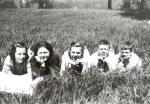
Because all the cool kids are doing it, I wanted to briefly raise a glass (okay, coffee mug) to some of the MOMs I know.

If you did not make the list, it is probably only because I do not have a photo of you…please know how much respect I have for you and the sacrifices you have made to raise those biohazardous containers of goo more commonly described as children.

Faces of the ROM

I have been on a face kick of late, watching sculptures, paintings, images for signs of life and personality. My recent trip to the Royal Ontario Museum was no different.

Forgotten tribute

Railway 4

A nation born

On the backs

Of men not welcome.

Forgotten thanks

Never remiss,

Never too late.

Humble peace for your

Nation-building sacrifices

[Dedicated to the sacrifices of the Chinese population within Canada as they helped build the railway system that connected the country shore to shore, as commemorated in an art instillation in downtown Toronto]

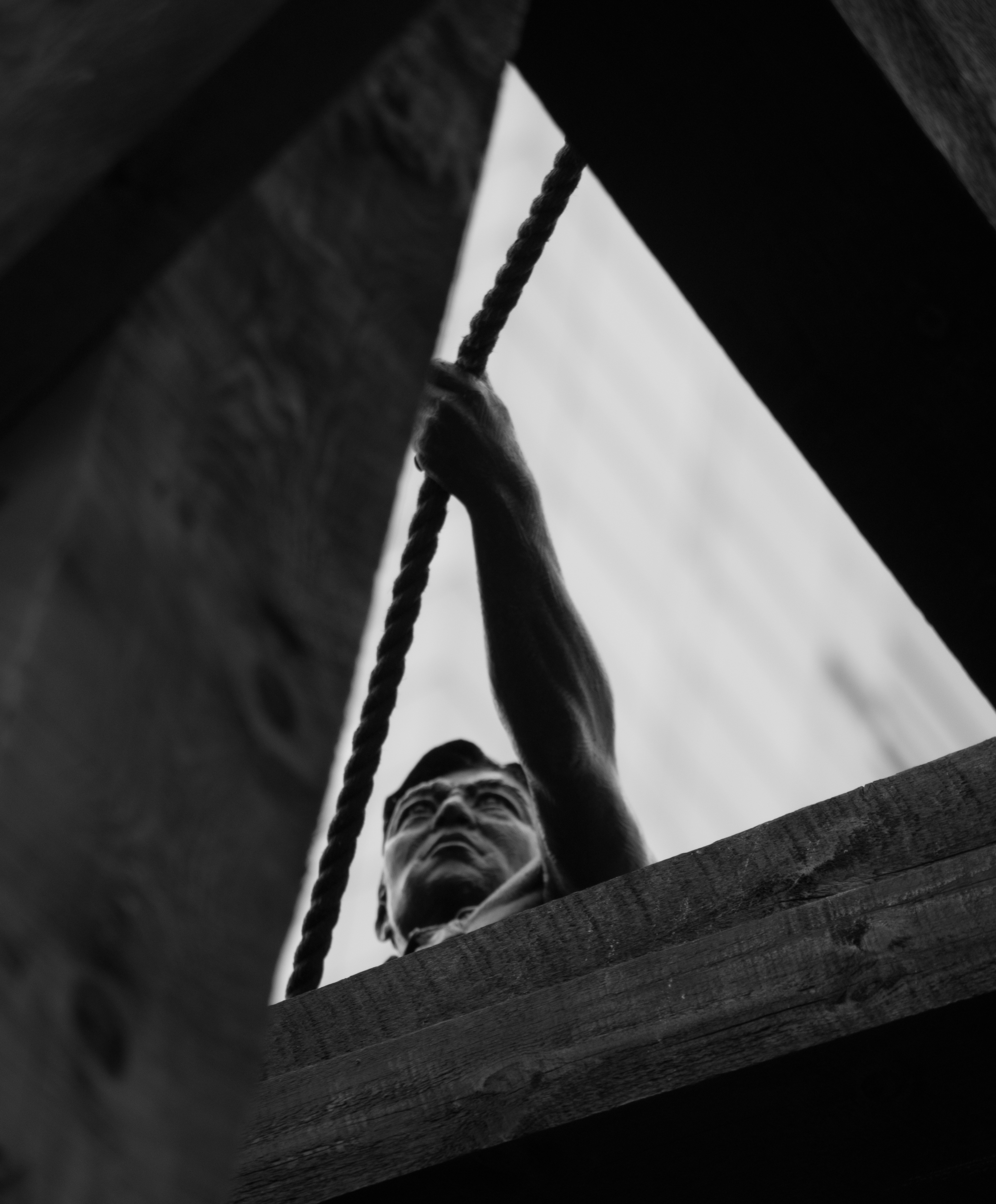
Building a trestle, the basis of a bridge perhaps

Building a trestle, the basis of a bridge perhaps

A lone man stands in the line of fire should that rope fray

A lone man stands in the line of fire should that rope fray

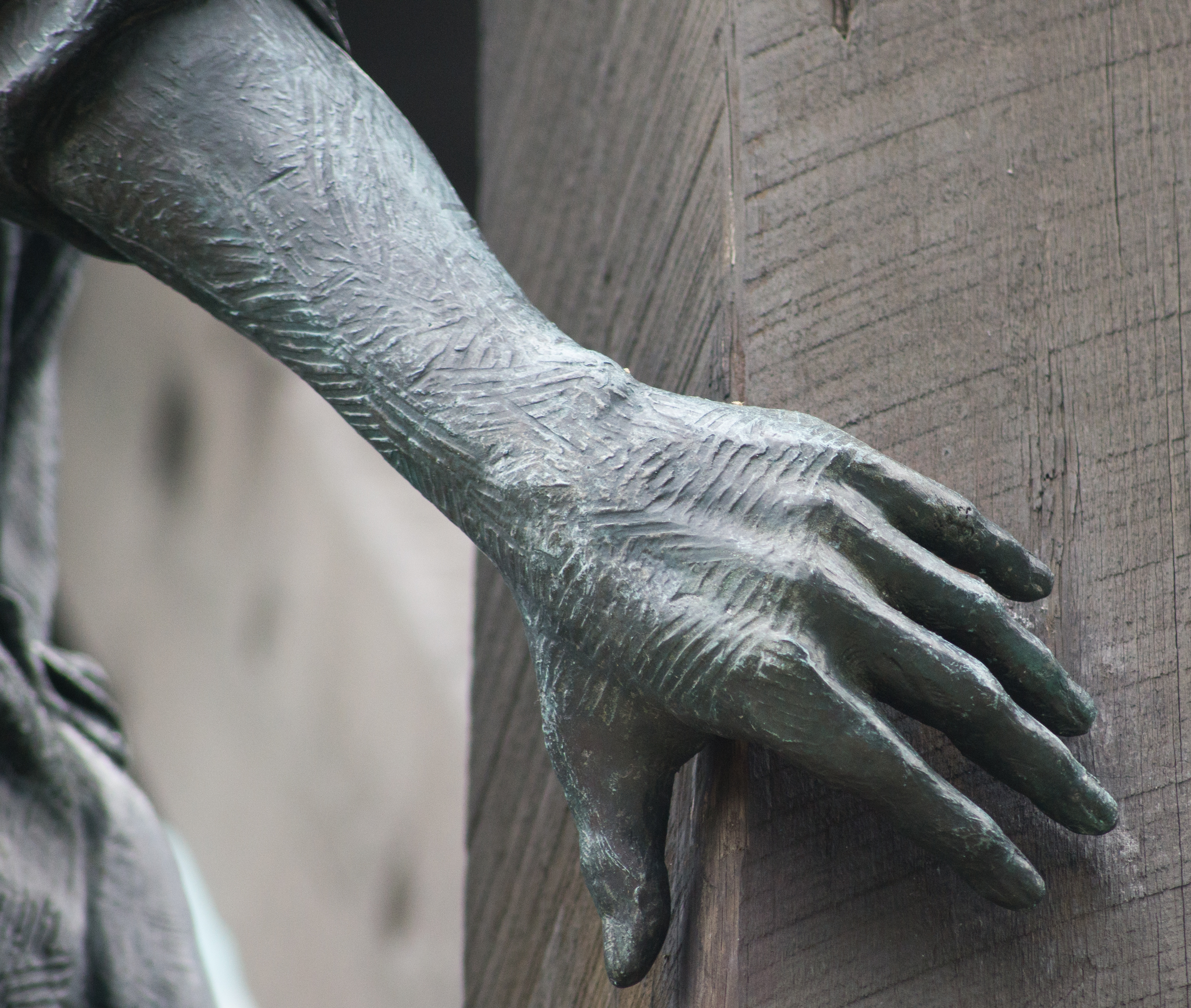
His safety harness, a lone hand

His safety harness, a lone hand

Awake with love – Canada

Image

I have been a very lucky man.

I was lucky enough to be born in a great country. In my almost 50 years, I have not known war. When I have been sick, I have been able to find treatment. When I have been poor, I have been able to find support. When I have been lonely, I have been able to find friends. And a lot of that is because I live in Canada.

Canada is not a perfect country—it is no Shangri-La—but it is a good proxy. And today, July 1, it is 146 years old.

Being so free, however, I have often been complacent about how good things are for me. I have forgotten what went into creating this haven. Forgotten how my life has compared to those living elsewhere.

One of the great things about living in a cosmopolitan centre like Toronto is that I get the opportunity to meet many of the people who started elsewhere.

Several years ago, in the span of just a few months, I played host to a couple of post-doctoral researchers who came to Toronto to work at the Hospital for Sick Children. One was a researcher from Moscow, the other a student from Beijing. Both rented a room in my house, and while the rent money was nice, the life lesson was more valuable.

Wei marveled at the space available in this thriving metropolis; that he could go for a walk and find places where he saw no one. He also marveled at the speed and insanity of NHL hockey on Saturday nights (just because it’s cliché doesn’t, mean it’s untrue).

Sergei was reminded of home in some ways, and amusingly found Torontonians a bit repressed (ah, our Scottish banker roots were showing through). At the same time, when I informed him that yes indeed, public consumption of alcohol was illegal in our parks, he marveled that no one stopped him or that the police didn’t arrive suddenly. And he was grateful at the open welcome he received from everyone including my family. Our cookies were a little stale, but then, I didn’t have the heart to tell him that he’d mistaken dog biscuits for cookies (we call them Sergei cookies, now).

As I would listen to both of these men recount their lives back home, I gained a new appreciation for what I had…and for what I took for granted.

From my geographically central location, I have had the luxury of traveling most of my country. I’ve taken in its historical sites—Fortress of Louisbourg, Quebec Citadel, Plains of Abraham—visited some of the most majestic landscape I could hope to see—the Shield of Northern Ontario, the Fraser River valley, the Bay of Fundy, the Lachine Rapids—participated in amazing cultural festivals—the Stratford Festival, Pride Week, Fringe Toronto, Caribana—and met amazing people.

I am a lucky man to live in such a beautiful, dazzling country.

Happy birthday, Canada. I love you more today than I did yesterday, and I will love you even more tomorrow.

Image

Based on my true story

Image

As I wrote yesterday in “Write what you…No!”, I wanted to talk about a variant of writing on a topic in which you have expertise: the true story.

Now let me start off by saying that I have never written anything directly lifted from a true story—at least never attempted to fictionalize one—but I have spent the better part of two years listening to people try to do same, and it seems to me the effort is fraught with pitfalls.

(Ironically, however, I am about to start a project with someone that will be based on his true story, so let’s see if my attitudes change once I’m on the inside.)

The biggest challenge I have seen is that many novice writers forget that they need to tell a story. On the surface, that may sound ridiculous. It is a story. I know. I was there. The problem it seems is that a lot of writers try to chronicle the actual events that occurred rather than try to tell a story. That is a history, not a story.

It’s like sharing a joke with someone and having a third party enter asking what’s so funny. When you think about it, you realize the joke itself is not the funny part and you respond “You had to be there.”

The same holds true for the true story. With rare exceptions, while experiencing the actual events, you experienced emotions and actions that are just too difficult to translate into a narrative. And without your context, the audience loses something.

Likewise, you may be leaving out critical facts that are obvious or second-nature to you but elude us. When this happens, characters do not feel fully developed or plot points don’t seem connected, because we don’t instinctively see the link.

And ironically, despite what I just said, novice writers working on such stories tend to want to stick to the facts as they know it to the detriment of any sense of story…they refuse to fictionalize their story beyond changing names, settings and the odd plot point because to do more would be to remove the truth of their experiences.

Let me give an example.

A friend of mine was trying to develop a screenplay about a family coping with young adult son with a psychological disability, and the young man’s attempts to find his personal space. It was very well written, but at least in its initial stages, it felt like there were plot and motivational holes throughout the manuscript. As we discussed it in class, we learned that this was effectively a fictionalization of the writer’s family.

In her manuscript, the protagonist—the young man—was largely shut down from his family and even they largely repressed their feelings with each other as a coping mechanism. As an audience member, this made it difficult to get into the characters and rather than feel empathy or any form of connection with the protagonist, he just pissed many of us off. We hadn’t lived the experience the writer had, so we couldn’t see her story the way she did.

Try as we would to get the writer to see our dilemma, she was equally adamant that to make the protagonist any other way would make him unrealistic given his condition; a defensible position within limits. She couldn’t let go of enough of the truth to develop a story.

The story must come first if you ever hope to engage an audience. Even fact-laden documentaries and news items focus on a story or narrative. Without that, you are reading a dictionary or encyclopedia entry.

The truth or reality of your personal experiences are vitally important, but only in so much as they are used to bolster or support the story you are trying to tell. It is almost impossible to successfully do it the other way around.

(Image used without permission, and that’s my true story.)

Spirits of Ancient Mexico

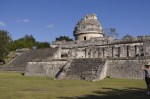
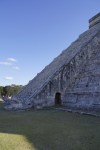
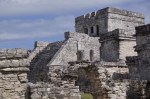
As a child (and still as an adult), I have always been fascinated by history, so the thought of visiting one of the great sites of human civilization–the ruins of Chichin Itza and Xel Ha in Mexico–while on vacation just over a year ago, blew me away.

Although magnificent, what struck me was how small and human they seemed. It was as though these ancient cultures were ruled by giants, and yet, as close as I was allowed to approach, I was met with steps that would not be challenging for a short-statured adult.

I remain in awe of who these people were and what they accomplished, but having visited their cultural centres, I must admit that I came back a little disappointed. They were as you and me, and for whatever reason, that has dulled their sheen in the wondering eyes of the young boy I was.

Flagged content

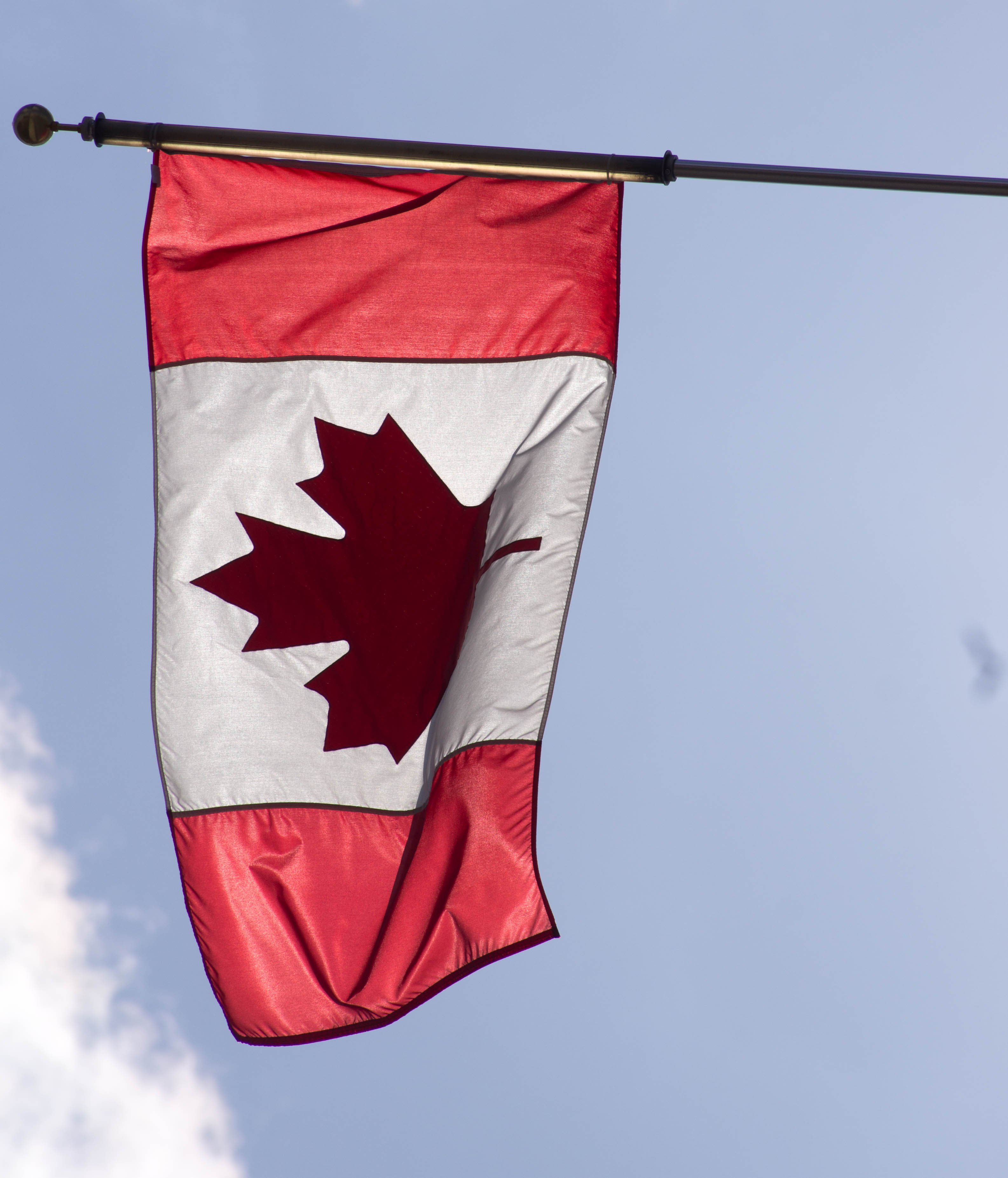
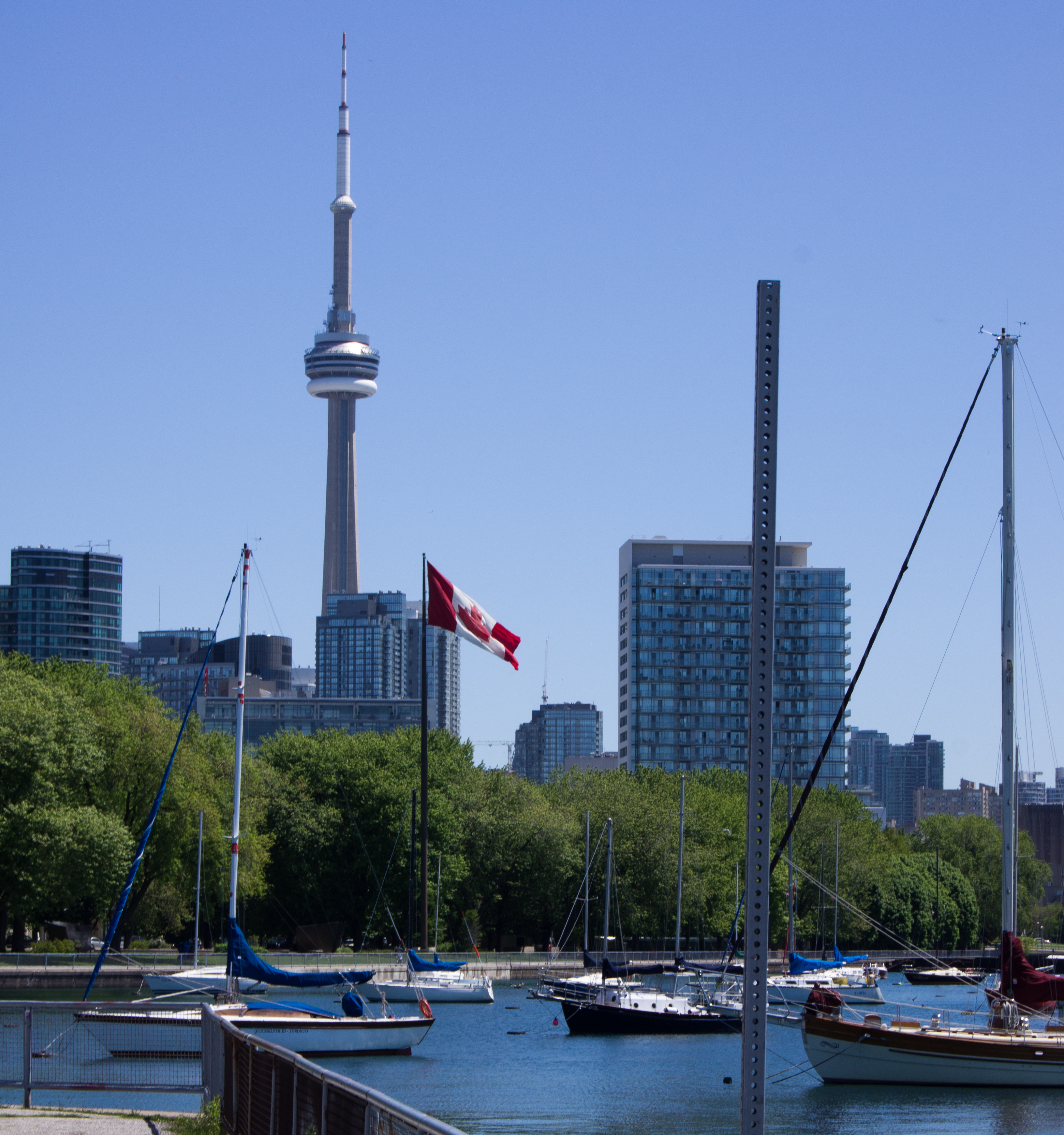
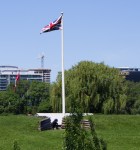
In case anyone ever tries to tell you Canadians aren’t overtly patriotic, let me set the record straight.

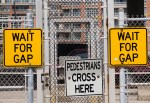
Signs of Toronto

Where are Mel Gibson and Joachim Phoenix when you need them?

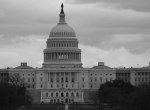
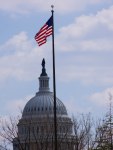
Art-chitecture of Washington

Washington, DC, is an odd town for a variety of reason…it is steeped in history and yet is constantly in a state of renewal as its four quadrants cycle from decay to rebirth to affluence to decadence, and the people within the town, depending on money and power, move from quadrant to quadrant accordingly.

Being the political and international heart of the US, however, means that it is also a showcase–in the museum display sense–of what the US has to offer architecturally.

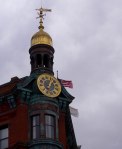
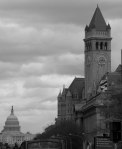
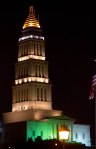
I’ve tried to capture some of that here.