Inside definitely Out (a review)

poster

Earlier today, I had the opportunity to see the latest Pixar movie Inside Out in the company of one of the film’s writers and its story supervisor Josh Cooley (a very nice man). And aside from receiving a lovely lecture about story development at the famed animation house, the connection afforded me an opportunity to appreciate the movie much more than I did on simple viewing.

To briefly bring everyone up to speed, Inside Out tells the story of the emotions that rattle around inside the mind of 11-year-old Riley as she struggles with a move across the country. Although we are introduced to 5 main emotions in Riley Headquarters (get it?)—Joy, Sadness, Anger, Disgust and Fear—there is no mistaking that Joy is numero uno in this space.

Joy (voiced by Amy Poehler) sucks the oxygen out of any room she’s in and proves that even the best intentioned of assholes is still an asshole. Her goal in life is to make every moment of Riley’s life a happy one and is not worried about shoving aside the others (ever so happily) to ensure that.

But where Joy has developed a respectful détente with Anger (Lewis Black), Disgust (Mindy Kaling) and Fear (Bill Hader), she firmly but gently has no use for Sadness (Phyllis Smith), practically ostracising the poor creature to the periphery.

With the upset of the move from Minnesota to San Francisco, though, Sadness seems to want to be more involved and in a fracas with Joy, the two get sucked out of headquarters and into the long-term storage hinterlands of Riley’s brain.

At this point, the story basically turns into the Odyssey as the two emotions struggle to return home before Riley falls completely apart at the hands of the others. (To say much more would be to offer spoilers.)

Joy and Sadness wander the hinterlands of long-term memories

Joy and Sadness wander the hinterlands of long-term memories

The challenge I had was in trying to figure out exactly at whom Pixar was targeting the movie.

Superficially, this is a pure kids movie (ages 6 to 10, maybe), unlike many previous Pixar concoctions, which had elements for both kids and adults. Inside Out doesn’t have the depth of Toy Story or The Incredibles to truly speak to adults, much as the most mature 11-year-old isn’t ready for the adult world.

I’m not saying there aren’t adult-focused jokes interspersed throughout the film, but rather exactly that. They are interspersed, like small granules of sugar designed to feed the parents accompanying the kids to the theatre.

Up talked about loss and aging

Up talked about loss and aging

There is no real adult storyline to this film to touch adults as there was in Up or Wall-E. Instead, the film has sweet, adorable moments of baby bums and first goals that might tug at a parent’s heartstrings but never engage the soul.

But as a friend suggested, it is not strictly a kids flick either because it touches on esoteric aspects of the psyche that kids that age would never be able to comprehend, such as abstract thought and the concept of forgotten memories. The problem is these aspects are more conversations of the mind and not the soul. So even here, the adult is largely passed over unless they have an interest in neurology and psychology.

Wall-E dealt with issues of love and environmental destruction

Wall-E dealt with issues of love and environmental destruction

And as a writer, perhaps the biggest sin with Inside Out is there is no sense of what’s at stake.

Sure, Joy is losing her cool as she fights to get back to headquarters. For her, Riley having a down moment is a disaster.

And Sadness isn’t exactly having a picnic as she is routinely sideswiped or ignored by Joy in their efforts to get home. If anything, she increasingly takes the blame for everything onto herself.

But what’s at stake? What if they don’t get back to headquarters?

Does someone die? Is life no longer worth living?

I don’t know because that was never a question on the table. And without stakes, I find it difficult to root for the hero.

And this challenge is made all the more difficult by the fact that the hero (Joy) is also the villain, albeit passively. She is truly her own worst enemy, and so I quickly find myself irritated by her with no great concerns about the outcome.

The six hour conversation and lesson with Cooley helped me see a lot more of what the writers, animators, editors, directors and producers were trying to accomplish. And that did help me understand the movie better. The thing is, few others were going to get this kind of help.

The movie will do well at the box office. Of that I have no doubt. It is a wonderful vivid distraction for young kids.

But it won’t have the staying power of Pixar’s earlier efforts and likely won’t be spoken of again in a few years other than in possibly hushed whispers.
The Drive (a short story)

grouchy

“Are we there, yet?”

The phrase that irritated me for the thousand times a week it bore into the back of my head now haunts me.

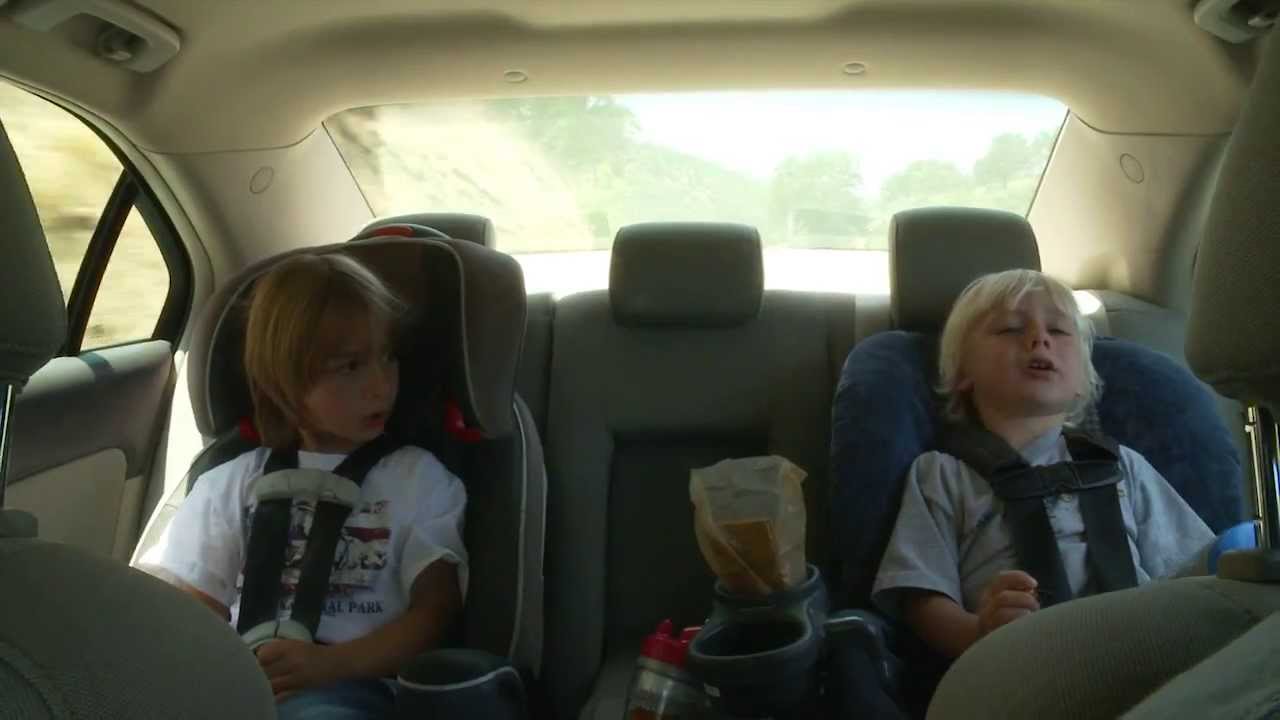
It had taken forever for me to convince the boys to leave their seat belts alone, to keep their hands from compressing the buttons that stood between confinement and filial battle. And more than once, I found myself wishing that rather than cross their laps, the belts crossed their mouths, stilling the staccato tarantella that skipped across my brain.

Silently, I would curse my husband for wanting children so close in age; built-in playmates, he would argue as though siblings were naturally adept at civility and sharing. Never marry someone who was an only child, I would remind myself; too many delusions of a happy peaceful family to dispel.

“Are we there, yet?”

The words and whine a cattle prod to my ear drums, my head involuntarily snapping to one side, threatening to glance off the door frame, the open window insufficient to drown the drone from the back seat.

“Are we—“

“Has the car stopped moving?” I’d shout at the rear-view mirror as though it was the source of my agony rather than simply a reflection of what I’d left behind.

For a second—a glorious second—the car would go silent, but the silence was an illusion, a prelude to crises yet to come. Inquisitive urges not quelled so much as turned aside, as unsatisfied attention-seeking demanded to be slaked.

“Mo-o-om!” came the high-pitched cry.

“I’m not doing anything,” its wounded echo, pre-emptorially defending actions yet unchallenged.

“Enough,” I charged, confronting the miniature offenders with turned head.

The light was green, or at least that’s what the report said, as though the colour protected me from my guilt any better than it protected my car from the panel van approaching from the left; as though an absence of fault even approximates an absence of self-loathing anguish.

The car was a write-off, and after six months of my husband’s words telling me it wasn’t my fault while his eyes told another story, so was my marriage.

And now, sitting here in my wheelchair, all I can think of is “Are we there, yet?”

woman-in-wheelchair

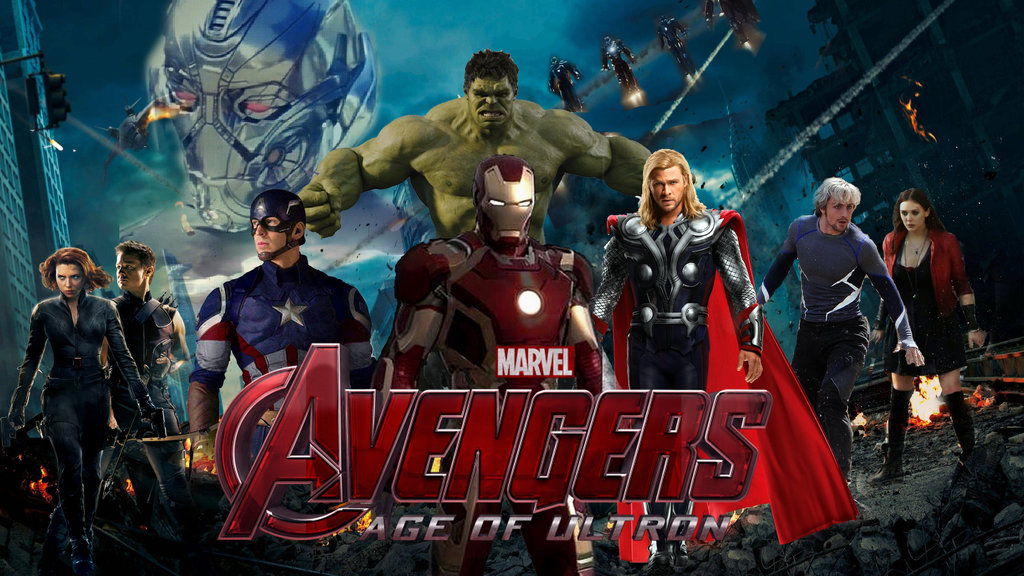
Marvel plotlines assemble – Comment on Age of Ultron

Avengers-Age-of-Ultron

So, you plunk down your $20 for the new IMAX 3-D Star Wars film. You saw the two previous trilogies, so you think: “This is going to be so cool.”

But then you get a glimpse of Captain Jean Luc Picard and think: “What the feck?”

And then a few minutes later, there is a reference to the smoke monster, and you scratch your head: “How did Lost get in here?”

That’s the way I felt after watching The Avengers: Age of Ultron…or perhaps, more accurately, after sitting in a bar for 4 hours after seeing Ultron with friends who are completely immersed in the Marvel universe.

In fairness, I went into this movie with the attitude that it was a comic book movie and therefore, I had low expectations other than visual stimulation. And for the most part, I was pleased with the result.

The CGI was stunning. The characters were witty in their banter. And nothing in the movie was very surprising…if you didn’t know how this movie was going to end, you really shouldn’t be watching comic book movies.

My challenge with the film—and the subject of beer-laden discussion afterward—was the sheer volume of references to and characters from previous films and television series of the Marvel pantheon.

Marvel universe study aids.

Marvel universe study aids.

For the record, I saw the first Captain America movie, all of the Iron Man franchise, two Thor movies, the first Avengers movie, all of the Spiderman movies (keep asking myself why, however), and just started watching the Daredevil television series.

And yet for all of that leg work, when the movie started, I had no idea why the Avengers were fighting who they were fighting and who the enemy were. Apparently, if you missed Captain America: The Winter Soldier and the Agents of Shield television series, you missed a lot that sets up this movie.

Now, having that background doesn’t necessarily keep you from understanding the main plot of this movie—can James Spader actually outsmarm Robert Downey Jr. (no spoilers)—but I’m the kind of person who likes to understand why things are happening.

They didn't invent smarm, but they've taken it to new heights!

They didn’t invent smarm, but they’ve taken it to new heights!

And to writer/director Josh Whedon’s credit (or condemnation), the dialogue throughout the film was one long stream of exposition—I wasn’t expecting character arcs in a comic book film.

Unfortunately, with the exception of a couple of short sequences, all of this exposition comes as things are exploding and/or in the midst of battle scenes, so your eyes and ears are being bombarded at the same time as your brain is trying to puzzle things together.

Thus, I spent a lot of time shrugging my shoulders when things happened without relatable context to me.

A guy with wings shows up…hunh, there’s a guy with wings. Thor slides into a pond in a cave…I guess this is something important.

[A couple of friends in my group were seeing the movie for the second time…apparently, this helps a lot. Nice move, Marvel marketing department!]

Now, I am not the demographic for this film series. I don’t still read the comic books and have not rushed to see ALL of the Marvel films or television series. And more importantly, I don’t want to do the Internet-searching homework necessary to fill in any blanks that arise (which was another activity in that 4-hour bar discussion).

And that’s why I have described this post as a comment rather than a review.

I cannot review this film because I don’t really know enough about the Marvel universe, other than to say “boom”, “ooooh”, “wow” and “okay, sure, whatever”.

You’ll be hard-pressed to be bored by The Avengers: Age of Ultron, but you may not be any further ahead at the end of the movie than you were at the beginning.

And when all is said and done (or blown up), that may ultimately be the reason I step away from the whole damned thing and leave the adulation to my friends.

Other reviews/thoughts on Age of Ultron:

Howard Casner – Rantings & Ravings

Ryviews

Lady Geek Girl

Wilson Reviews

22 questions about Avengers: Age of Ultron answered (Den of Geek; nothing but spoiler so only click if you must have the answers)

It (tediously) Follows – A review

It Follows

We all remember the dire warnings from health class or worried parents: If you have unprotected sex, you run the risk of coming down with an STD.

Well, for the kids in the movie It Follows, the itch of crabs or the need for antibiotics would be a welcomed distraction from the STW they risk by having sex with the wrong partner.

Choose your partners wisely

Choose your partners wisely

STW? Sexually transmitted wraith.

It Follows tells the story of Jay, a sexually active late-teen who finally succumbs to the charms of her newest beau Hugh, only to learn that not only did she accept his penis, but she also accepted a curse that involves a plodding ghost trying to kill her.

As long as Jay stays alive, the ghost leaves Hugh alone. The best advice, he suggests, is for Jay to pass the curse onto someone else as soon as possible, hooking up like he did with her. If the wraith gets Jay, it then comes after Hugh and then continues up the line of transmission.

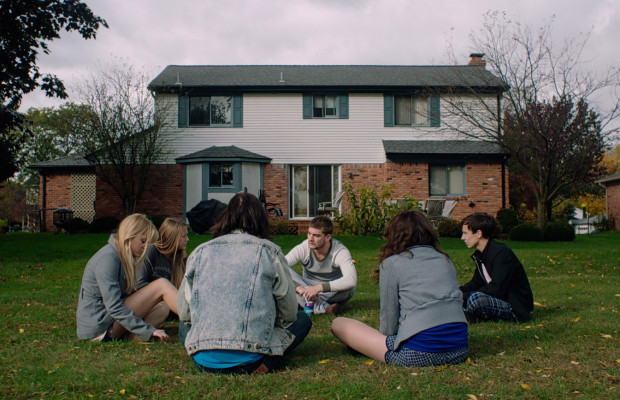
Complicating life is the fact that only the cursed can see the wraith, which can transform from a urinating half-naked mutilated woman to a senior citizen to someone you know. Thus, even when Jay enlists her sister and friends to help her, they are largely useless other than as a source of comfort and uncontrolled screaming and running.

Crazy kids hatch a plan

Crazy kids hatch a plan

Now, I don’t like horror movies. I am a jumpy person by nature, and so sudden surprises bother me. Thus, when my horror-loving friends suggested we see It Follows, I was reluctant. But I am trying to expand my genre repertoire and so joined in.

As it worked out, there was no reason to worry.

(HEREAFTER THERE WILL BE SPOILERS.)

Throughout the entire 100 minutes of the movie, I jumped only once, and as it turned out, at nothing that had anything to do with the story.

None of the appearances of the wraith (okay, maybe one) were particularly startling or unexpected. And aside from the musical cues to the audience to become anxious—music that would not have been out of place in any classic 80s horror—the movie offered little suspense. And after more than a few musical feints, even that ceased to make me uneasy.

Aggravating the lack of tension was an excruciatingly plodding pace to the story, which triggered more yawns in me than shudders. The only thing slower than the pace was the plodding approach of the wraith.

My friends—the horror aficionados—suggested that this gave the demon (and the movie) a relentless feel…the wraith was often shown slowly approaching from a distance in wide-angle shots. But to me, the movie was relentless in the way a train travelling at one mile per hour is unrelenting.

It will crush you…eventually…once it reaches you…assuming you don’t simply step off the tracks.

What I will admit was relentless was that truthfully the story could only end one way. (I am trying not to tell you how the movie ends.)

Because the wraith will always move up the chain of transmission, Jay is fated to die. Even if she passes the curse onto another. She will die. It is simply a matter of when.

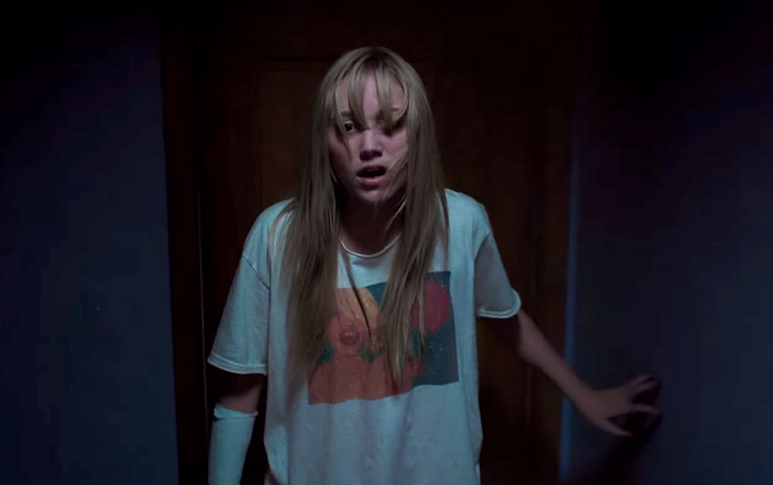
Not taking the news well

Not taking the news well

The writer and/or director essentially painted themselves into a corner from the outset.

This is not to say that the kids only run away, but they also had no information to help stop the wraith…if possible. And no one seemed interested in determining what is was or why it was.

This is yet another reason why I could not engage in the movie. It gave me nothing to do but wait, and watch the kids attempt roughly the same actions time and again.

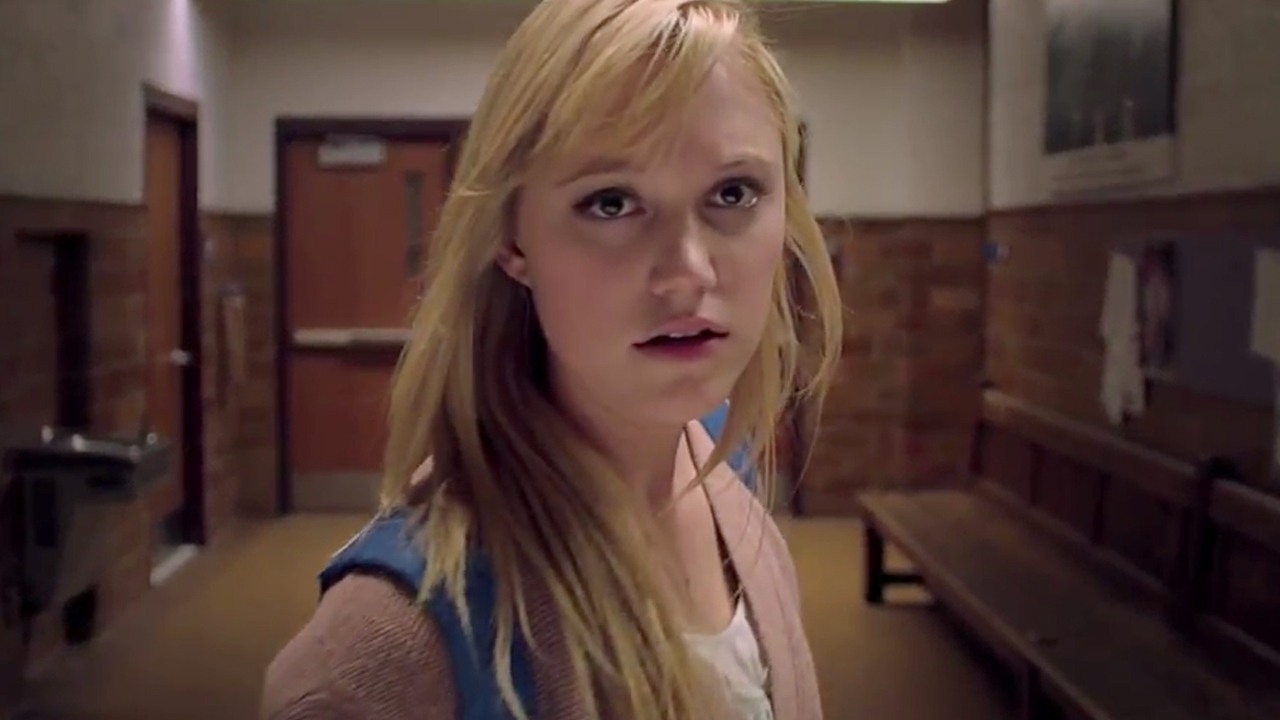
Maika Monroe

Maika Monroe as Jay

Given the nature of the beast—horror movies, that is—the performances were solid. The acting was quite good—Maika Monroe as Jay was quite effective—and the relationships between the characters felt real. Aside from a few subtextual set-ups that had no payoff, most of the character interactions satisfied.

Sadly, the actors were completely let down by the writer and/or director.

With the wraith largely incapable of harming her sister or friends (it only wants the cursed), all of Jay’s (our hero’s) actions were self-serving. Simply put, Jay did everything not to die.

And while this is understandable and even compelling early on—again, Maika Monroe is very likeable—it eventually lacks nobility. There were no other stakes, and how do you raise the stakes from gonna die? After a very short period, I was ready for Jay to die simply so my friends and I could get to the pub.

I appreciate that I am in the minority here (and at the pub).

It Follows will inexorably spawn a sequel—no doubt entitled It Still Follows—and possibly a third (Yep, Still Following) and fourth (Hunh, Where’d It Go? Oh, Jesus, There It Is) chapter.

For me, however, I’ll just go back and watch Poltergeist (the original, thank you) and have nightmares about clown dolls.

Now THAT is scary

Now THAT is scary

Now, if you want a good (and shorter) counterpoint to my antipathy for It Follows, check out a post written by another friend Danny F Santos, which can be found here.

Snow drifting

(Image property of Duncan Rawlinson; http://duncan.co/tag/snowing/)

(Image property of Duncan Rawlinson; http://duncan.co/tag/snowing/)

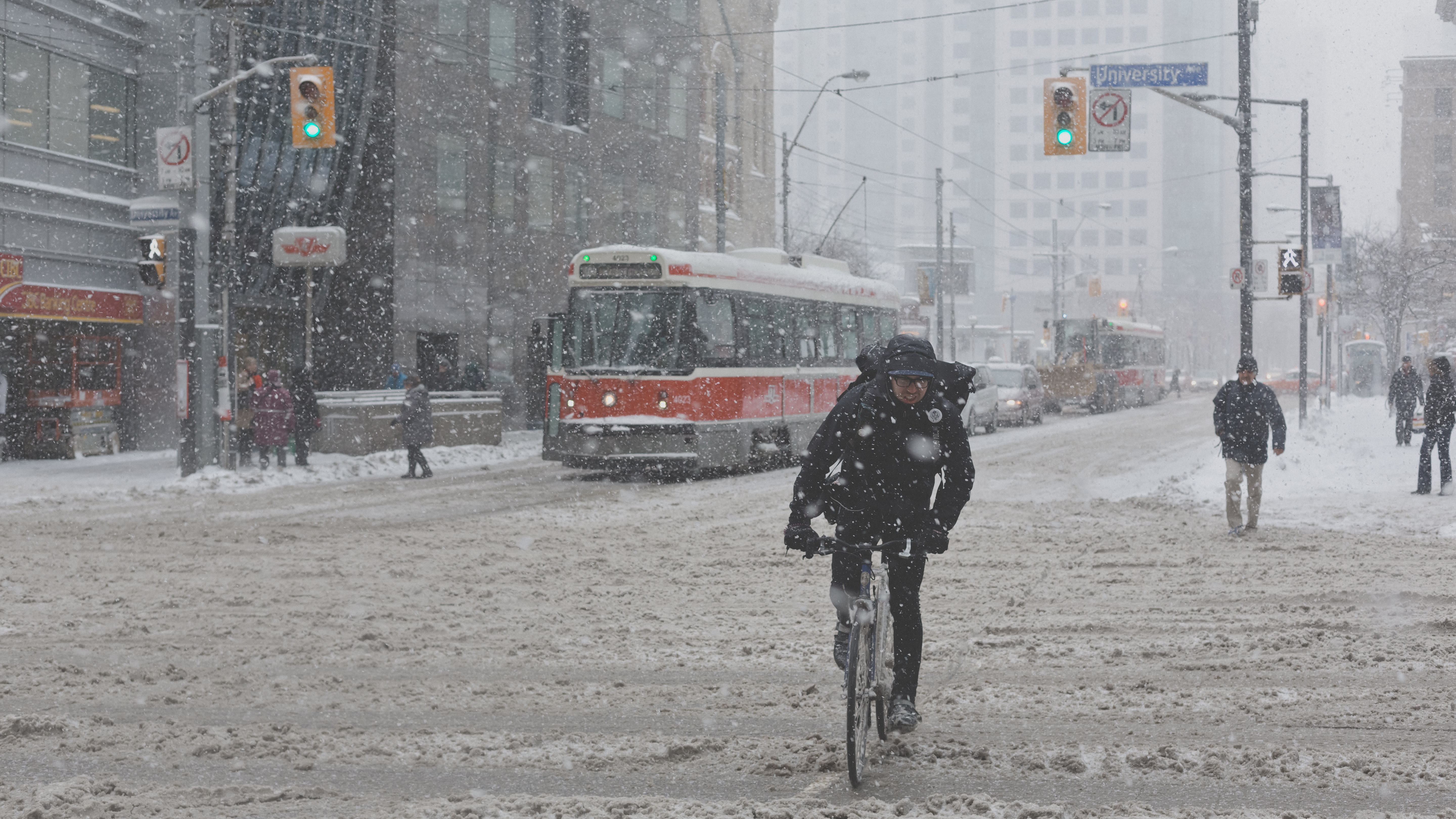
From thousands of feet, the snowflake made its way from its misty nursery to a gentle caress of Henry’s cheek, slowly melting where ice meets the dampened skin to puddle with its fallen brethren.

Henry faces the sky, his back firmly planted in the snow bank, the drift slowly cocooning him as the crystalline waters descend, tears of boreal gods.

Flakes weave with the hairs of his beard, completing the whitening that age has yet left undone, his thinning scalp protected by the few remaining threads of a toque too old to be merely ancient.

Pedestrians trundle by, eyes held askew, muttering their disapproval as they bow their heads against the wind and cold. But he remains oblivious to their stares and sneers, in a world of his own, one with the thickening storm that swaddles him.

Henry doesn’t feel the cold they feel. He doesn’t feel the wind they fight. Nor does he feel the latex-gloved hands that lift him to the gurney as an unusually cold winter claims another life.

InterOkay – review of Interstellar

interstellar-movie-banner

I can forgive writer-director-producer Chris Nolan for naming his movie Interstellar as few would be inclined to go see a movie entitled InterOkay and yet, that is what I thought of the movie. It was okay.

Not brilliant. Not amazing. Not a cinema-changing moment. Just okay.

Set in the near future, the Earth has suffered through a variety of crop blights and other unnamed disasters that has humanity at the brink of extinction. As one school principal puts it, the human race has become a caretaker generation, simply trying to manage the status quo in the hopes that something better might show up later.

Failed astronaut Cooper struggles to keep his family whole

Failed astronaut Cooper struggles to keep his family whole

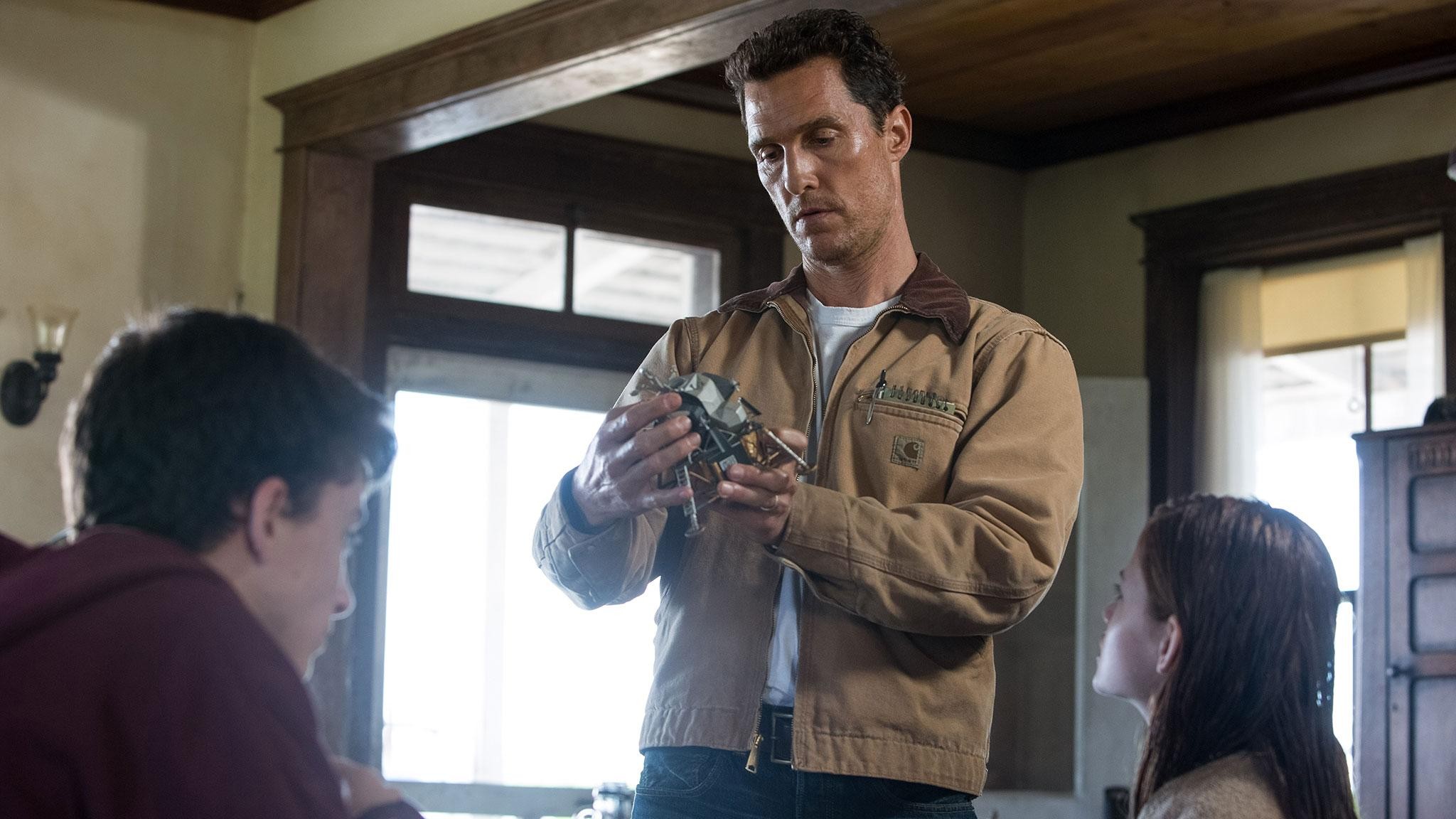
Drop into this failed world the character of failed-astronaut now failing farmer Cooper (Matthew McConaughey) who struggles to protect his family—dutiful son, frustrated pre-scientist daughter, sage father-in-law—from the ravages of dust storms and drought. Through a series of odd events, driven by daughter Murphy, Cooper learns of a mission to explore planets in other galaxies in hopes of finding a new home for humanity. They will get there via a wormhole that suddenly appears near Saturn, sent by a mysterious ‘They’.

To get deeper into the plot of the movie here would be to trip all over spoilers and I don’t want to do that. It would also require that I better understand the various plot points, which would likely take a second or third viewing…call me when Interstellar makes it to Netflix.

In an acknowledged homage to every movie that has come before it—Grapes of Wrath meets Top Gun meets 2001: A Space Odyssey meets Close Encounters of the Third Kind meets The Right Stuff meets Waterworld meets Prometheus meets The Black Hole meets…you get the idea—Nolan and his cowriter brother Jonathan Nolan have woven together a vision of human spirit that is broad in scope, deep in meaning and soul-defining in spirit. Or at least that seemed to be their intention.

The ones left behind search for a way out (Jessica Chastain)

The ones left behind search for a way out (Jessica Chastain)

On paper, the most meaningful speeches seem to come across as cliché, trite or in the most offensive cases, Pablum. And it is only because the Nolan boys have put these speeches into the mouths of some great actors—e.g., John Lithgow, Michael Caine, Jessica Chastain—that the movie is not laughed off the screen. Only actors of this quality could breathe life into these leaden lines and hoary speeches.

For me, possibly the worst example of this is scientist-cum-astronaut Amelia Brand’s (Anne Hathaway) attempt to explain love as a higher dimension of existence, as something that transcends space and time and should thus be counted as at least an equal in making logistical decisions. I’m not saying that her argument is wrong (or right) but rather that the material comes across as angst-riddled teen melodrama, made all the worse because it’s coming out of the mouth of an adult.

Ferris Bueller with lipstick? (Anne Hathaway)

Ferris Bueller with lipstick? (Anne Hathaway)

Where I have to give the movie massive credit, however, is in the visual treatments. (Thank you, Director of Photography Hoyte van Hoytema and Production Designer Nathan Crowley.)

This is a visually stunning film where each image is inspired. You feel parched while witnessing the death of the American heartland and your eyes itch with the approaching dust storm. The other worlds are crafted with such realism that you sense the dampness or the cold. And for all its darkness, a black hole seems anything but black.

Without getting into spoilers, I found the story line challenging in some respects because it felt like the Nolans wrote a relatively short screenplay and then every time they asked someone to read it, they were asked “Yeah, but what about…?”

At least three times during the film, I caught myself thinking that this must be the end, only to have Nolan scream “plot twist” and have the movie spiral in another direction to tie up a loose end. Even as the credits rolled, I had the sneaking suspicion they would get half-way done and we’d have more scenes.

And the very last scene before the credits was either “Oh shit, we forgot about…” or was a ham-fisted attempt to set up the sequel (of which I have heard nothing).

bridesmaids_screenplay02

As friend and fellow blogger Danny F. Santos suggested to me recently, he thought the movie might have been better served by converting it to a mini-series and I can definitely see his point. Some aspects of the film seemed rushed, despite its lengthy running time of 169 minutes. (Danny’s blog)

Given the importance of the replacement Earths to the conceit of the story, however, amazingly little time was spent on these worlds. I appreciate that the Nolans may not have wanted to make it longer, but that just lends credibility to Danny’s idea (or they could have done a Peter Jackson-Hobbit impersonation).

To their credit, the Nolan boys have woven an incredible tapestry of plots and subplots, tapping into several deep questions about humanity, the explorer’s heart, interpersonal commitment, abandonment, the purpose of science and complicity in our own demise.

Unfortunately, they used so many strings that they seem to have suddenly found themselves with a lot of loose ends that they either tied off with a bow or tied to another string. For the latter of those methods, I am confident that they wanted me to experience a revelatory “Oooooh!” but too often I was left with a confused “Eh?”

For all my issues with plot points and dialogue, however, I do have to admit that the movie passed my butt test. At no point did I find myself squirming uncomfortably. As the credits rolled, I found myself comfortably rested and satisfyingly entertained.

Unfortunately, for a movie of the scale and scope of Interstellar, “rested” and “entertained” are an indictment, not praise.

No parity in parody

Parody

Mel Brooks is a god! Carl Reiner is a god! Carol Burnett is a god! Mike Myers is a really funny Toronto boy, who flew pretty close to the sun. (He may yet be a god, but he has to get back on his feet.)

And among their many talents, these people share the amazingly delicate talent of creating parody…a talent I have yet to seriously attempt beyond the scale of sketch comedy.

Delicate talent? Seriously attempt? Isn’t parody just a matter of picking a genre and inserting dirty jokes and/or completely ham-fisting its various tropes in the mathematical assumption:

Absurd + Puns + Dirty = Funny

I increasingly understand why people think this as I watch more of the recent fare of parodic films that appear to have taken this equation to heart.

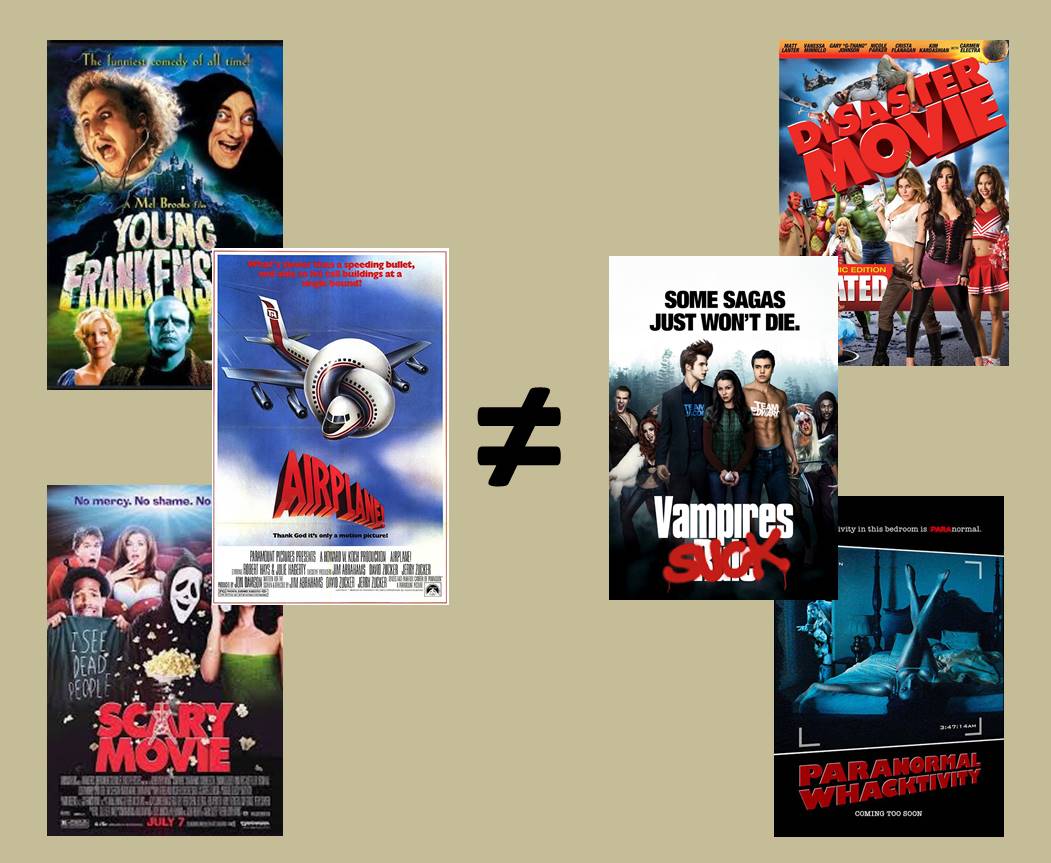
Last night, for example, I watched Paranormal Whacktivity, a sexed up romp through the found-footage haunted-home segment that includes films such as Paranormal Activity and Blair Witch. This film was horrific, but not in a good way…nor was it particularly funny or sexy. And it wasn’t very good as a parody because it didn’t even stick to its genre, mixing Paranormal Activity with Ghostbusters, which both involve spirits but are hardly cinematic siblings.

It was useful, however, to my understanding of parody.

When I compare Blazing Saddles, Airplane, Dead Men Don’t Wear Plaid, and Austin Powers: International Man of Mystery to Disaster Movie, Not Another Teen Movie, and Breaking Wind, I realize that the truly classic parodies have something that the new ones don’t: a strong central story.

Somewhere in the evolution of parody films, the movies became less about story and more about ripping off as many genre clichés as possible, offering no firmer links between these scenes than bad jokes, fart noises or perky breasts.

Blazing Saddles wasn’t about taking a bunch of classic scenes from Westerns and simply linking them. It was more about taking iconic characters from the Westerns and creating a classic, if twisted, story. The sheriff abandoned by the town folk, the washed up gunslinger, the evil cattle rustler, the crooked politician.

Similarly with Shrek; although this film has such a strong central story that I’m not sure whether I should even include it in a list of parodies. Yes, it played up almost every fairy tale gimmick, but the story really didn’t model itself on any given style or pre-existing story.

Dead Men Don’t Wear Plaid is another odd case. With a strong through story led by Steve Martin and Rachel Ward (directed by Carl Reiner), it takes parody to a whole new level by incorporating actual scenes from noir films within the scenes with live actors. Thus, Martin’s character may find himself playing across from Barbara Stanwyck or Edward G. Robinson. Now, that is great film writing and editing.

Interestingly, the Wayans’ brothers first entry into this genre—Scary Movie—offers another lesson about parodies: the challenge of dipping into the same well too often.

Although horror/slasher movies are not to my personal tastes, I thought the first one or two films of this series were particularly well done. But as the series continued, picking on more films from within the horror/slasher genre, it started to become a parody of itself. The jokes were no longer fresh. All the best tropes had been used up in the first two movies and so the later films just seemed to be running in place.

Six Star Wars films, one Spaceballs. That works. (NOTE: Spaceballs is one of my least favourite Mel Brooks movies, much to the chagrin of many friends.)

Even the much stronger series of Austin Powers and Police Squad films showed this sense of comedic fatigue.

The original film is a surprise. The first sequel may be enjoyable. Anything after that is milking a dead cow.

I have no doubt that bad parodies will continue to be made…if nothing else, they seem to require little writing and typically have poor production values, and are therefore inexpensive.

My hope, however, is that another Mel Brooks, Keenan Ivory Wayans or Mike Myers comes along to raise us from these creative and comedic doldrums. (NOTE: At present, my money is on Keegan-Michael Key and Jordan Peele, who have the comedic talent and the Hollywood clout to do it right.)


A few personal favourites (hyperlinked to trailer or favourite scene, where available):

Dead Men Don’t Wear Plaid

Airplane

The Cheap Detective

Austin Powers: International Man of Mystery

Hot Shots (not so much the sequel)

Rustler’s Rhapsody

Shrek

Scary Movie

Blazing Saddles

Silent Movie (I may be only person who likes this one)

Young Frankenstein (all time favourite)


Snow White more an off-grey (a review)

Snow_White_and_the_Huntsman_Poster

I find it difficult to appreciate a movie in isolation (its, not mine). At the same time that I strive to enjoy the movie, I also try to break down its various elements, ideally without immediate comparison to everything else I have seen.

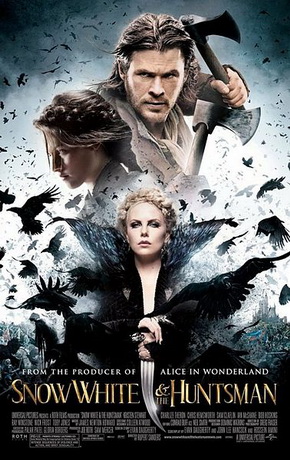
Some movies make this easier by being truly unique stories (The Voices, for example), whereas others are either so familiar or so derivative that I find it virtually impossible to see it in isolation. The latter situation was the case for Snow White and the Huntsman, the 2012 take of the very familiar Grimm Brothers fairy tale by director Rupert Sanders.

This is not the Disney version, by a mile, but rather a much darker, more sinister take on the story of a young beauty (Kristen Stewart) condemned to death by her vainglorious step mother (Charlize Theron) who fights for her freedom in the dark woods where she meets all kinds of people and mystical creatures, including dwarves. Together, they reach a castle of renegades and Snow leads them into battle against her step mother.

So, we have the check list covered: evil step mother, check; mirror-mirror, check; bring me her heart, check; dwarves, check; poison apple, check; Prince Charming, sorta check.

Doing my best to isolate this movie from everything else, I give it a moderately passing grade. It is a fairy tale, so the dialogue hits the extremes of leaden cliché to screaming cliché.

There is no subtext to this movie…none, zero, nada, zilch. So don’t go looking for any. It is on-the-nose storytelling, which again, makes sense within the context of a fairy tale, but given that the film targets young adults to adults (much too dark for small children), I would have hoped for more.

The screenwriters offered a brief moment, where the huntsman (Chris Hemsworth) begins to let us into why he is so tortured over the death of his wife. But as soon as the moment starts, it slams shut and we are excluded from understanding the character beyond his alcoholic ramblings and Thor-like simplicity. (PS If I hadn’t seen the movie Rush, I might just think this is who Hemsworth is.)

So, where the dialogue wanes, the visuals have to take over and here, the director earns his keep. Special effects do not overwhelm the story, but instead are woven nicely into live action sequences to augment the reality. There was only one scene where I felt the director fell asleep at the SFX wheel and allowed his art director to run amok.

Dwarves huntsman

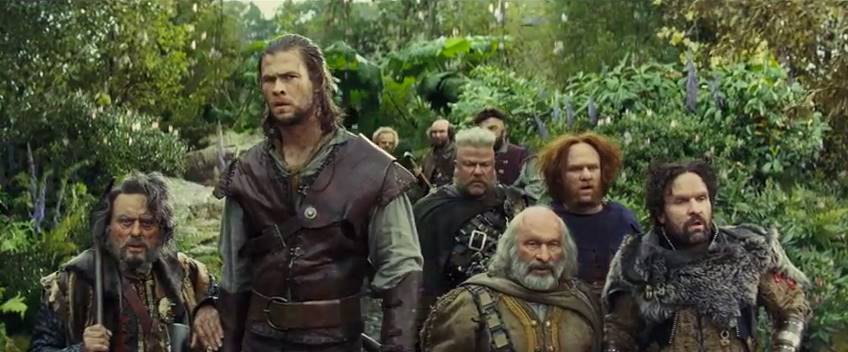
And perhaps my favourite part of the visual effects was how they took normal sized British actors and turned them into dwarves. Masterfully done. Imagine Ian McShane, Bob Hoskins, Ray Winstone, Nick Frost, Toby Jones, Eddie Marsan all about a meter tall yet perfectly proportioned, standing next to or fighting alongside Hemsworth. Don’t know how they did it…don’t want to know.

Where I found the movie particularly weak, however, was in the development of Snow White. Rather than be the protagonist of the story, I felt she was the victim of the story, literally being dragged across the countryside to avoid capture. While she clearly wasn’t the “Oh my. Dear me” victim of the Disney version, she was also not the “Girl Power” version that I think the movie promised.

Two snows

When she wasn’t being rescued by one or more men, she was being rescued by a mystical inner force of which she was initially unaware and over which she had no control.

I was willing to let her be the victim over the first part of the story, but I needed her to turn around at the midpoint and attempt to kick some ass.

Now, to open the comparative flood gates, this movie has Tolkein written all over it. You’ll see dwarves walking across hill tops. Floating towns will burn. Dark forests will haunt you. Guys with swords and axes will be moody.

Now I appreciate that this is bound to happen, as there are certain pastiches that run rampant throughout fairy tales and epic sagas. I am speaking here more in terms of cinematography, however. In several parts of the journey sequence and the battle scenes, it looked like the director decided to save a few bucks by splicing in rejected footage left behind by Peter Jackson.

For what is it, Snow White and the Huntsman is not the worst 90 minutes I have ever spent watching a movie. It’s just a damned shame that the running time is 127 minutes.

Too many voices (spoil the screenplay)

Superfluous

Congratulations! You have just outlined your next screenplay. Or maybe you’ve written “Fade Out”. That’s quite an accomplishment and you should be proud of yourself.

Go ahead. Take a moment to luxuriate. I can wait.

Okay, now I need you to kill one of your characters…or two…or maybe even three.

What? Oh, I know you’re not writing a thriller, but murder will be good for you. And even if you are writing a thriller, you’ll feel better after you pull the plug on certain characters.

Having written a few screenplays and having read 50X more, one common thread I find is that writers (me included) create too many characters, some of which are completely unnecessary.

Now, I’m not talking about the red-shirted cannon-fodder that fills the background…the cab driver, the concierge, waiter, ex-boyfriend, whatever. No, I’m talking about those characters just below the protagonist, antagonist, side kick/mentor/love-interest who help move your characters through a plot point (or several) and then disappear completely.

red shirts

Let me give you an example from a murder thriller collecting dust on my hard drive…The Children of San Miani.

In my story, a journalist provides a young detective with just enough information to introduce her to the lead suspect, a victim’s rights advocate with a major reason to want the first murder victim dead.

In reviewing my first draft, I realized that the moment the journalist connected the detective and the advocate, he completely disappeared from the story. He became superfluous to (story) need, so I simply stopped talking about him.

This begged the question: Did I need the journalist character at all?

With very little thought, I quickly realized I could accomplish all of the journalist’s plot points without the journalist, either by ascribing his actions to other main characters or to the story itself. And poof, he was gone.

The result was a story that was that much tighter. A story that was a bit less confusing and yet still maintained the mystery I needed for the thriller.

Look at your story. Focus on those second-tier characters.

Are there some that don’t make it to the end of your story; that simply trigger or drive a scene or two forward?

Can those triggers or drives be handled by another character in your story, maybe a main character? Or perhaps those actions can extend the life of another secondary character who just plops into your story from the ether?

In some cases, the answer may be no; that in the grand scheme of things, this character is vital if temporary.

Fine. Keep the character. You are the best judge of what is needed for your story. But I’ll bet at least one character can go.

1248-left4dead-no-mercy-wallpaper-wallchan-1280x960

Show no mercy. Cut the strings. Release the Kraken. (Oops, sorry. Wrong movie.)

Don’t smother your screenplay. By eliminating the unnecessary, people will better understand and appreciate your story more quickly.

And when you may only get one read (if that), the easier you make it on your audience, the better.

(Images are property of owners and are used here without permission, and may be completely superfluous.)

The Race: A Celtic Legend (sort of)

Two great chieftains stand at odds, menacingly snarling at each other, mighty armies at their backs. The only thing separating them is a simple Celtic druid.

“I am the first son of Glamorgan, who was first son of Dafydd, who was first son of Griffold, so the kingdom is mine to rule,” bellows Dafydd of the Mountain, raising his might sword above his head in challenge.

3c7b0a5ce88509b57f74d5f1a519c380

Llewellyn of the Glen merely spits at Dafydd’s feet in disgust.

“Dogs, every one of you,” he snarls. “I am the first son of Blundewey, who was first son of Varus, who was first son of Glendoch. I am the rightful ruler!”

Dafydd drops into a fighting stance, causing Llewellyn to swing his axe.

“Enough,” cries the druid, slowly rising to his feet. “We cannot have our lands torn apart by yet another war.”

The two chieftains slowly lower their weapons as the druid passes between them and walks to the edge of a cliff. With great ceremony, he points across the waters toward a small island on which stands a great castle.

castle

“The sea brings us great wealth, but it also makes us vulnerable to attacks from across the waves,” the druid intones. “The great ruler of this land must therefore not only be a mighty warrior on land, but also a true master of the seas.”

“That is I,” spouts Dafydd.

“I am the master of the sea,” scoffs Llewellyn.

“The sea shall decide who is best,” replies the druid. “The succession shall be decided with a race. The first to touch the shores of that island shall rule over all.”

The two chieftains grunt their ascent and turn their armies in opposite directions toward the pebbled beach at the base of the cliff.

tintagel

Resting against the shore, two great ships swallow up the dwindling sunlight. One ship is jet black and sports a great dragon that snarls at the waves. The other is blood red with a horse that flails its anxious hooves into the surf.

The clansmen climb into their great ships, taking up their oars, brethren at their sterns ready to push them into the raging waters.

All noise stops, even the breeze, as the druid takes up his position and raises his arms to the sky.

“Let the gods of sea and air bless your efforts and deliver this land its rightful king,” the druid declares before violently dropping his arms to his sides.

With a mighty grunt and the hiss of resistant pebbles, the two teams push against the ships, forcing them into and over the arguing waves.

In each ship, the warriors pull mightily at the oars, the whine of the oar locks providing counter stroke to the rhythmic grunts of the rowers. The sea fights back, but the dragon and horse cannot be denied and slice their way through the offending currents.

stbrendanboat

At first, the race is even, both armies in deadly earnest to claim the crown for their sovereign, but bit by bit, Llewellyn’s boat begins to pull ahead.

“Harder, you demons,” Dafydd cries to his men. “Pull harder or suffer the fires that Llewellyn has planned for your wives and children.”

Dafydd’s men strain harder against the oars, but the dragon continues to press onward, seeming to clip the tops of the waves sent against it.

“Give me your sword,” Dafydd orders one of his warriors.

“You cannot reach him with a sword,” the warrior cries, handing over his weapon.

celtic_sword_la_tene_iron_age_forged_swords_b

“I don’t have to reach Llewellyn,” Dafydd bellows, raising the sword above his head. “I have to reach the island.”

With that, he brings the sword crashing down onto the railing next to him, where but moments ago, his hand rested. CHOP!

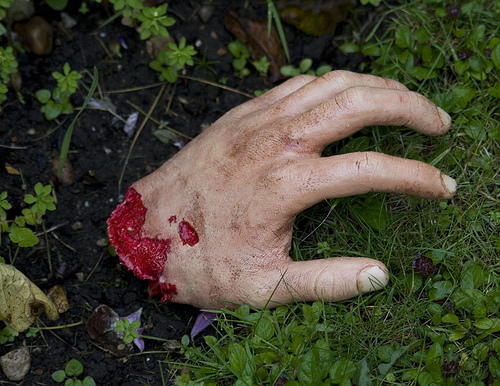
Dafydd roars as his life blood spews across the deck and his severed hand cartwheels around his feet.

Stabbing the sword into the floor between him and his warrior, Dafydd quickly snatches up his hand and cocks his arm for a mighty throw.

“The druid said it,” he yells into the wind. “The first to touch the shores of that island shall rule over all.”

With all of his might, Dafydd throws his severed hand forward, watching it arc over Llewellyn’s boat on which it rains blood, toward the island. Everyone behind him rises to their feet to see the fleshy ballista arc…arc…arc…and…

SPLASH! Into the water a good 30 feet from shore.

Everyone on Dafydd’s boat is crest-fallen, as blood gushes from his open wrist onto the deck. Clenching his remaining fist in anger, Dafydd turns to his warrior.

“The other hand!”

“What?” the warrior cocks his head.

hand

“Cut off my other hand and throw it,” Dafydd commands.

“I’m not going to cut off your other hand,” the warrior complains. “How will you hold a sword or feed yourself?”

“When I am king, others will defend and feed me.”

“I don’t know,” the warrior whines. “Should we put it to a vote? Everybody raise a hand-”

Dafydd grasps at the warrior’s vest but really only knocks him to one side.

“Cut off my other hand or I will cut you in half right here!”

The warrior looks at him as if asking “really”. Dafydd just holds his fist against the railing and nods at the sword.

The warrior raises the sword above his head and…

“Nothing will stop me,” Dafydd declares through gritted teeth.

CHOP!

Dafydd screams into the night as the warrior grabs the hand and throws it for all he’s worth.

SPLASH! It doesn’t even travel 30 feet from the boat.

Dafydd stares at the warrior, eyes unbelieving what has just happened.

“Nothing will stop me,” he repeats, “except a warrior that throws like a girl!”

Resigned to his fate and starting to feel the effects of the blood loss, Dafydd slumps against the deck.

“I guess that’s it then,” he sighs to no one. “Llewellyn will be-“

“You could touch the island with your foot,” the warrior thinks out loud, slowly reaching for the sword.

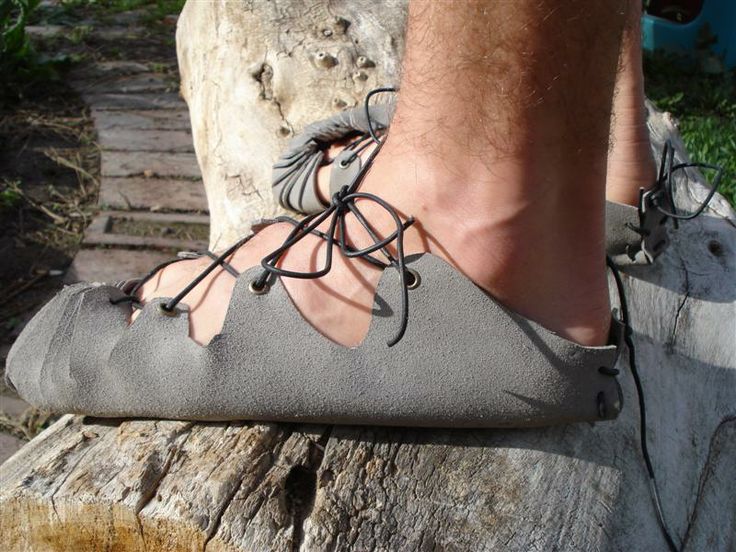
foot

“I am not giving up my-“

CHOP!

“Aaaaaaaah!”

SPLASH! The foot quickly sinks and resurfaces to float against the nearby hand.

Through a haze of agony, Dafydd looks up to find the warrior approaching with the sword. With his arm stumps and one good leg, he backs toward the rowers.

“No, no, no!”

CHOP!

“Aaaaaah!”

SPLASH! Another foot.

The night is filled with the cacophony of CHOP! Screams! SPLASH! as shins, legs, forearms take flight one after another, only to fall short.

In the distance, Llewellyn’s men puke over the side of their boat as it slowly fills up with blood and human tissue, their puke coursing streams between the severed body parts.

A soldier on the battlements of the castle, however, sees a fuzzy round ballista finally strike the shore, rolling up the beach and coming to rest against a bolder.

Face contorted in perpetual agony, a small rivulet of blood makes its way from the hairline of Dafydd’s decapitated head. As the blood reaches his right eye, the eyes suddenly fling open and look around.

Macbeth

“I did it!” Dafydd cries into the night. “I won! I won! I am the king of-“

He is suddenly distracted.

“Oh, shit.”

A raccoon grabs Dafydd’s head and drags it down the beach.

And thus began the reign of Llewellyn the Fully Assembled.

(Images are property of owners and are used here without permission because the druid said it was okay.)