Tag Archives: writing
MacKay away in Canada, eh
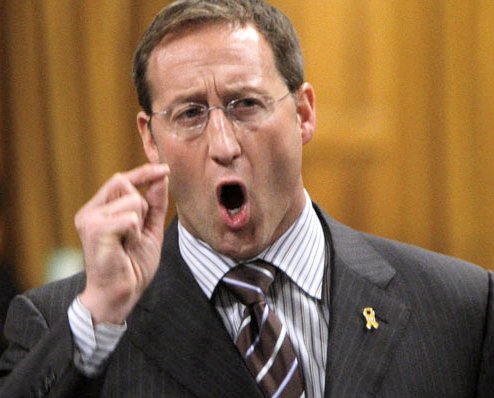
Parliamentarian MacKay can carry a tune
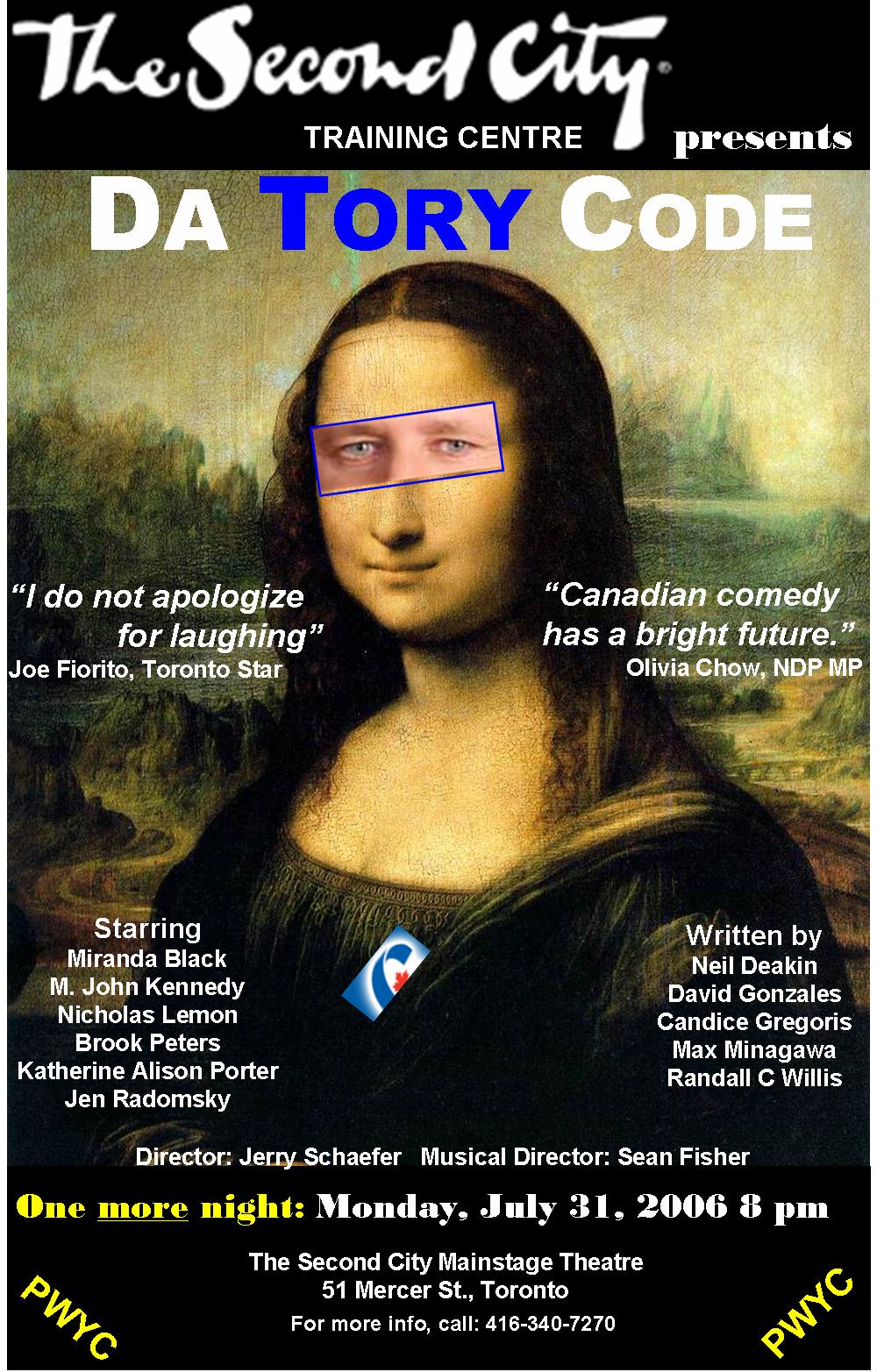
In honour of the announced departure of Canadian Parliamentarian Peter MacKay from political office, I would like to call back to a musical number I wrote almost 10 years ago for a Second City Training Centre sketch comedy show in Toronto entitled Da Tory Code.
The parody is sung to the tune of Gilbert & Sullivan’s Modern Major General from HMS Pinafore and features current Canadian Prime Minister Stephen Harper with his right-hand man MacKay.
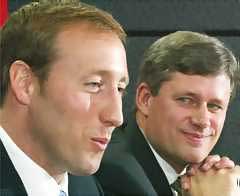
MacKay blows kisses as PM Harper stares on lovingly
Enjoy.
Harper
I am the very model of a primo ministerial;
Appointing every office, even got myself a Liberal.
I run a mighty fearsome ship,
I won’t allow a tongue to slip,
The press thinks that I give a shit,
Your primo ministerial.
MacKay
He runs a mighty fearsome ship,
He won’t allow a tongue to slip,
The press thinks that he gives a shit,
Our primo ministerial.
Harper
I am the very model of a sovereign most invincible;
Why wouldn’t I, my party is the only one with principles.
My gang and I will legislate
Who gays and lesbians can mate;
I’ll make Quebec a po-lice state
Your sovereign most invincible.
MacKay
Our gang and he will legislate
Who gays and lesbians can mate;
He’ll make Quebec a po-lice state
Our sovereign most invincible.
Harper
I am the very model of a ruler quite imperial;
Destroy all opposition like a killer almost serial.
I rule with all supremacy,
From sea to sea to fucking sea,
So screw your old democracy.
Your ruler quite imperial.
THE MUSIC CHANGES TO DARTH VADER THEME
MacKay
All hail the Harper!
EXIT
Peter Pan arrested for murder

NEVERLAND – News is filtering in that famed fly-boy Peter Pan has been arrested by the Neverland Police Department. While details are sketchy, inside sources say the green-tightsed man-child was charged with the stabbing death of Captain Hook’s right-hand man.
This is the second such set of charges laid on the former leader of the Lost Boys, who was questioned in the death of maniacal monodexter Captain James Hook. When the local District Attorney was attacked by a dust mote and unexpectedly turned into a sea slug, the original charge of manslaughter was dropped.
Sources suggest the sword-wielding pixie possessor was distraught over rumours that his life-long girlfriend Wendy Darling was seeing another man. Upon confronting her with his suspicions, she reportedly denied the allegations but did admit she was interested in terminating their relationship.
Still emotionally connected, however, she tried to let her green-eyed felt-clad paramour down gently, suggesting her desire was in no way related to his prior behaviour.
While we cannot yet confirm the content of their conversation, we believe the confusion began shortly after she started to explain herself with:
“Oh, Peter, it’s not you.”
(think about it for a second)
(still not getting it?)
(oh, all right then)
“It’s me.”
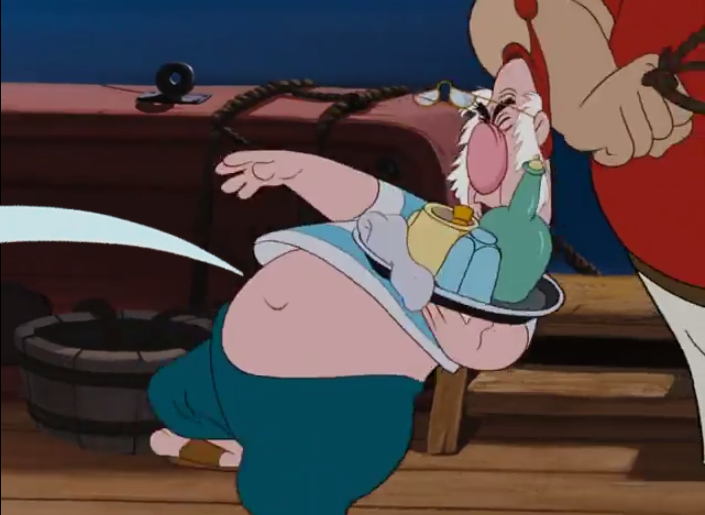
The World’s Worst Juggler (a puppet saga)

You may have heard me speak previously about the challenges of writing for puppets, which in their finest hour are little more than petulant little shits with diva complexes, who generally view a script as little more than a replacement for toilet paper.
In fact, the only real redeeming feature of most puppets is the ability to shove your arm up their bottoms, in some case, up to the elbow.
In any event, we managed to capture one of these little monsters on video recently, which I present below.
To see more of these fetid little creatures, please subscribe to the Lemon Productions Inc YouTube channel. (No, seriously, subscribe to this ruddy thing…I need the work.)
The Drive (a short story)
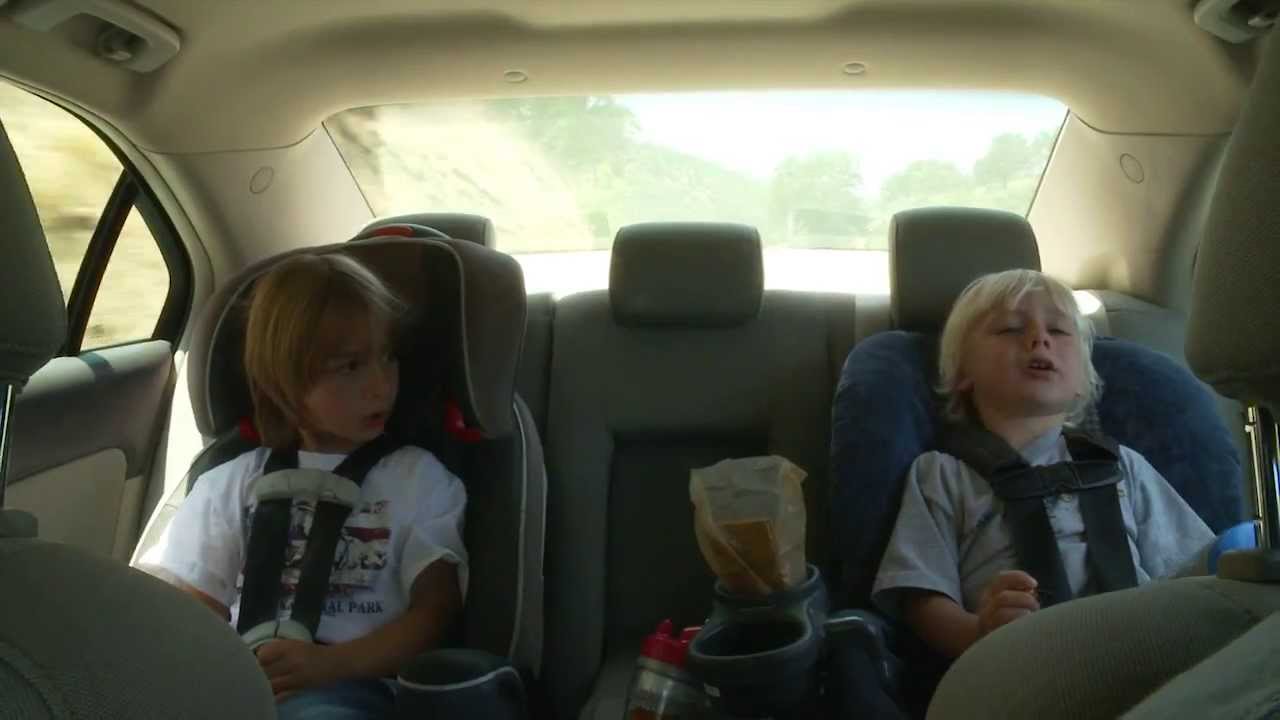
“Are we there, yet?”
The phrase that irritated me for the thousand times a week it bore into the back of my head now haunts me.
It had taken forever for me to convince the boys to leave their seat belts alone, to keep their hands from compressing the buttons that stood between confinement and filial battle. And more than once, I found myself wishing that rather than cross their laps, the belts crossed their mouths, stilling the staccato tarantella that skipped across my brain.
Silently, I would curse my husband for wanting children so close in age; built-in playmates, he would argue as though siblings were naturally adept at civility and sharing. Never marry someone who was an only child, I would remind myself; too many delusions of a happy peaceful family to dispel.
“Are we there, yet?”
The words and whine a cattle prod to my ear drums, my head involuntarily snapping to one side, threatening to glance off the door frame, the open window insufficient to drown the drone from the back seat.
“Are we—“
“Has the car stopped moving?” I’d shout at the rear-view mirror as though it was the source of my agony rather than simply a reflection of what I’d left behind.
For a second—a glorious second—the car would go silent, but the silence was an illusion, a prelude to crises yet to come. Inquisitive urges not quelled so much as turned aside, as unsatisfied attention-seeking demanded to be slaked.
“Mo-o-om!” came the high-pitched cry.
“I’m not doing anything,” its wounded echo, pre-emptorially defending actions yet unchallenged.
“Enough,” I charged, confronting the miniature offenders with turned head.
The light was green, or at least that’s what the report said, as though the colour protected me from my guilt any better than it protected my car from the panel van approaching from the left; as though an absence of fault even approximates an absence of self-loathing anguish.
The car was a write-off, and after six months of my husband’s words telling me it wasn’t my fault while his eyes told another story, so was my marriage.
And now, sitting here in my wheelchair, all I can think of is “Are we there, yet?”

In sights

Sad hooded eyes
Look me over,
Stare into me,
Searching my soul
For empathy,
A kindred spark,
Recognition
That we are one.
Lives held sacred,
Spirits unchained
Despite coiled wire.
Acknowledgement,
We’re each encaged,
Trapped by limits,
Captive of views
Held by others;
Defining us,
Confining us,
Refining us
To imagery;
A dull shadow
Of former selves,
Bleeding vibrance
To worlds of grey.
But hope remains,
The spark still burns;
Words unspoken
Continue tales
Yet unwritten.
Share my story
Of wilds now gone
That glow in eyes
Hooded and sad.

Floater
Terry’s biggest fear was pain. He had a particularly low threshold for it, and so the thought of his limbs bashing against the rocks had brought a clammy sweat to his palms.
Turns out, he was worried about nothing.
After the initial crunch of what used to be his left knee cap, the free rotation of his leg really didn’t hurt. Rather, it was more of a surreal distraction.
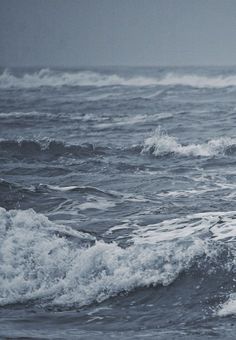
What actually bothered Terry was the unquenchable cold, as wave after wave of grey water sponged the heat from his flailing limbs.
Winter had come early to the Scarborough bluffs, and despite being well into April, showed no signs of releasing its crystalline grip on the world. More than one chunk of ice from the nearby shore added insult to stony injury as Terry rolled with the currents, thrown tantalizingly close to the pebbled beach only to be unceremoniously tugged back to the depths.

(Photo property of Gail Shotlander Photography)
To all outward appearance, Terry was as lifeless as the shredded plastic bags that clung to his limbs as their paths crossed. Even the gulls had stopped their surveillance, his constant mobility keeping them from determining his potential as food.
Terry didn’t thrash. Nor did he scream.
What his lost will to live couldn’t achieve, the water completed as his body involuntarily pulled muscle-activating blood from his extremities, its focus completely on preserving his heart and mind. Ironically, these were the two things that first failed Terry.
In the grey waters under a grey sky, tumbling mindlessly with wave and wind, Terry knew his death was just a matter of time.
And oddly, for the first time in his life, Terry had all the time in the world.
A touch of poetry
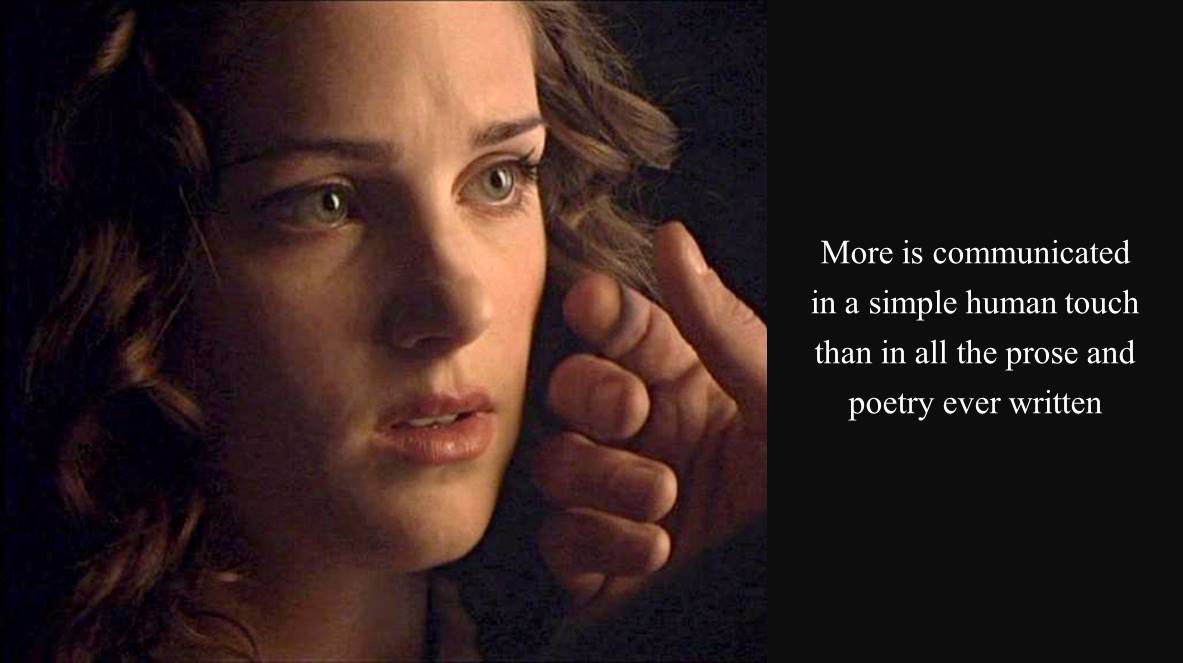
As a writer, the greatest challenge is catching the impact of a moment for which words are too clinical and precise.
On the days I succeed, I soar.
In other words
Word up!
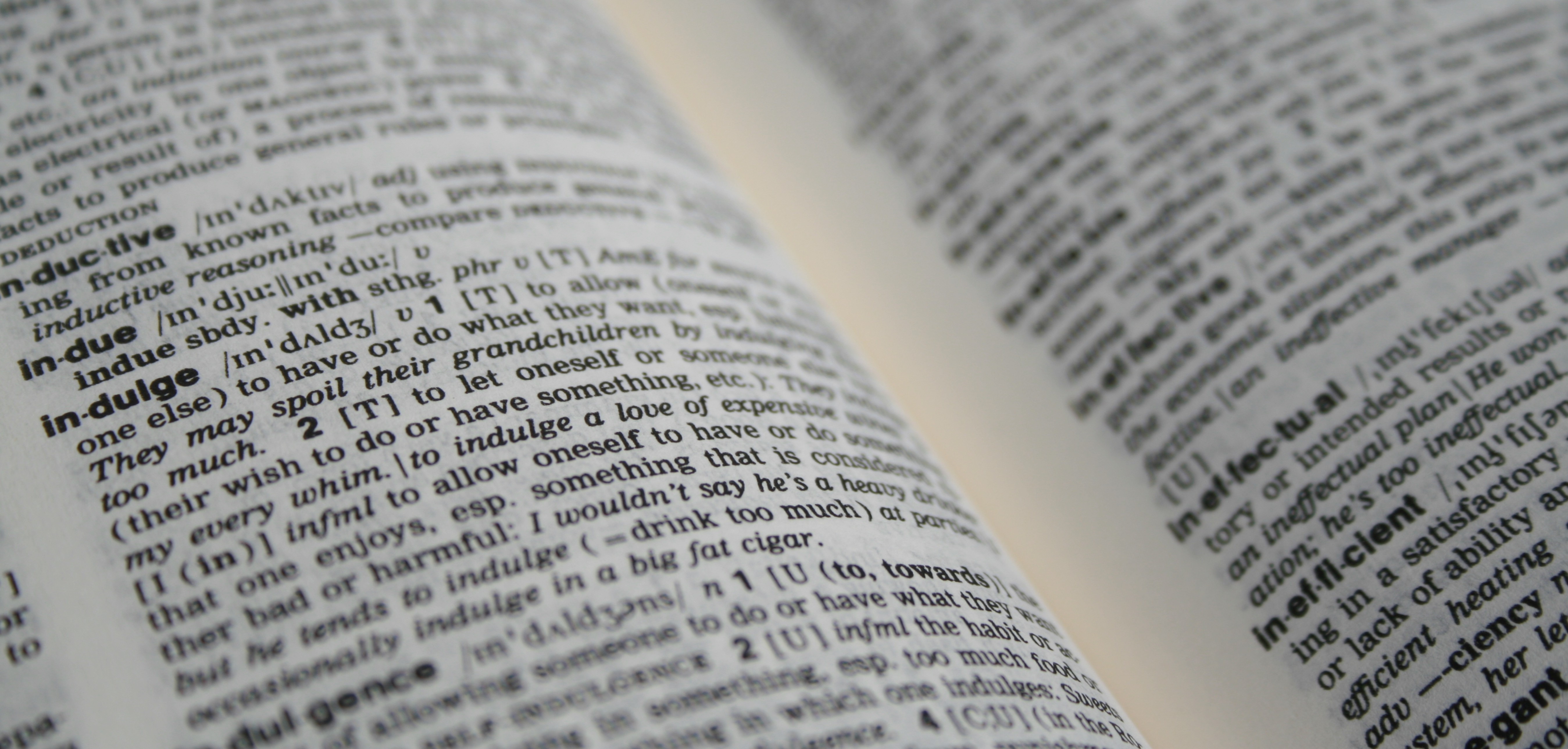
According to a Global Language Monitor survey from 2014, there are 1,025,109.8 words in the English language. (Not sure what the 0.8 word is.) And based on further research, this tally makes English anywhere from 5- to 10-times larger than most Western European languages.
Depending on who you ask or possibly where, a native English-speaking adult has a functional vocabulary of anywhere from 10,000 to 75,000 words. Thus, on a regular basis, we use about 1-10% of the words available to us.
Many of those words have similar if not identical meanings and can often be used interchangeably with slight variations in implied meaning or significance. Hell, a British clinician with a list-making fetish famously went out and tried to catalogue these word relationships, offering encyclopedic lists of alternates to the most commonly used English words.
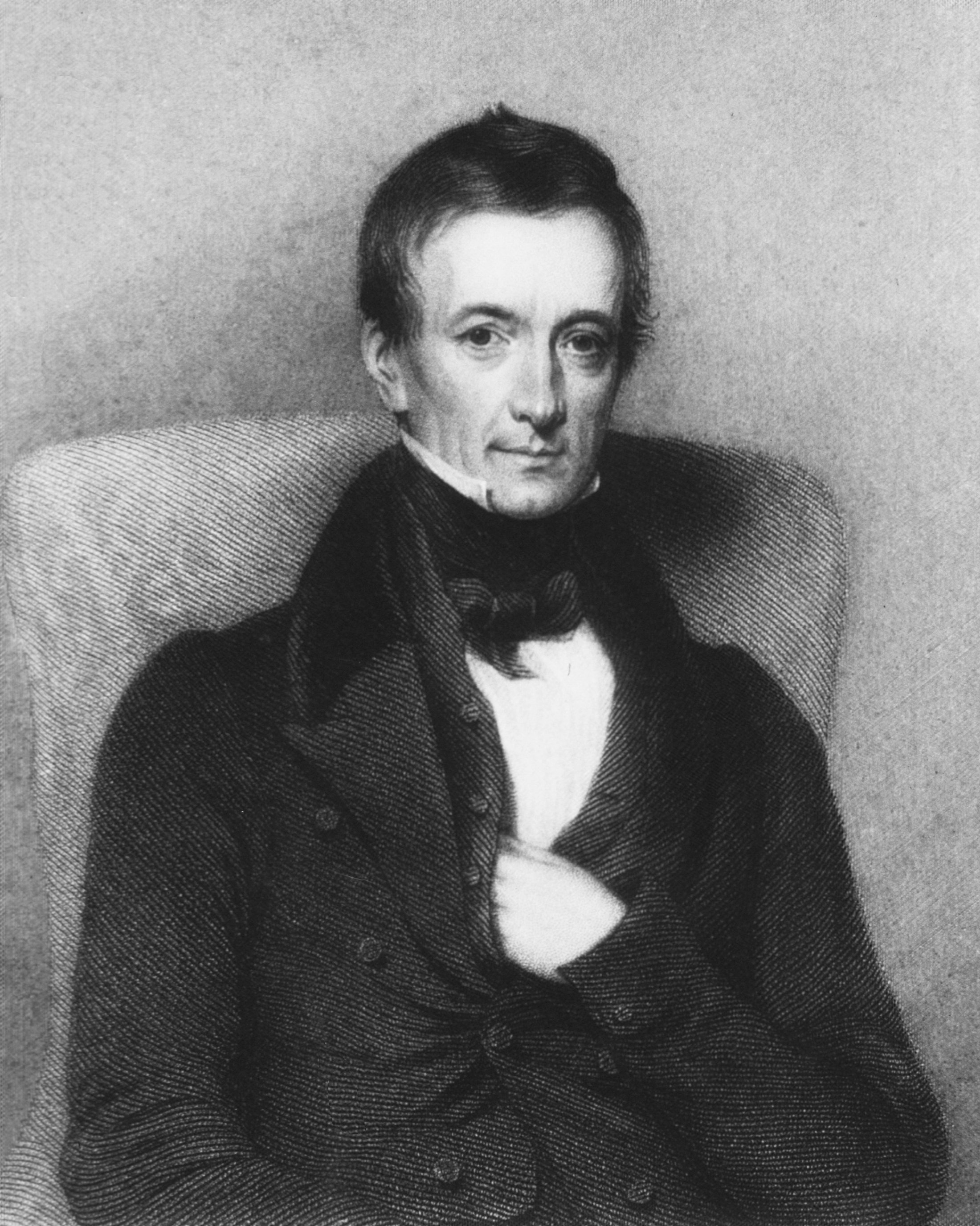
A man with a list (or maybe that’s just how he sits)
So, given this profusion of synonymic wonder, why am I seeing an increasing number of stories—novels, screenplays, etc.—that seem only capable of the low end of the vocabulary spectrum?
And I’m not even talking the big words here. I am talking the simple words we use every day and yet which hold little more meaning than their strictest definition. Words like “said”, “walk”, “enter”.
Now, I am not suggesting people necessarily have to write with a copy of Roget’s Thesaurus next to them, something of which I have been accused on occasion. But while exsanguinating your latest cerebral machinations into the fibrous folds of the human record—sorry, I digress—why not make the most of the words that are at your disposal?
For example:
Hearing a cry from the other room, Cecily walked through the door.
Now, Cecily may indeed have “walked” through the door, but that tells me absolutely nothing other than her transitional geographic location.
What was Cecily’s emotional state and how eager was she to discover the source of the cry?
There are so many other words—common words—in the English language that will tell us so much more about Cecily than the fact that she moved.
What about strutted, strode, skipped, crashed, bolted, dashed, raced, blasted, crept, snuck (sneaked?), sauntered, staggered, bounded, tripped, stumbled, inched, crawled, or fell?
Each of these words tells us so much more about Cecily’s relative state of confidence and sense of urgency, and any one of these in place of “walked” prevents the writer from having to later explain her emotions with a second sentence.
In some cases, people will append adverbs to offer greater insights into the emotional state of a character, but again, even this can often be avoided through use of more descriptive verb.
For example:
“You’re crazy,” Philip replied angrily.
Definitely better than just “Philip replied”. But what if Philip did more than reply? What if he screamed, shouted, barked, bellowed, screeched, roared, or cried?
Again, each word offers a slightly different take on Philip’s emotional state and gives us a sense of whether he is angry at his target or terrified by her.

All the kids are doing it
And what holds true for verbs, also holds for adjectives, and particularly as some of the simpler ones can be relative.
The precise height of a tall man varies significantly between someone who is 5 ft 2 versus someone who is 6 ft 1. And again, the adjective has an opportunity to add an emotional or psychological angle to the description.
Rather than “tall”, what about towering, mountainous, tree-like, statuesque, cloud-scraping, looming, or neck-straining?
Or instead of a specific age (unless the precise number is vital), what about world-weary, worn down, spry, vivacious, ancient, wizened, infantile or cadaverous?
Got your back, kid!
Again, I don’t think we need to discard the presocialized anthropoidal biped with the bath water, but particularly in our writing, I think we need to make better use of the wealth the English language affords us and open ourselves to more precise and effective word choices.
Together, we can strut the walk and hallelujah the talk.
Write to Life

In honour of World Poetry Day, the ISA challenged writers to describe their writing lives in a Tweet.
 createdbyrcw