Standoff (a short story)

The Inquisitor

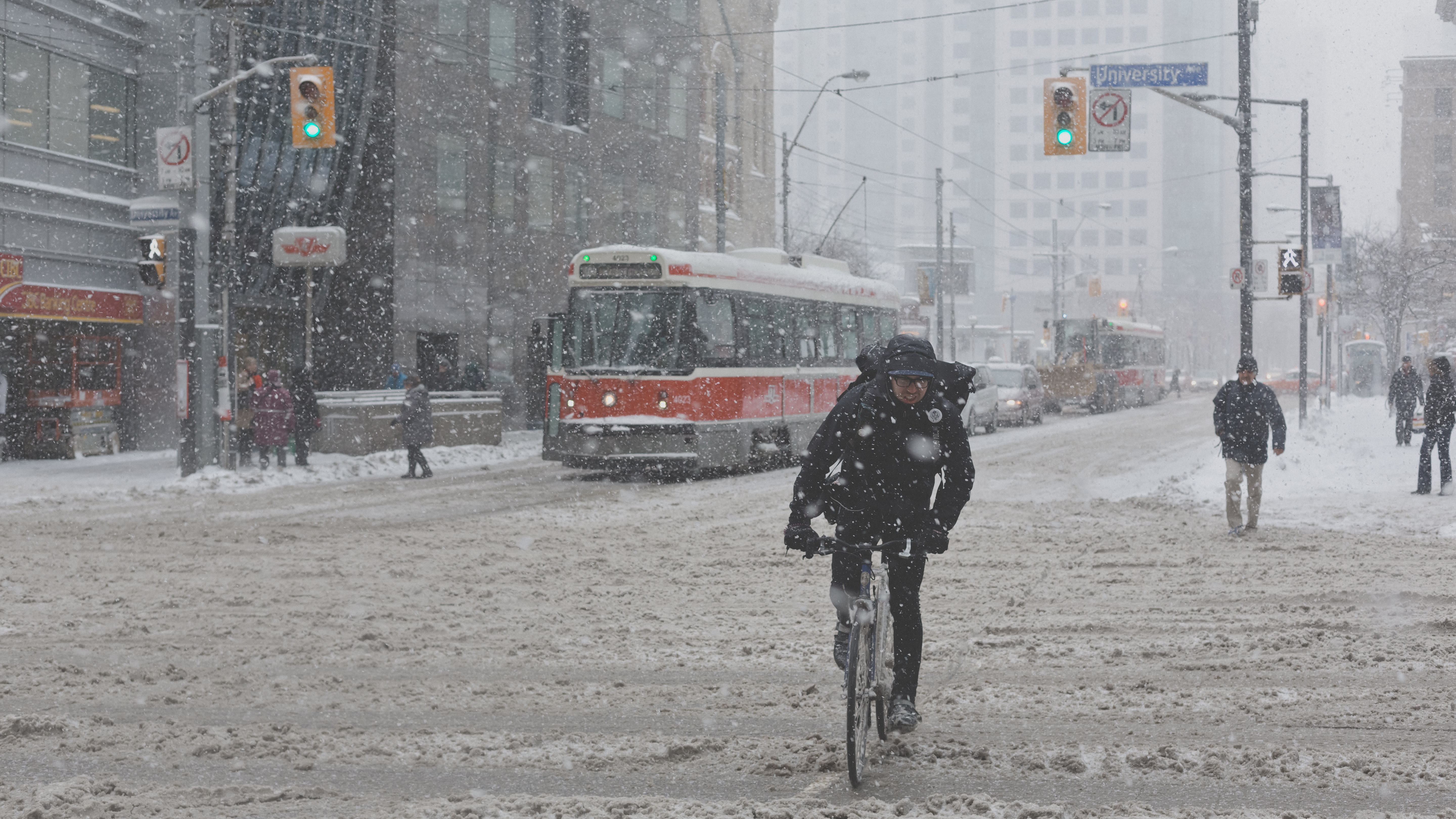
Too much a creature of urban comforts to ever be called a Nature lover, Henry nonetheless considered himself a Nature liker. And yet, as his eyeballs threatened to dry into powdery husks, he also recognized that Nature had a dark side. And today, that dark side came with bright red epaulets.

In an exchange that may only have been minutes, but felt like hours, Henry held the gaze of his ebon Inquisitor, afraid to look away lest the wraith take wing again, strafing him in violent indignation.

Moments earlier, Henry was taking a lovely stroll along the waterfront, leaving the breezes of the beach for the verdant comfort of the giant reeds and a secluded pond.

His soft-soled shoes barely whispered as he wound his way along the wooden deck that cut a swath across the still, algae-laden waters. Instead, his silent steps were accompanied by the cheerful chirrup of so many sparrows and the steady whine of cicadas complaining about the damp heat.
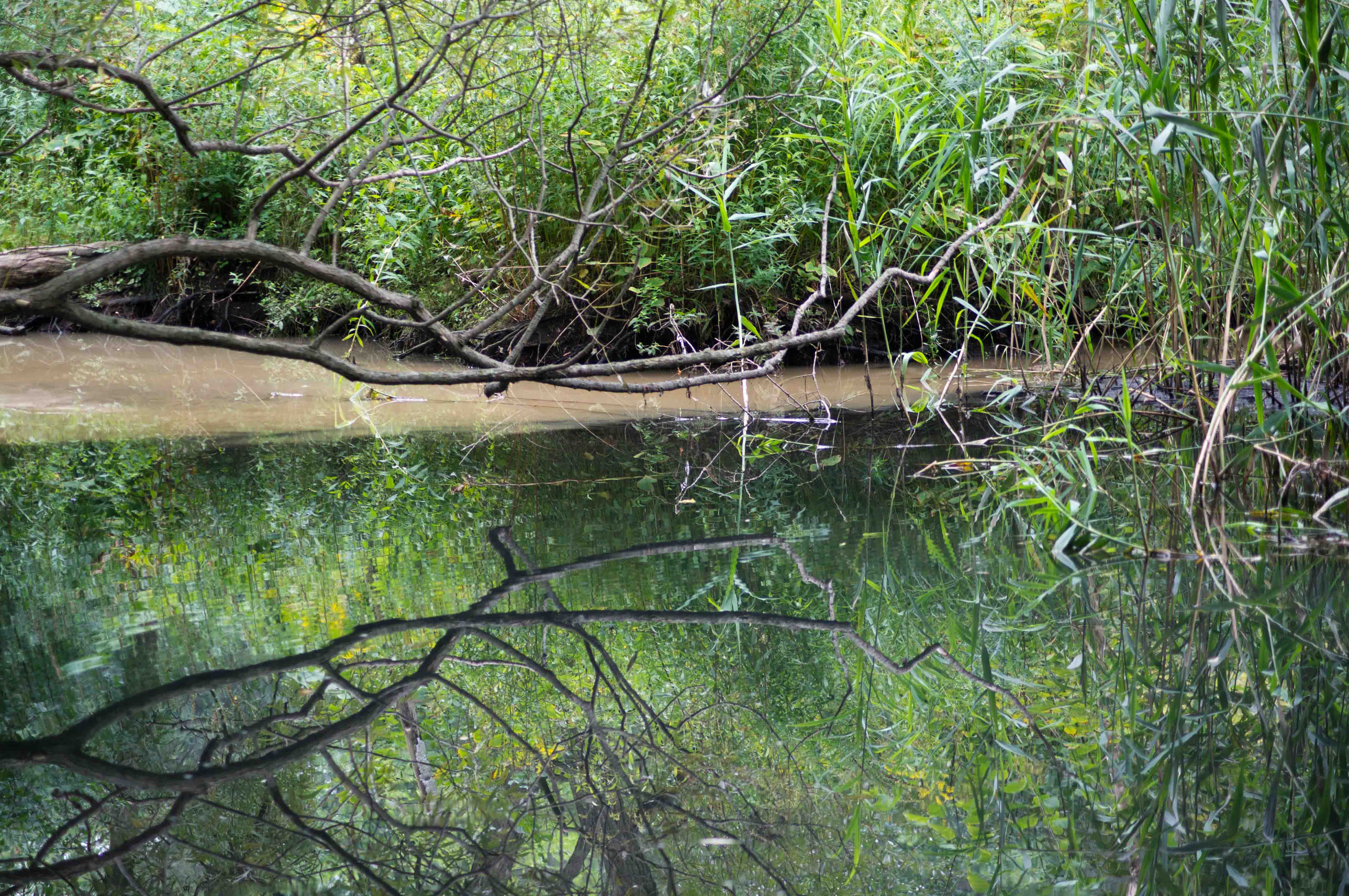
Merging waters

But as he reached the half-way point, he sensed a change even if he couldn’t yet identify it. The breeze died, the sparrows silenced and the cicadas stilled until all that remained was the low throb of his heart.

And as subtly as the stillness formed, it was macheted by an agonized screech that seemed to quite literally part Henry’s hair.

No sooner had Henry arced through his ducking motion than the demon struck again, piercing eardrum and scalp with equal vigour.

Terror’s impulse to flee was tempered by uncertainty’s steely grip as Henry found himself rooted in place. That something wanted to kill him, he was certain; but the complete absence of movement around him suggested it was all in his mind. His tingling scalp, however, said that whatever was happening was on his head, not in it.

Despite the glaring sunlight that baked the path, trickling tangy sweat into Henry’s fresh wounds, his pupils stretched to their anime widest, searching the chaotic tangle for the slightest signs of movement. He had no reason to believe his tormentor had given up, but all he saw was blue sky, brown tree limbs, green reeds and black water.

Yes, these had all taken on an ominous mantel, but nothing looked capable of launching an attack.

Even as Henry contemplated giving up his search, though, the air was pierced once more with an irritated cry. It was everything he had in him not to turtle.

And that’s when he saw it, the beast with the black eyes of death concealed behind a shroud of serrated alder leaves.
Hunkered down

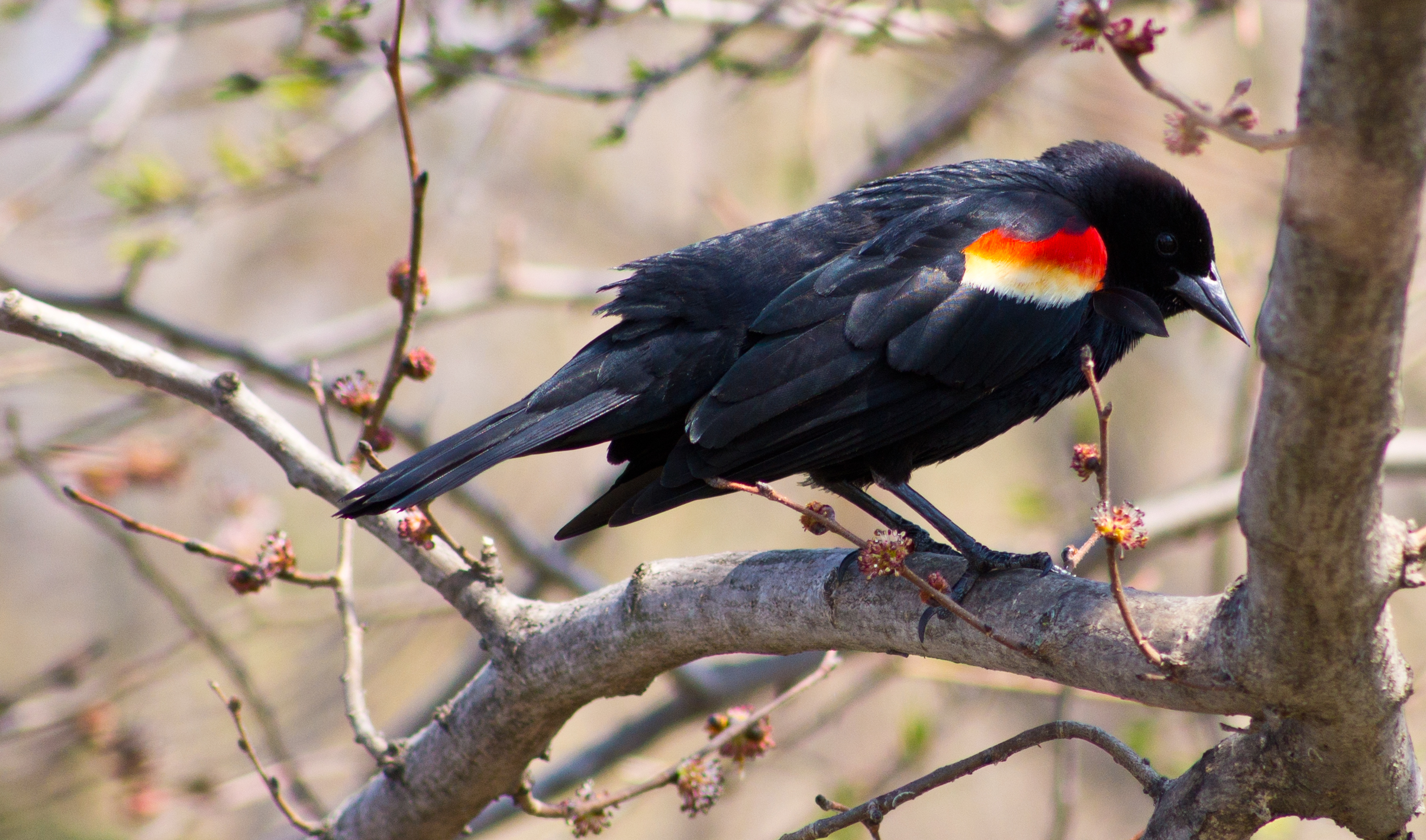
The expressionless face bobbed lower and turned slightly to its left, determined to take in its quarry. Its oil-drop eye blended almost seamlessly with the void its plumage left in the sky, a puncture of midnight in the midday light. The only break in the evil blackness was a splash of blood red atop its shoulder.

“A bird?” Henry questioned silently, a blush threatening to overwhelm his budding sunburn.

Sloughing his tension like a skin, Henry rolled his shoulders to massage them. That was all the demon needed.

With blinding speed, the creature was upon him again. The flapping wings were matched by flailing arms as Henry swung at his attacker to no avail, his body instinctively twisting as the assailant passed.

It didn’t take Henry nearly as long to find the bird now, the monster standing proudly on an exposed limb, cackling his disdain upon his hapless victim.

“What is your problem?” Henry cried to the skies, briefly silencing the bird, which cocked its head a little further as though contemplating the question.

Henry unconsciously mirrored the action when it squawked back.

Annoyed, Henry turned to walk away but his motion was stopped by a shrill pierce. Spreading its wings, the bird quadrupled in size, a Rorschach nightmare.

As Henry relaxed his muscles, the bird drew in its wings. The stare down began.

Redwing on a reed

Unblinking, Henry met the bird’s gaze with his own, his every emotion reflected in that dead pool of emptiness, that glistening eye. A psychic vacuum, the bird seemed to reach into Henry’s body, threatening to engulf his soul.

Mired in a personal La Brea, Henry could feel his will slowly sink into the sulfurous malevolence. Only ego and will kept him from bowing to the inevitable.

“Look, momma,” a child’s voice squeaked through the tension. “Issa red-wing bla’ bird.”

Out of the corner of his eye, which otherwise remained glued to the bird, Henry could see a small boy trundle down the path, pointing wildly with one hand while waving a camera with the other.

More importantly, Henry saw that the bird caught the arrival as well.

Glimpse

Synchronized swimmers of the air, man and bird vaulted for the boy, whose mother remained several yards away, blissfully unaware of the horrors awaiting her budding family.

Every wing beat was matched with a stride, every fluttered feather with airfoiled arm hair. And Henry knew his job was twice as difficult as the bird’s.

Not only did he have to stop the bird from harming the child, but he had to do it without knocking the kid into next Tuesday himself. But one thing at a time.

It is said that when the conditions are just right, you can stop the flight of one bullet with a perfectly timed second bullet.

Henry didn’t know if that was true. Nor did he really have the time to contemplate what conditions such a thing might require.

Pond

All Henry could tell you for certain was that once airborne, a red-winged blackbird is a thousand times more agile than a middle-aged man. That, and it takes about eight days to get the stench of stagnant pond water out of your nostrils.

He has no idea what happened to the kid.

Tuesday troubles

Passengers crowd the Brown Line train in the Loop at evening rush hour, Wednesday, July 16, 2008. The CTA plans to eliminate seats in some train cars to alleviate crowding. (Chicago Tribune photo by Alex Garcia) ..OUTSIDE TRIBUNE CO.- NO MAGS,  NO SALES, NO INTERNET, NO TV, CHICAGO OUT.. 00296065A TrainSeats

Edward didn’t expect much from his day as he rode the subway into work.

It was Tuesday. And as any actuary will tell you, Tuesdays are the least eventful work day in any given week. Edward would know. He too was an actuary.

Now, don’t get me wrong. Edward was not dissatisfied with Tuesdays, or any day of the week for that matter. He just didn’t expect much from it, and definitely less than from say a Monday or a Thursday.

Unbeknownst to Edward, however, today was unlike a typical Tuesday. Today, in fact, was a Tuesday that actuaries dread. The outlier. The anomaly. Today was the Tuesday that lurks in the dark crevices of an actuary’s heart.

Jessica hadn’t expected to leave the house so late this morning. But with Maria’s daycare shut down and Todd’s absence at a business conference, nothing was moving particularly smoothly for the young lawyer and suburban mother.

Vomiting herself from the commuter train as the doors inched open, Jessica practically crowd-surfed to get across the chaotic platform and into the stairwell to the subway system. Today was the Witkenstein proposal and although she herself was not presenting it, the command had been all-hands-on-deck in a show of force. Rare is the law firm that doesn’t like to demonstrate its cannon-fodder for clients.

Catching the smallest of slivers through the human maelstrom on the subway platform—her rail-thin form finally offering her some advantage in life—Jessica slid to the rail-side edge just as the string of cars came to a halt. Unfortunately, that same eel-like body structure meant that she was no match for the human surge that blew her through the subway doors and wedged her against a man of middling height, middling complexion and middling posture.

With a middling acknowledgement of her existence, Edward shifted his elbow slightly so that Jessica could grab the same pole to which he clutched for support in the shifting ebb and flow of transit.

Now, if pressed, Jessica would swear an oath that the box in which her travel mug arrived the previous Christmas promised that it was designed with the latest in anti-spill technology. She had even tested it at home several times, marveling at the results.

But as any actuary will tell you, the chances of a scalding burn from the spilling of hot beverages rises 342% when that beverage is being consumed on mass transit. Edward would know. He too was an actuary.

Now, whether the next event fulfilled that statistic or the numbers were slightly off, the simple reality was that the precise moment the subway took a turn in the tunnel was the same moment that Jessica had tried to reposition herself to lessen the strain on her crooked elbow.

This moment was followed shortly thereafter by another moment in which the incorrectly positioned lid of her travel mug became even more incorrectly positioned and her coffee evacuated itself onto Edward’s shirt.

mug stain

Jessica was horrified as she helplessly watched the taupe liquid spread across the stranger’s chest and cascade as a beige waterfall into his trousers.

As surprised as Edward was by the turn of events, a small part of his brain was also relieved that Jessica liked to use non-dairy creamer, which slightly helped to temper the scalding liquid.

“Bloody hell,” Edward bellowed, his pain sensors over-riding his public decorum filters.

“Oh my god, I am so sorry,” Jessica cried as she struggled through her bag to find that pocket Kleenex pack she had purchased just the day before.

As Edward fought to literally calm his nerves, Jessica did what she could to blot his formerly white shirt, unaware of her increased range of motion as a halo of space had formed around the two of them, everyone retreating from the mess.

“Are you okay?” she asked, genuinely concerned that he might need medical treatment.

Edward was too engrossed in the sensation of slightly sticky dampness that was now encasing his genitalia to answer right away.

Coming back to the moment and realizing that skin grafts were unnecessary, Edward simply raised a placating hand.

“No worries,” he offered with a smile. “Accidents happen.”

Edward would know. He was an actuary.

Jessica did her best to return his smile, but her embarrassment was still too great for her to be comfortable. She had little time to worry, however, as the subway pulled into her stop.

“Here’s my card,” she blurted, pressing her card and the remaining Kleenex into his hand. “Please send me your dry cleaning bill.”

Before Edward could tell her that her offer was kind but unnecessary, Jessica slipped out of the car with the crowd. His thoughts then shifted to making a quick stop at the department store between his subway stop and the office.

Jessica would have had a funny if embarrassing story to share with her husband later that night had the first of the meteors striking off Japan’s coast not started the cataclysm.

Regardless, the nuclear winter that started later that day taught Edward a valuable lesson.

Actuarial science gets it wrong some times. Tuesdays can be eventful.

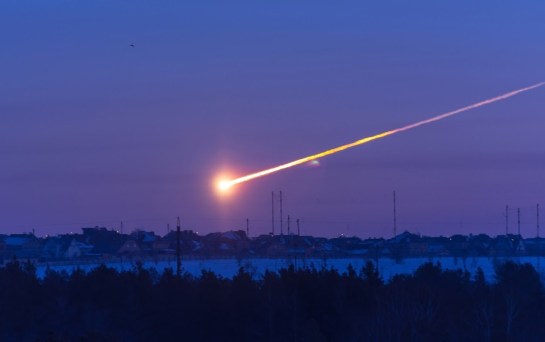
meteor

Writing is its own success

(I’m going to post this here, now, so that when I do make it big financially, I can prove I really did believe this while I was still poor.)

A writer writes

A writer writes

If you don’t love writing for the sake of writing, get out. For the sake of your own sanity, do something else.

I would like to make a career of my screenwriting and novel writing, but if I don’t, I will still do it and be glad that I do.

The truth is that the majority of us (like 99.9997%) will never make it big as writers…not Terry Rossio big, doubtfully Damon Lindelof big, nor Nora Ephron big. Hell, I’m not even sure the simple majority (50%+) will even make a livable wage as writers.

But as much as I want to hit it big and spread the gospel of my genius (he says only half-facetiously), I write because I love writing and I don’t know how to not write.

I can do other things to keep food in the house and a roof over my head, but I don’t want to if I don’t have to. It all interferes with my time for writing.

Perhaps this passive approach to accomplishing something with my writing will keep me from making it big. But I prefer to think that by focusing on the joy of writing, the excitement of expressing my thoughts and feelings, I will be happy throughout the entire process, from now to wherever and whenever I end up.

If nothing else, this attitude means that everything that comes down the road is a known positive rather than a potential disappointment.

Good luck, everyone.

Bonus!

Bonus!

Peter Pan arrested for murder

Prison pan

NEVERLAND – News is filtering in that famed fly-boy Peter Pan has been arrested by the Neverland Police Department. While details are sketchy, inside sources say the green-tightsed man-child was charged with the stabbing death of Captain Hook’s right-hand man.

This is the second such set of charges laid on the former leader of the Lost Boys, who was questioned in the death of maniacal monodexter Captain James Hook. When the local District Attorney was attacked by a dust mote and unexpectedly turned into a sea slug, the original charge of manslaughter was dropped.

Sources suggest the sword-wielding pixie possessor was distraught over rumours that his life-long girlfriend Wendy Darling was seeing another man. Upon confronting her with his suspicions, she reportedly denied the allegations but did admit she was interested in terminating their relationship.

Still emotionally connected, however, she tried to let her green-eyed felt-clad paramour down gently, suggesting her desire was in no way related to his prior behaviour.

While we cannot yet confirm the content of their conversation, we believe the confusion began shortly after she started to explain herself with:

“Oh, Peter, it’s not you.”

(think about it for a second)

(still not getting it?)

(oh, all right then)

“It’s me.”

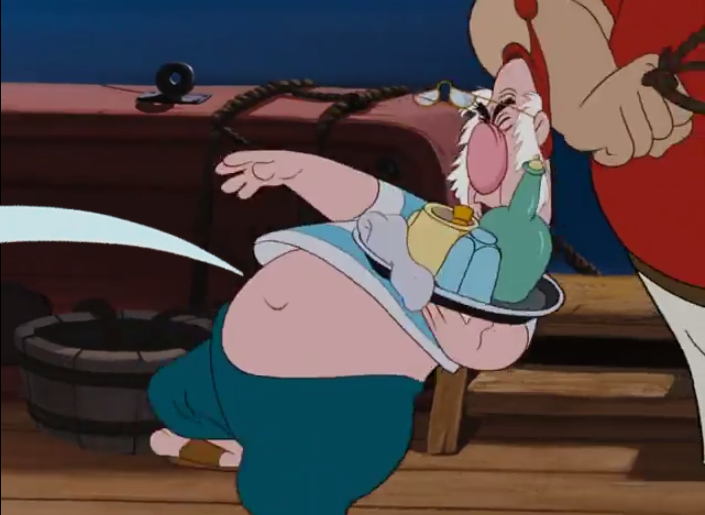
smee sword

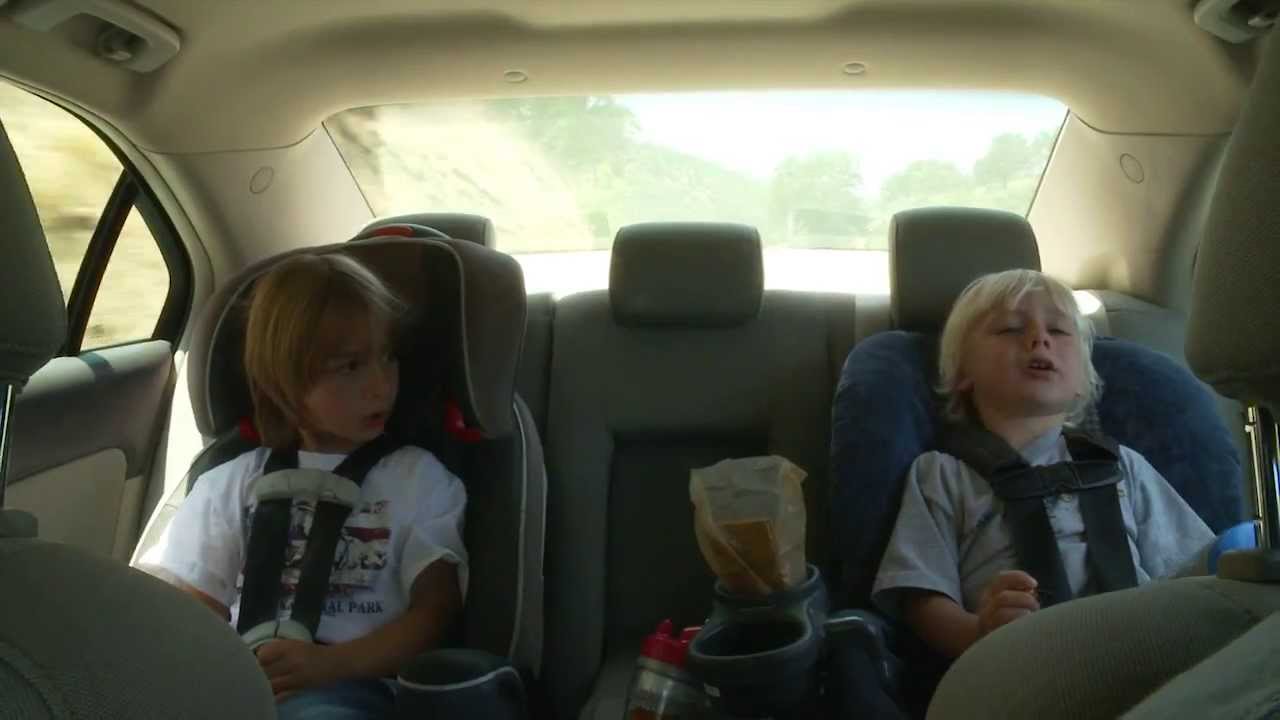
The Drive (a short story)

grouchy

“Are we there, yet?”

The phrase that irritated me for the thousand times a week it bore into the back of my head now haunts me.

It had taken forever for me to convince the boys to leave their seat belts alone, to keep their hands from compressing the buttons that stood between confinement and filial battle. And more than once, I found myself wishing that rather than cross their laps, the belts crossed their mouths, stilling the staccato tarantella that skipped across my brain.

Silently, I would curse my husband for wanting children so close in age; built-in playmates, he would argue as though siblings were naturally adept at civility and sharing. Never marry someone who was an only child, I would remind myself; too many delusions of a happy peaceful family to dispel.

“Are we there, yet?”

The words and whine a cattle prod to my ear drums, my head involuntarily snapping to one side, threatening to glance off the door frame, the open window insufficient to drown the drone from the back seat.

“Are we—“

“Has the car stopped moving?” I’d shout at the rear-view mirror as though it was the source of my agony rather than simply a reflection of what I’d left behind.

For a second—a glorious second—the car would go silent, but the silence was an illusion, a prelude to crises yet to come. Inquisitive urges not quelled so much as turned aside, as unsatisfied attention-seeking demanded to be slaked.

“Mo-o-om!” came the high-pitched cry.

“I’m not doing anything,” its wounded echo, pre-emptorially defending actions yet unchallenged.

“Enough,” I charged, confronting the miniature offenders with turned head.

The light was green, or at least that’s what the report said, as though the colour protected me from my guilt any better than it protected my car from the panel van approaching from the left; as though an absence of fault even approximates an absence of self-loathing anguish.

The car was a write-off, and after six months of my husband’s words telling me it wasn’t my fault while his eyes told another story, so was my marriage.

And now, sitting here in my wheelchair, all I can think of is “Are we there, yet?”

woman-in-wheelchair

Floater

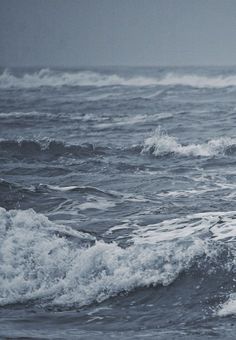
grey waves

Terry’s biggest fear was pain. He had a particularly low threshold for it, and so the thought of his limbs bashing against the rocks had brought a clammy sweat to his palms.

Turns out, he was worried about nothing.

After the initial crunch of what used to be his left knee cap, the free rotation of his leg really didn’t hurt. Rather, it was more of a surreal distraction.

What actually bothered Terry was the unquenchable cold, as wave after wave of grey water sponged the heat from his flailing limbs.

Winter had come early to the Scarborough bluffs, and despite being well into April, showed no signs of releasing its crystalline grip on the world. More than one chunk of ice from the nearby shore added insult to stony injury as Terry rolled with the currents, thrown tantalizingly close to the pebbled beach only to be unceremoniously tugged back to the depths.

(Photo property of Gail Shotlander Photography)

(Photo property of Gail Shotlander Photography)

To all outward appearance, Terry was as lifeless as the shredded plastic bags that clung to his limbs as their paths crossed. Even the gulls had stopped their surveillance, his constant mobility keeping them from determining his potential as food.

Terry didn’t thrash. Nor did he scream.

What his lost will to live couldn’t achieve, the water completed as his body involuntarily pulled muscle-activating blood from his extremities, its focus completely on preserving his heart and mind. Ironically, these were the two things that first failed Terry.

In the grey waters under a grey sky, tumbling mindlessly with wave and wind, Terry knew his death was just a matter of time.

And oddly, for the first time in his life, Terry had all the time in the world.

In other words

Word up!

Word up!

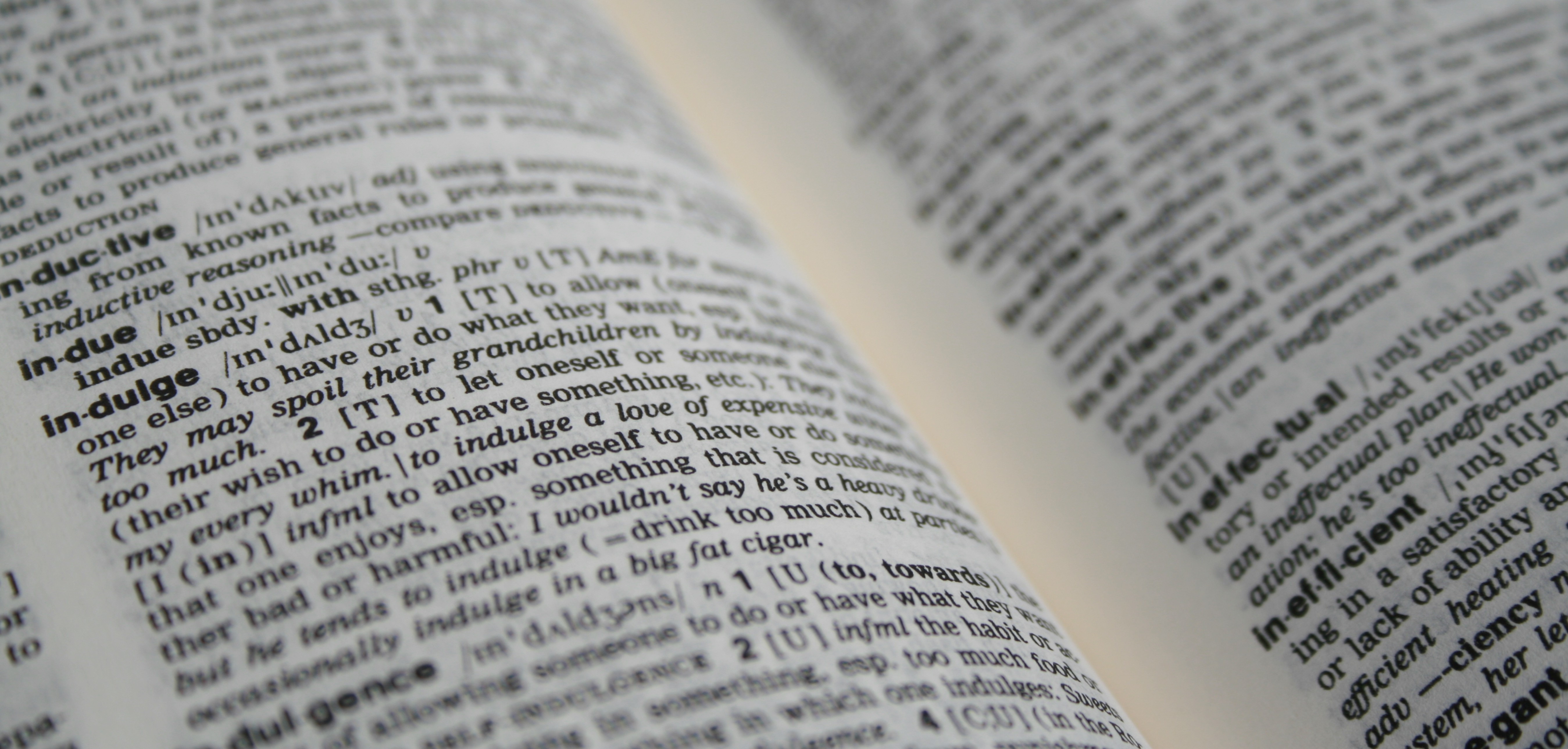
According to a Global Language Monitor survey from 2014, there are 1,025,109.8 words in the English language. (Not sure what the 0.8 word is.) And based on further research, this tally makes English anywhere from 5- to 10-times larger than most Western European languages.

Depending on who you ask or possibly where, a native English-speaking adult has a functional vocabulary of anywhere from 10,000 to 75,000 words. Thus, on a regular basis, we use about 1-10% of the words available to us.

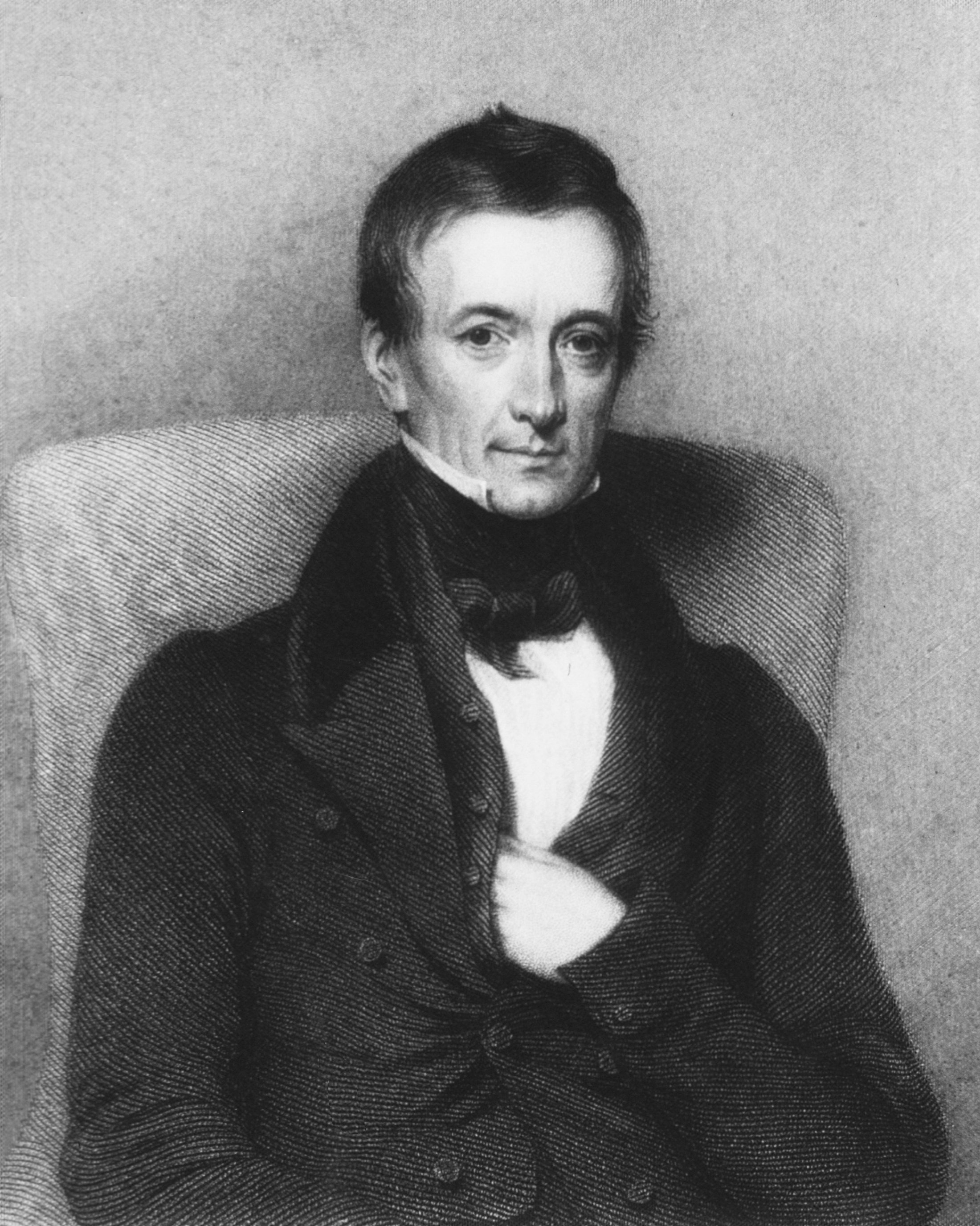
Many of those words have similar if not identical meanings and can often be used interchangeably with slight variations in implied meaning or significance. Hell, a British clinician with a list-making fetish famously went out and tried to catalogue these word relationships, offering encyclopedic lists of alternates to the most commonly used English words.

A man with a list (or maybe that's just how he sits)

A man with a list (or maybe that’s just how he sits)

So, given this profusion of synonymic wonder, why am I seeing an increasing number of stories—novels, screenplays, etc.—that seem only capable of the low end of the vocabulary spectrum?

And I’m not even talking the big words here. I am talking the simple words we use every day and yet which hold little more meaning than their strictest definition. Words like “said”, “walk”, “enter”.

Now, I am not suggesting people necessarily have to write with a copy of Roget’s Thesaurus next to them, something of which I have been accused on occasion. But while exsanguinating your latest cerebral machinations into the fibrous folds of the human record—sorry, I digress—why not make the most of the words that are at your disposal?

For example:

Hearing a cry from the other room, Cecily walked through the door.

Now, Cecily may indeed have “walked” through the door, but that tells me absolutely nothing other than her transitional geographic location.

What was Cecily’s emotional state and how eager was she to discover the source of the cry?

There are so many other words—common words—in the English language that will tell us so much more about Cecily than the fact that she moved.

What about strutted, strode, skipped, crashed, bolted, dashed, raced, blasted, crept, snuck (sneaked?), sauntered, staggered, bounded, tripped, stumbled, inched, crawled, or fell?

Each of these words tells us so much more about Cecily’s relative state of confidence and sense of urgency, and any one of these in place of “walked” prevents the writer from having to later explain her emotions with a second sentence.

In some cases, people will append adverbs to offer greater insights into the emotional state of a character, but again, even this can often be avoided through use of more descriptive verb.

For example:

“You’re crazy,” Philip replied angrily.

Definitely better than just “Philip replied”. But what if Philip did more than reply? What if he screamed, shouted, barked, bellowed, screeched, roared, or cried?

Again, each word offers a slightly different take on Philip’s emotional state and gives us a sense of whether he is angry at his target or terrified by her.

All the kids are doing it

All the kids are doing it

And what holds true for verbs, also holds for adjectives, and particularly as some of the simpler ones can be relative.

The precise height of a tall man varies significantly between someone who is 5 ft 2 versus someone who is 6 ft 1. And again, the adjective has an opportunity to add an emotional or psychological angle to the description.

Rather than “tall”, what about towering, mountainous, tree-like, statuesque, cloud-scraping, looming, or neck-straining?

Or instead of a specific age (unless the precise number is vital), what about world-weary, worn down, spry, vivacious, ancient, wizened, infantile or cadaverous?

Got your back, kid!

Got your back, kid!

Again, I don’t think we need to discard the presocialized anthropoidal biped with the bath water, but particularly in our writing, I think we need to make better use of the wealth the English language affords us and open ourselves to more precise and effective word choices.

Together, we can strut the walk and hallelujah the talk.

Snow drifting

(Image property of Duncan Rawlinson; http://duncan.co/tag/snowing/)

(Image property of Duncan Rawlinson; http://duncan.co/tag/snowing/)

From thousands of feet, the snowflake made its way from its misty nursery to a gentle caress of Henry’s cheek, slowly melting where ice meets the dampened skin to puddle with its fallen brethren.

Henry faces the sky, his back firmly planted in the snow bank, the drift slowly cocooning him as the crystalline waters descend, tears of boreal gods.

Flakes weave with the hairs of his beard, completing the whitening that age has yet left undone, his thinning scalp protected by the few remaining threads of a toque too old to be merely ancient.

Pedestrians trundle by, eyes held askew, muttering their disapproval as they bow their heads against the wind and cold. But he remains oblivious to their stares and sneers, in a world of his own, one with the thickening storm that swaddles him.

Henry doesn’t feel the cold they feel. He doesn’t feel the wind they fight. Nor does he feel the latex-gloved hands that lift him to the gurney as an unusually cold winter claims another life.

Sights unseen (a short story)

Invisible_1

The waitress strode by Jerome for the third time in less than 20 minutes, giving him nary a glance as she shifted another tray of plates and a pot of decaf coffee. Jerome watched her swoosh by, hoping to make eye contact but without any luck. It’s not even like the restaurant was busy.

But then, this is the way it was for Jerome, who was still getting used to being invisible.

Being invisible didn’t come naturally to Jerome. In fact, it was fair to say that he was struggling with the idea. There was a disconnect, you see, between how he saw the world and how the world saw him.

When he looked at his hands, he saw five fingers on each. His feet both had five toes. He had legs and arms, hips and shoulders, pretty much everything that every other person on the planet had. And yet, when other people looked at him…

Well, there it was.

Nobody ever looked at him. They didn’t know he was there. He was invisible.

Although the revelation had only come to him recently—partly the reason he had yet to wrap his head around the idea—it did begin to explain a lot of things.

Why people bumped into him on the Metro. Why teachers never called on him in school. Why his parents always ignored his questions. Why women never returned his smiles.

All of these things bothered him, even made him angry. Now, at least, he understood that it wasn’t personal. They simply didn’t know he was there.

Unconsciously, he raised his arm as the waitress blew past him before disappearing into the kitchen.

Personal or not, being unseeable could be irritating.

Jerome had wondered briefly if he wasn’t perhaps dead, a ghost wandering the streets. He’d seen a movie once about a guy who only ever spoke to a young boy and slowly realized that…

Outside the window at Jerome’s left elbow, a young woman appeared to be having a stroke. Well, in truth, she was staring right at him while applying lipstick, but her mouth movements were so exaggerated that he wouldn’t be surprised to learn her left side was completely frozen and her speech was slurred.

He pressed his nose to the glass. But for the glass, she could easily apply lipstick to his mouth, one way or another. But no.

He had dismissed the idea of death because the guy in the movie had a wife and a medical practice, neither of which he had. And besides, he didn’t know any young children, boys or girls.

“I’m not saying I want a relationship,” the woman at the next table said to her male companion. “But I don’t think we can ignore the fact that we slept together after the party.”

Jerome shook his head. You heard a lot of stories like this when you were invisible. People simply had no sense of privacy.

“And we had a great time,” the guy responded, gingerly placing his hand on hers, his body tensed to flee at the first sign of reciprocation. “But the fact that we work together complicates things.”

No matter how closely Jerome sat to the next table, no matter how obviously he ping-ponged between the speakers, the conversation never became more hushed. He heard every morbid detail, and no one seemed to care.

His attention to the burgeoning telenovela was distracted, however, by a furtive motion at another table. Several feet away, an old man in torn trousers and stained t-shirt palmed a tip left on an adjacent table.

That’s not kosher at any time, Jerome thought, but especially not a couple of weeks before Christmas.

Jerome wanted to say something but then the man used the funds to pay for his own coffee before snatching a ratty knapsack from the floor.

Was he homeless?

The waitress scooped the coins as she vaulted past Jerome with someone’s bill.

Grabbing his unopened book from the corner of the table, Jerome rose from his seat and fished through his pockets.

I don’t know why I even come here, he thought. Still, it didn’t seem right that the waitress should lose out simply so a homeless guy could keep warm.

From the far side of the restaurant, Tula watched Jerome drop a few coins on the table where the old man had stolen the tip. She smiled as she bookmarked the page she was reading, the melodrama at the next table making it too hard to concentrate.

She would have liked to have complimented the man on his beautiful gesture, but there wasn’t much point in even trying.

Tula, you see, had recently determined that she was invisible.